Industrial olive oil production museum in Lesvos
About
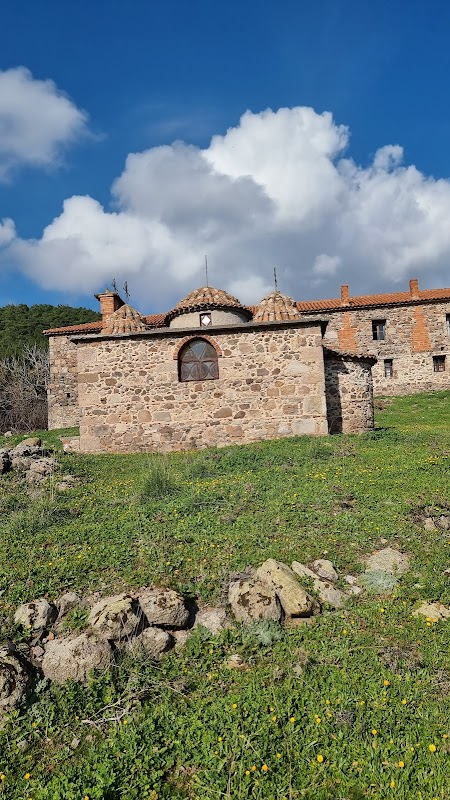
Nestled in the village of Agia Paraskevi in the heart of Lesvos, the Museum of Industrial Olive Oil Production occupies a magnificently restored nineteenth-century olive press complex that once stood among the most productive industrial facilities in the eastern Aegean. Lesvos has long been defined by its olive groves — the island is home to millions of trees, many of them centuries old, and olive oil has shaped the economy, diet, and culture of its people for generations. The museum, part of the Piraeus Bank Group Cultural Foundation network of industrial museums, preserves this heritage within the very buildings where it unfolded, giving visitors a rare chance to step inside a working chapter of the island's past.
The collection traces the full arc of olive oil production, from the harvesting of the fruit to the pressing, separation, and storage of the oil. Enormous millstones, hydraulic presses, boilers, and storage vats have been carefully restored and remain in place, conveying the industrial scale at which this rural product was once processed. Interpretive displays explain both the mechanics of production and the social world that surrounded it — the seasonal rhythms of agricultural life, the role of the mills in the local economy, and the labor of the families and workers who kept the presses running through the long autumn harvest months.
Beyond its machinery, the museum offers a quietly moving portrait of how a landscape shaped a people. The stone buildings, with their thick walls and high timber roofs, carry an atmosphere that no amount of reconstruction could manufacture. Visiting in the morning light, when the courtyard is still and the surrounding groves are visible on the hillsides, one feels the continuity between past and present that makes Lesvos so distinctive among Greek islands. The museum is a fitting place to begin understanding why olive oil here is not simply a product but a way of life.
Before you go
What to expect
The press hall hits you with scale before anything else — the millstones stand taller than a person and the hydraulic presses stretch the full length of the room. Interpretive panels walk you through the autumn harvest cycle that once employed whole villages, and the stone-floored courtyard opens onto the grove-covered hillsides that fed the whole operation. It is one of those places where the original machinery, still in situ, does more storytelling than any replica could.
Best time to visit
April through October is comfortable for a visit; coming in autumn (October–November) coincides with the active olive harvest on the island, which gives the exhibits an extra layer of immediacy.
How to get there
Agia Paraskevi is roughly 40–45 minutes by car from Mytilene, heading north through Kalloni. The village is signposted from the main north–south road.
Details
Categories
Photos
Make a day of it
Places worth combining with your visit