About
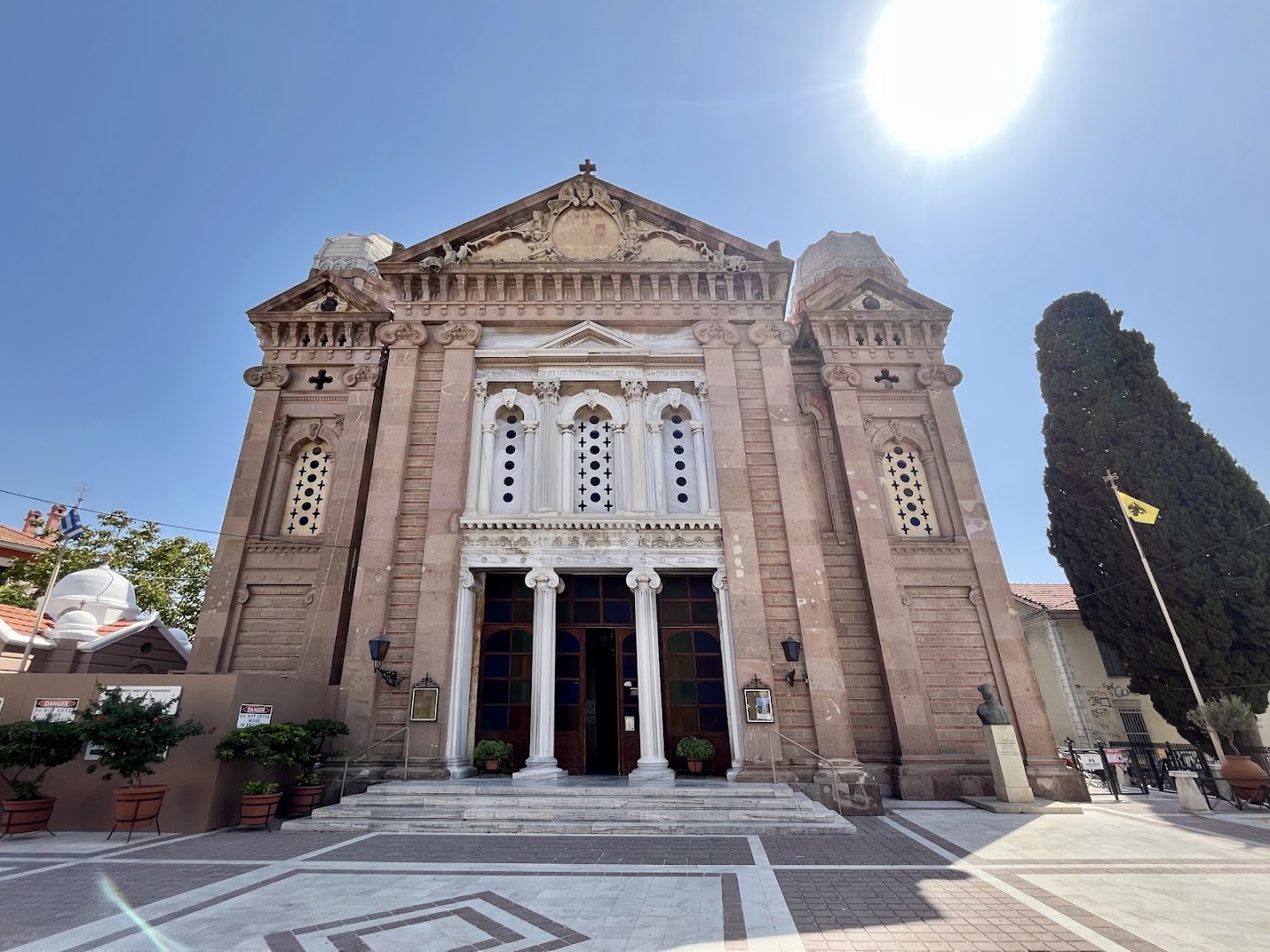
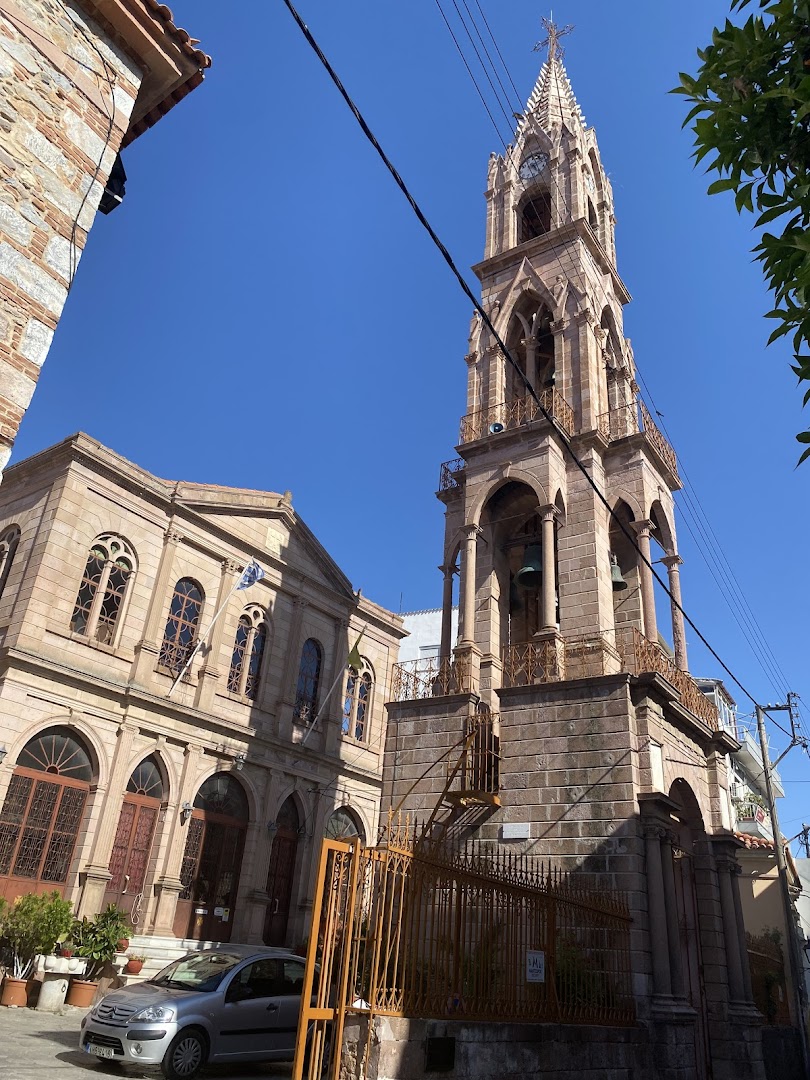
Tucked amid the sun-bleached hillsides near the quiet village of Alyfada, the church of Agia Kyriaki stands as a testament to the enduring faith that has shaped daily life on Lesvos for centuries. Dedicated to Saint Kyriaki, an early Christian martyr venerated throughout the Orthodox world, the church follows the modest whitewashed vernacular architecture typical of rural Lesvos — a simple barrel-vaulted nave, a bell tower rising above the surrounding olive groves, and a walled courtyard that offers shade and stillness to those who pause here. Like so many village churches on the island, it was built and maintained by the community it serves, its stones carrying the devotion of generations of local families.
Inside, the intimate interior is adorned with icons in the Byzantine tradition, their gilded surfaces softened by the light of candles and oil lamps. The iconostasis separates the nave from the sanctuary in the manner common to Greek Orthodox worship, and visitors will often find small votive offerings left by the faithful — a quiet expression of the living relationship between the community and its patron saint. The church comes most alive on July 7th, the feast day of Agia Kyriaki, when locals gather for the liturgy and the panigiri that follows, a celebration of food, music, and shared memory that has anchored the village calendar across generations.
For visitors to this part of Lesvos, Agia Kyriaki offers more than a moment of architectural interest. It opens a window onto the spiritual rhythms that continue to define island life, where Orthodox Christianity is not simply a matter of history but an active presence felt in the ringing of bells, the smell of incense, and the warmth of a community that still gathers around its church. The setting itself, amid the gentle landscape of the Alyfada countryside, rewards those who take the time to seek it out.
Before you go
What to expect
The walled courtyard draws you in first — a cool, shaded space that invites you to slow down before stepping inside. The interior is intimate and candlelit, with gilded Byzantine icons and small votive offerings hanging near the iconostasis that signal this is a place of living devotion rather than a historic relic. If you happen to visit on July 7th, you'll find the village gathered for the feast-day liturgy and the panigiri that follows, with food, music, and a warmth that makes the setting unforgettable.
Best time to visit
July 7th for the feast day and panigiri is the most rewarding time; otherwise, spring and early autumn offer comfortable weather for the short trip from Mytilene.
How to get there
The church sits barely a kilometre from Mytilene's centre in the Alyfada countryside — a short drive of just a few minutes through the hillside roads east of town.
Details
Denomination: greek_orthodox