Ruins (39.2528, 26.2434)
About
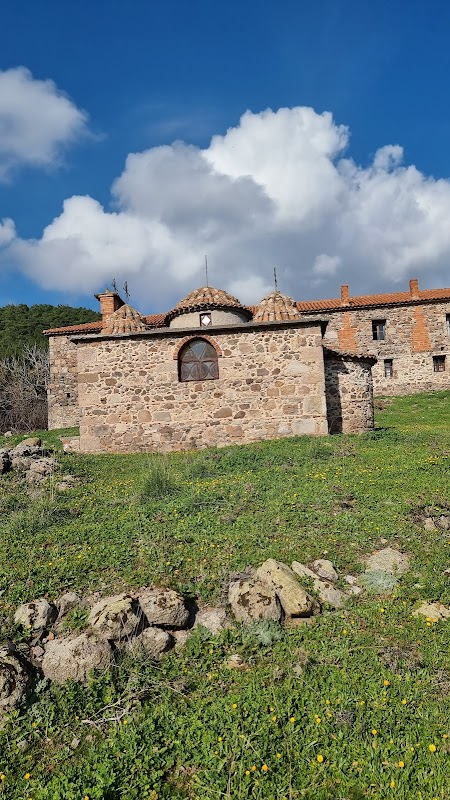
Scattered across a hillside near the village of Agia Paraskevi, these ruins offer a quiet window into the layered human history of central Lesvos. The island's interior has been inhabited since antiquity, and the remains here likely reflect the overlapping occupations that have shaped this landscape across the centuries — from the ancient Greek settlements that once dotted the region's fertile valleys to the Byzantine and later medieval structures that followed. Stone foundations, collapsed walls, and the outlines of former rooms emerge from the scrub vegetation, speaking to a community that once organized its life around agriculture, trade, and the rhythms of the Aegean.
What visitors encounter today is an evocative rather than monumental site — no grand columns or restored temples, but the kind of authentic, unrestored remnants that reward those with a curiosity for the island's quieter history. The setting itself is striking: the rolling hills of the Kalloni basin stretch out nearby, olive groves frame the view, and the atmosphere carries the unhurried character of rural Lesvos. Wandering among the stones, it is easy to sense how generations of islanders built their lives in this protected inland terrain, sheltered from coastal piracy and close to the agricultural richness of the valley.
The proximity to Agia Paraskevi makes this a natural pairing with a visit to that charming village, known for its folk museum and traditional architecture. For travellers who have already explored Lesvos's more celebrated archaeological attractions — the ancient site of Antissa to the west or the museum collections in Mytilene — these ruins provide a grounding reminder that history here was never confined to the grand and the famous, but lived in every corner of the island.
Before you go
What to expect
Stone foundations and collapsed walls emerge from the scrub on a hillside above Agia Paraskevi, with olive groves and the broad Kalloni basin filling the view beyond. There are no crowds, no barriers, and no interpretive signs — just open terrain that rewards anyone willing to pick their way slowly among the outlines of former rooms and agricultural enclosures. The silence and the unhurried setting make it feel less like sightseeing and more like reading an old letter that has never been fully translated.
Best time to visit
Spring (April–May) is best, when the hillside vegetation is low and green and the heat has not yet set in; midsummer walking on exposed hillsides can be tiring.
How to get there
Agia Paraskevi is roughly 40–50 minutes north of Mytilene by car through the island's interior. The ruins sit on the hillside close to the village and are most easily approached on foot from the village itself.
Details
Categories
Make a day of it
Places worth combining with your visit