


Αγία Παρασκευή
Agia Paraskevi
Population
2,268
Elevation
100m
Municipality
Agia Paraskevi
Postal Code
811 02
From Mytilene
28.6 km
Nearest Beach
Mesa Beach 1
Overview
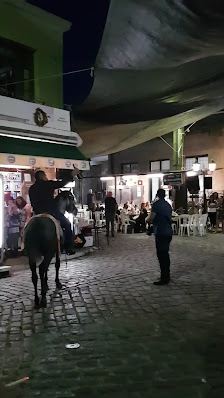
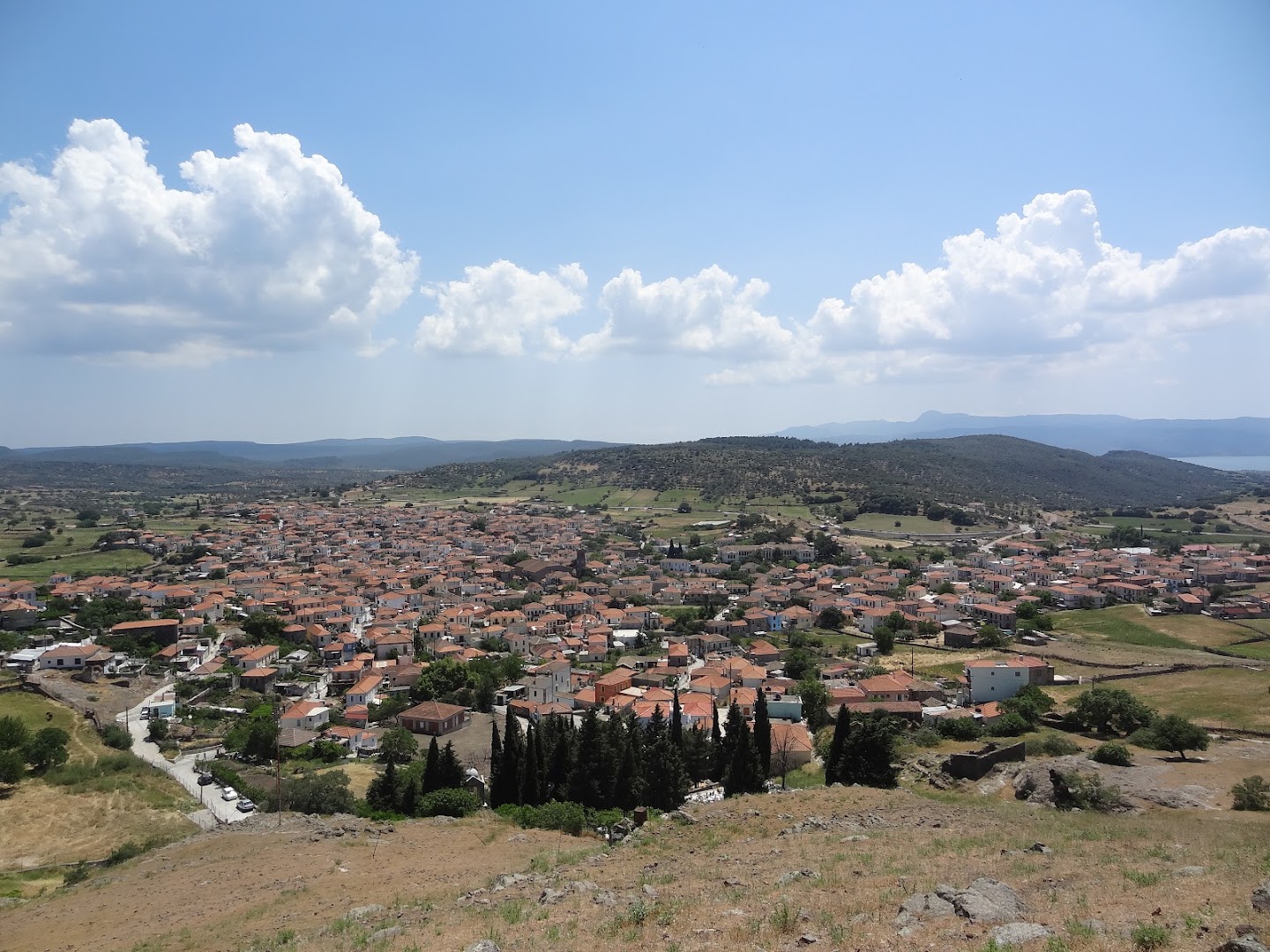
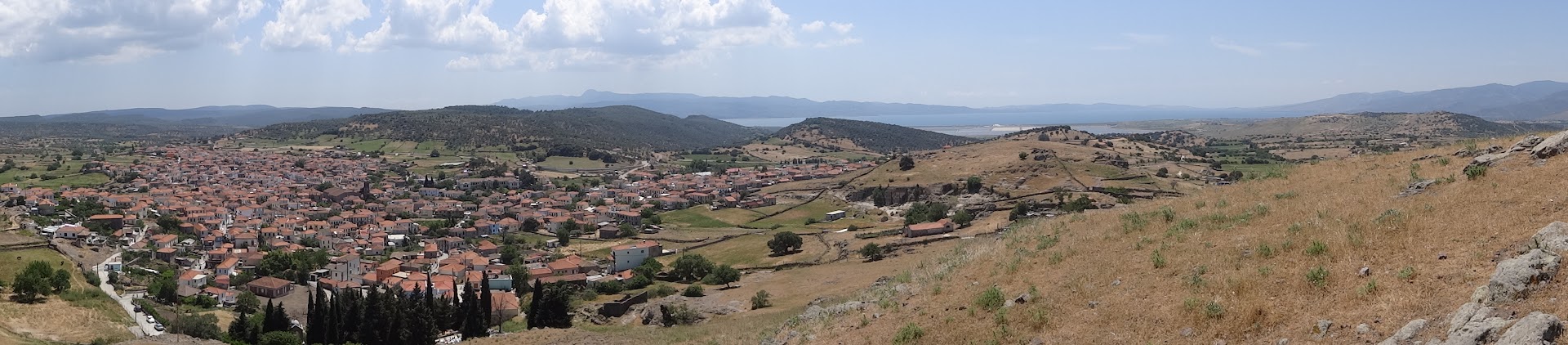
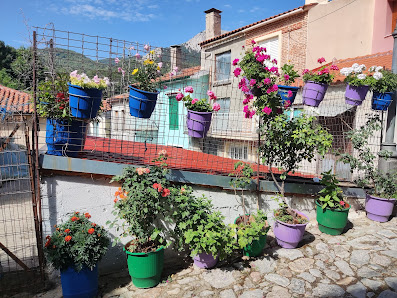
Agia Paraskevi sits in the heart of Lesvos, roughly 28 km from the capital Mytilini. This lively settlement revolves around its vibrant central square and the Church of Agia Paraskevi, which hosts one of the island's most celebrated festivals. The village is renowned for its bull festival, a tradition with roots stretching back centuries, drawing visitors from across the island each summer. Surrounded by olive groves and agricultural land, Agia Paraskevi also houses a notable olive press museum that showcases the island's deep connection to olive oil production.
Before you go
What to expect
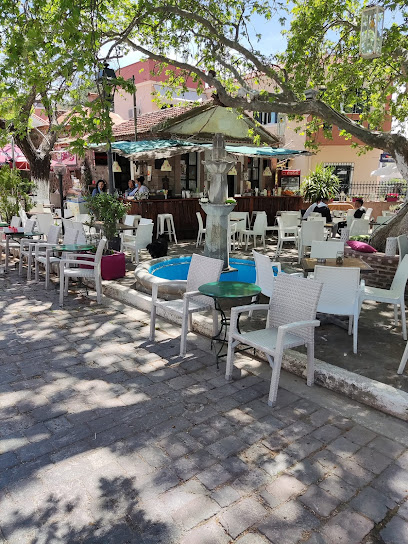
The central square hums with local life — coffee drinkers at shaded tables, the church bell marking the hour, and the smell of olive groves drifting in from just beyond the last houses. In summer the bull festival transforms that same square into something ancient and electric, drawing islanders from every corner of Lesvos. The olive press museum nearby is unexpectedly absorbing, tracing how this land has been worked for centuries.
Best time to visit
July and August for the bull festival; late April through June offers pleasant weather and lush olive-grove greenery with far fewer crowds.
How to get there
Agia Paraskevi is about 28 km from Mytilene — roughly a 35-minute drive through the agricultural interior of the island. The village is well-signed from the main central-island road.
Top-Rated in Agia Paraskevi
Highest-rated places chosen by visitors
shop
Velos Apostolos - Kitchen Furniture & Floors
Velos Apostolos is a kitchen furniture and flooring specialist located near Agia Paraskevi, a charming village in the heart of Lesvos known for its traditional architecture and the famous Petrified Forest museum. For anyone undertaking a renovation, building a home on the island, or simply seeking to furnish a space with quality cabinetry and floor coverings, this shop offers a practical and well-positioned resource in the island's interior. The store carries kitchen furniture alongside flooring solutions, serving both local residents and the growing community of property owners who come to Lesvos seeking a permanent or seasonal home. Whether you are fitting out a village house, a rural retreat, or a business premises, finding a dedicated supplier of this kind outside the main urban centres of Mytilene and Kalloni is genuinely useful, saving the long drive to larger towns. Visitors with renovation projects on Lesvos will appreciate having a local specialist to consult on kitchens and floors, where regional knowledge of materials suited to the island's climate and building styles can make a real difference. Agia Paraskevi itself is worth a stop for its traditional kafeneion culture and proximity to the Natural History Museum of the Lesvos Petrified Forest, making a visit to this part of the island worthwhile on several counts.
bakery
Bakery Taxiarchis
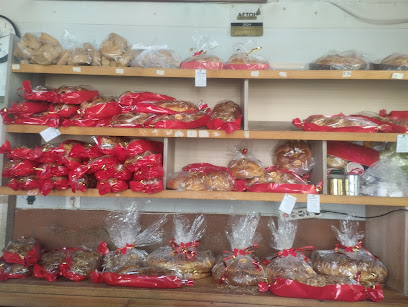
Bakery Taxiarchis is a traditional Greek bakery located in or near the village of Agia Paraskevi, in the heart of the fertile Kalloni Plain on Lesvos. The bakery carries the name Taxiarchis, a reference to the Archangels deeply venerated across the island, lending the place a quietly sacred character common to many family-run businesses in this part of Greece. Visitors can expect the warm, yeasty aromas and honest craft that define a true Greek artisan bakery — freshly baked loaves of village bread, tsoureki, tiropita, spanakopita, koulouri, and seasonal pastries made from local ingredients. The surrounding area is rich in olive groves and agricultural tradition, and a bakery like this often serves as a quiet hub of daily village life, where locals stop in for their morning bread before heading to the fields or the kafeneio. For travelers exploring the Kalloni area, a stop at Bakery Taxiarchis is a chance to taste something genuinely local — the kind of simple, well-made food that sustains a community. Whether you are passing through on your way to the salt pans at Kalloni, the medieval village of Agia Paraskevi itself, or the broader natural landscape of central Lesvos, picking up a warm loaf or a savory pastry here makes for an authentic and unhurried moment in the rhythm of island life.
local-products
Aeolikos Dairy
Renowned dairy producer located in Agia Paraskevi, famous for exceptional feta cheese and premium dairy products. Offers factory tours showcasing traditional and modern production techniques for visitors interested in authentic local gastronomy. Their products represent the island's strong dairy tradition.
supermarket
Convenience Store
Tucked in the village of Agia Paraskevi, this convenience store serves as a reliable stop for visitors exploring the fertile interior of Lesvos. The village sits in the heart of the island's olive-growing region, and local shops like this one are the lifeblood of everyday community life, stocking essentials from fresh produce and dairy to snacks, drinks, and household goods. For travellers passing through on their way to the ouzo distilleries or the petrified forest to the west, a stop here is a practical way to pick up provisions before venturing further into the countryside. Expect the friendly, unhurried atmosphere typical of village shops across Greece, where the owner often knows every regular by name and is happy to point you toward local highlights.
Practical Info
Supermarket
4 stores
Medical / Pharmacy
Kostas Mariglis Pharmacy
Petrol Station
BP Fuel Station
ATM / Bank
Ethniki Trapeza
Transport
Not found
All Businesses
5ive Roads Espresso & Snack Bar
Aeolikos Dairy
Agia Paraskevi Fault
Agia Paraskevi Olive & Dairy Cooperative
Agia Paraskevi Women's Cooperative
Agrozoi SA
BP Fuel Station
Bakery Taxiarchis
Bon bon
Convenience Store
Deja vu Cafe Snack Bar
Eirma Collection
Churches & Religious Sites
Αγία Αικατερίνη
Agia Aikaterini
Nestled in the gentle countryside near the village of Agia Paraskevi, the church of Agia Aikaterini is dedicated to Saint Catherine of Alexandria, one of the most venerated martyrs in the Orthodox Christian tradition. Saint Catherine, celebrated each year on the 25th of November, is revered for her learning, courage, and unwavering faith, and churches bearing her name are found throughout the Greek world, each serving as a focal point of devotion in its local community. This small church, set against the lush inland landscape of central Lesvos, is typical of the island's rural ecclesiastical heritage — modest in scale but rich in spiritual meaning for the families of the surrounding villages. The church reflects the vernacular religious architecture common to the Lesvos countryside, with whitewashed walls, a terracotta-tiled roof, and an intimate interior that invites quiet contemplation. Like many rural churches on the island, it likely houses a painted icon of the saint depicted in her traditional form — crowned, holding the martyr's palm and the wheel of her torment — along with an iconostasis that separates the nave from the sanctuary. These icons, whether old or more recent, are the living devotional heart of such a church, tended carefully by the faithful across generations. For visitors exploring the villages and olive groves of central Lesvos, Agia Aikaterini offers a moment of genuine connection with the island's deep-rooted Orthodox culture. The feast day on the 25th of November brings local families together for a liturgy and the communal gathering known as a panigiri, carrying forward traditions that have shaped village life on Lesvos for centuries. Even outside of feast days, the church stands as a quiet testament to the faith that has given this landscape much of its character and warmth.
Αγία Παρασκευή
Agia Paraskevi
The church of Agia Paraskevi stands at the heart of the village that bears her name, a settlement nestled amid the fertile olive groves of central Lesvos. Dedicated to the early Christian martyr Saint Paraskevi, venerated across the Orthodox world as a healer and protector of sight, the church serves as the spiritual anchor of a community whose identity is inseparable from her name. The building reflects the sturdy vernacular ecclesiastical architecture common to the Aegean interior, with thick stone walls, a tiled roof, and an intimate interior whose walls are adorned with devotional icons depicting the saint's life and martyrdom. Lamp-lit and fragrant with incense, it is a place where centuries of quiet faith have accumulated in the worn flagstones and the soot-darkened gilding of the iconostasis. The feast day of Agia Paraskevi falls on the 26th of July, and in this village the celebration takes on a character found almost nowhere else in the Greek world. The liturgy is followed by the remarkable Taurokathapsia, an ancient bull-running tradition in which decorated bulls are led through the village streets in a spectacle that blends Orthodox piety with pre-Christian echoes of the agrarian calendar. Pilgrims and visitors arrive from across Lesvos and beyond, filling the plateia with music, feasting, and communal joy. The combination of solemn liturgy and exuberant popular festival captures something essential about the way faith and folk tradition intertwine in island life. For visitors, the church offers not just religious interest but a window into the living culture of rural Lesvos. Even outside the feast period, the doors are often open during morning hours, welcoming anyone who steps in from the sun-dappled square to rest in the cool interior and contemplate the serene face of the saint on her icon. The surrounding village, with its traditional kafeneion and unhurried pace, makes Agia Paraskevi a rewarding detour for those exploring the island's heartland.
Church (39.2445, 26.2692)
Near the village of Agia Paraskevi in the fertile Kalloni basin of central Lesvos, this Orthodox church stands as a quiet anchor of faith in a community whose very name honors one of the most beloved saints of the Greek Christian tradition. Saint Paraskevi, whose name means "preparation" in Greek — referring to the day before the Sabbath — was an early Christian martyr venerated across the Orthodox world for her steadfast devotion and miraculous healings. The village of Agia Paraskevi is itself famous throughout Greece for its extraordinary festival on her feast day, the 26th of July, which draws pilgrims and visitors from across the country for a celebration that uniquely blends liturgical tradition with a centuries-old custom of communal feasting. A church dedicated to or associated with this patronal saint forms the spiritual heart of that living tradition. The Orthodox churches of the Kalloni valley tend to follow the vernacular ecclesiastical architecture of the eastern Aegean, typically featuring whitewashed stone walls, a modest bell tower, and a tiled roof that weathers gracefully under the island sun. Interiors often preserve iconostases adorned with hand-painted icons in the Byzantine manner, their gold leaf and rich ochres glowing in candlelight during services. Many such churches in the region contain icons passed down through generations of local families, some bearing the stylistic hallmarks of post-Byzantine Cretan or Smyrnaean workshops that once supplied the communities of the eastern Aegean. For visitors, stopping at this church offers more than a moment of architectural interest — it is an invitation into the living religious culture of Lesvos. The feast of Agia Paraskevi on July 26th transforms this corner of the island into a place of extraordinary warmth and communal energy, with liturgy, music, and the sharing of food marking a celebration that has persisted for generations. Even outside the festival season, the surrounding landscape of olive groves and low hills gives the site a peaceful, contemplative quality that rewards those who seek it out.
Εκκλησία Αγίας Παρασκευής
Church (39.2513, 26.2425)
Nestled in the verdant landscape near the village of Agia Paraskevi, in the fertile Kalloni plain of central Lesvos, this Greek Orthodox church stands as a quiet expression of the island's deep religious heritage. The village itself takes its name from Saint Paraskevi, the early Christian martyr venerated throughout Greece and the Orthodox world, and churches dedicated to her are among the most beloved in the Aegean. Built in the local vernacular ecclesiastical style typical of the eastern Aegean, the structure reflects centuries of island craftsmanship, with whitewashed walls, a terracotta-tiled roof, and the characteristic bell tower that marks the rhythm of village life through its tolling. Inside, visitors encounter the sensory world of Orthodox worship: the warm glow of oil lamps, the scent of beeswax and incense, and the richly painted iconostasis that separates the nave from the sanctuary. Devotional icons of Christ, the Theotokos, and the patron saint adorn the walls, many rendered in the Byzantine tradition with gold-leaf halos and expressions of serene gravity. Feast days draw the local community together for liturgies that begin before dawn and spill into the churchyard, where tables are laid and village life briefly suspends its ordinary pace in favor of collective celebration and memory. For visitors, stepping inside offers more than a glimpse of architecture — it is an encounter with the living faith that has shaped Lesbian village culture for generations. Agia Paraskevi sits close to the ancient temple of Messa and the productive olive groves that define this part of the island, and the church participates in a landscape layered with meaning across millennia. Travelers are welcome to visit during daylight hours, though modest dress is expected as a mark of respect for a place that remains, above all, a house of active worship.
Ιερά Μονή Ταξιαρχών (Κλοπεδή)
Iera Moni Taxiarchon (Klopedi)
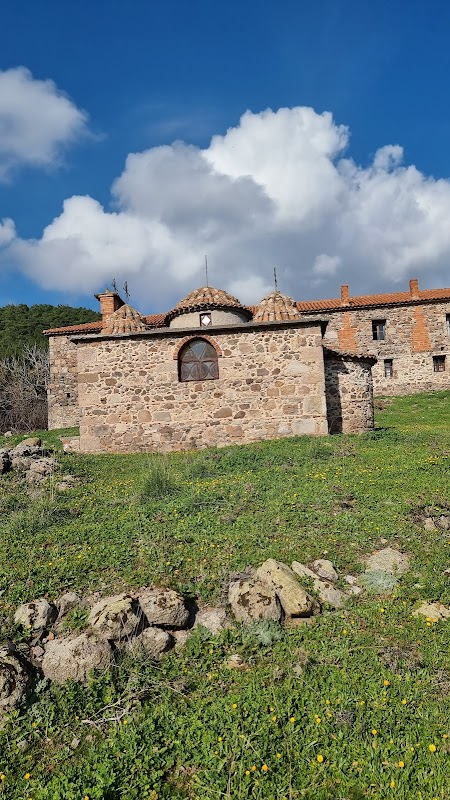
Nestled in the verdant countryside near the village of Agia Paraskevi in central Lesvos, the Iera Moni Taxiarchon at Klopedi is a revered Greek Orthodox monastery dedicated to the Taxiarchs, the Archangels Michael and Gabriel. The Taxiarchs hold a place of particular devotion across the Aegean world, venerated as the commanders of the heavenly hosts and intercessors between the divine and human realms. This monastery, like many on Lesvos, reflects the island's deep monastic tradition, with its stone-built katholikon and surrounding cells speaking to generations of continuous religious life in this quietly beautiful corner of the island. Visitors who make the journey to Klopedi are rewarded with an atmosphere of genuine spiritual calm. The church interior shelters icons in the Byzantine tradition, and the scent of incense mingles with the cool air that drifts in from the surrounding olive groves and pine-covered hills. The principal feast day of the Taxiarchs falls on November 8th, when the monastery draws pilgrims and local faithful from across the Lesvos to celebrate the pannychida and liturgy together, a vivid expression of the living religious culture that still animates rural island life. The surrounding landscape, characteristic of the fertile Kalloni basin, gives the site a serene and unhurried quality. For travellers exploring central Lesvos beyond the better-known coastal attractions, the monastery offers a meaningful glimpse into the island's spiritual geography. The area around Agia Paraskevi is itself known for its traditional character, and combining a visit to the monastery with a stop in the village square makes for a rewarding half-day excursion. Whether one comes seeking quiet contemplation, an encounter with Byzantine religious art, or simply a deeper understanding of how faith and landscape intertwine on this storied Aegean island, the Iera Moni Taxiarchon at Klopedi delivers a quietly memorable experience.
Ναός Παμμέγιστων Ταξιαρχών
Naos Pammegiston Taxiarchon
The Church of the Pammegiston Taxiarchon — a title meaning the Supreme or All-Great Commanders — is dedicated to the Archangels Michael and Gabriel, two of the most venerated figures in the Greek Orthodox faith. Nestled near the village of Agia Paraskevi in the fertile Kalloni plain of central Lesvos, this church belongs to a tradition of Taxiarchs dedications that runs deep across the Aegean, reflecting the archangels' role as heavenly protectors and warriors against evil. The name Pammegiston elevates them to the highest rank among the angelic hosts, and churches bearing this title are typically considered places of particular spiritual gravity within their communities. The interior follows the intimate scale typical of rural Lesvos churches, where whitewashed walls and the warm glow of oil lamps create an atmosphere of quiet devotion. Visitors can expect to find an iconostasis decorated with icons of the Taxiarchs rendered in the post-Byzantine style common to the eastern Aegean, their stern yet compassionate gazes a hallmark of the iconographic tradition. The church comes alive on November 8th, the feast day of the Synaxis of the Archangels Michael and Gabriel, when the local community gathers for liturgy, followed by the communal meals and celebrations that define Greek Orthodox feast days in village life. For those exploring the Agia Paraskevi area — already well known for its remarkable annual bull festival rooted in pre-Christian tradition — this church offers a counterpoint of Orthodox spiritual heritage. It stands as a reminder that Lesvos has long been a place where ancient custom and Byzantine faith have coexisted and intertwined. Even outside of feast days, the church is worth a quiet visit for its role as a living anchor of community identity in this corner of the island.
Προφήτης Ηλίας
Profitis Ilias
Perched on an elevated spot near the village of Agia Paraskevi, the church of Profitis Ilias is dedicated to the Prophet Elijah, one of the most venerated figures in the Greek Orthodox tradition. Across Greece, churches bearing this dedication are almost invariably found on high ground, a placement that carries deep symbolic meaning: Elijah, who was taken up to heaven in a chariot of fire according to scripture, is honored closest to the sky. This hilltop siting also gave such churches practical importance in earlier centuries as landmarks for travelers and sailors navigating the island's terrain and coastline. The church reflects the vernacular ecclesiastical architecture common to rural Lesvos, typically featuring thick whitewashed stone walls, a modest bell tower, and a tiled roof that blends harmoniously with the surrounding olive-covered landscape. Inside, visitors can expect the warm atmosphere of a working village church, with an iconostasis screen and oil lamps casting a golden light over the sacred space. Icons of the Prophet Elijah frequently depict him in his fiery ascent, a powerful image that resonates deeply with the congregation. The feast day of Profitis Ilias falls on July 20th, and it is celebrated with particular warmth in communities across Lesvos. The local panigiri, or religious festival, draws residents from Agia Paraskevi and neighboring villages together for liturgy, followed by communal feasting and music — a tradition that transforms a religious observance into a celebration of community life. For visitors, arriving around the feast day offers a rare and genuine glimpse into the living religious and social culture of rural Lesvos.
Gallery & Videos
Captured a memorable moment in Agia Paraskevi?
Nearby
Beaches
Pedi Beach
9.7 km away
Parakoila Beach
10.9 km away
Xampelia Beach
12.8 km away
Anaxos Skoutarou Beach
12.9 km away