Saint Paraskevi
Αγία Παρασκευή
About
Saint Paraskevi is a Christian martyr of the 2nd century, born in Rome to devout parents, who dedicated her life to spreading the faith before her execution under Emperor Antoninus Pius. She is among the most beloved saints in the Greek Orthodox tradition, venerated across Greece and throughout the wider Orthodox world as a healer and protector, particularly invoked by those suffering from ailments of the eyes. Churches bearing her name are a common and cherished feature of the Lesvos landscape, reflecting the deep devotion local communities have long held for her intercessory power.
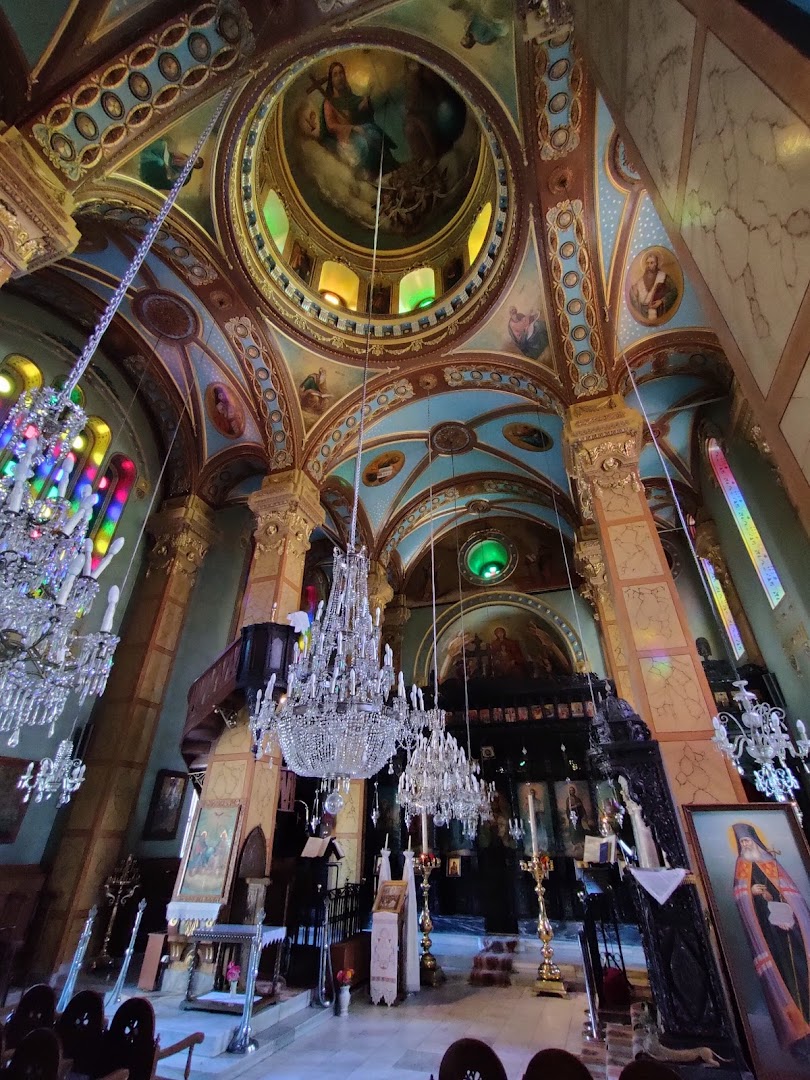
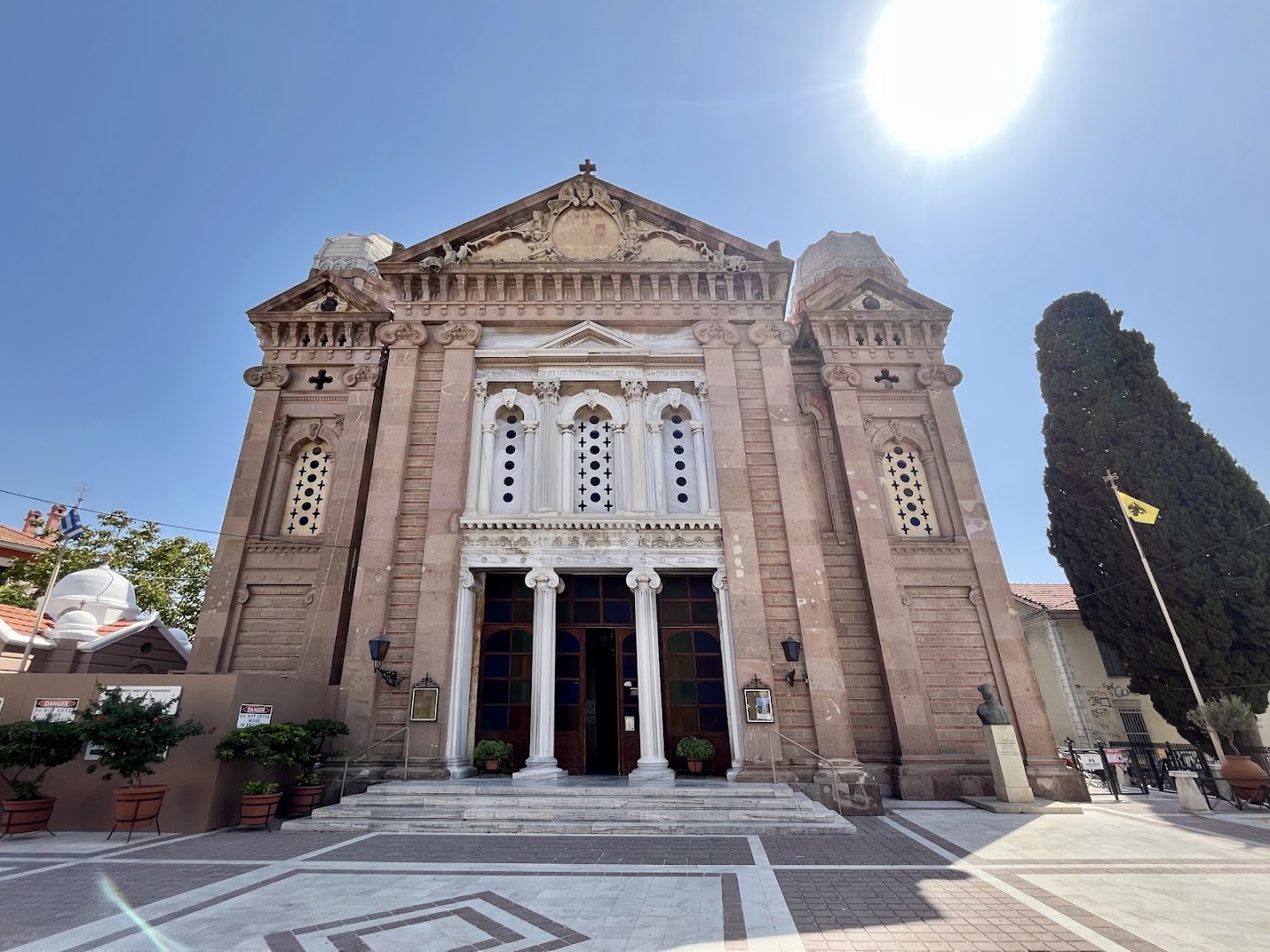
This church, set amid the quiet countryside of central-eastern Lesvos, is a place of genuine spiritual warmth. Like most rural Orthodox churches on the island, it likely features the whitewashed walls, terracotta roof tiles, and modest bell tower that characterise traditional Aegean ecclesiastical architecture. Inside, visitors can expect an intimate interior adorned with hand-painted icons, a carved wooden iconostasis separating the nave from the sanctuary, and the soft glow of oil lamps before the saint's image. The feast day of Saint Paraskevi falls on 26 July, when local communities traditionally gather for a panigiri — a festive celebration combining the liturgy with music, food, and communal gathering that has been the heartbeat of village life on Lesvos for generations.
For travellers exploring Lesvos beyond its coastal resorts, stopping at a small church like this one offers a glimpse into the island's enduring spiritual and cultural identity. The Orthodox faith is not merely historical backdrop here but a living tradition, and a quiet visit to Saint Paraskevi rewards with a sense of place and continuity that few other experiences on the island can match.
Before you go
What to expect
Stepping inside, you find a hushed interior lit by the amber glow of oil lamps burning before hand-painted icons, with a carved wooden iconostasis marking the boundary between nave and sanctuary. The whitewashed walls and terracotta roof tiles are classic Aegean ecclesiastical simplicity. If you visit on or near 26 July, the feast day, the church comes alive with a panigiri — liturgy followed by music and communal food that has defined village celebration on Lesvos for generations.
Best time to visit
Visit in late spring or early autumn for mild weather; come on 26 July for the feast-day panigiri, though the church is quietly welcoming year-round.
How to get there
The church is roughly 4 km from Mytilene in the quiet countryside of central-eastern Lesvos, reachable by car in around ten minutes from the town centre.