


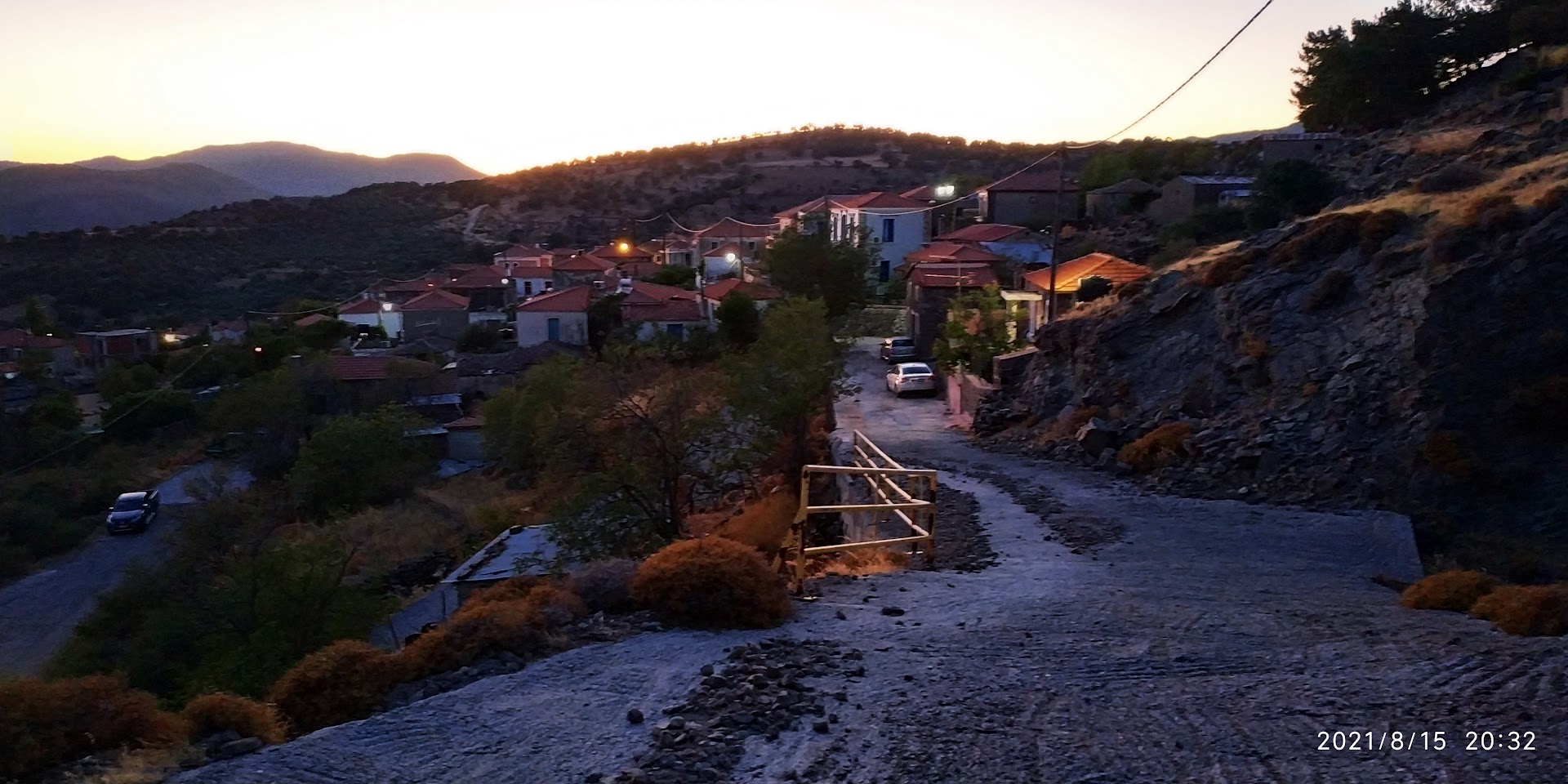
Νάπη
Napi
Population
263
Elevation
167m
Municipality
Mytilini
Postal Code
811 02
From Mytilene
29.1 km
Nearest Beach
Pedi Beach
Overview
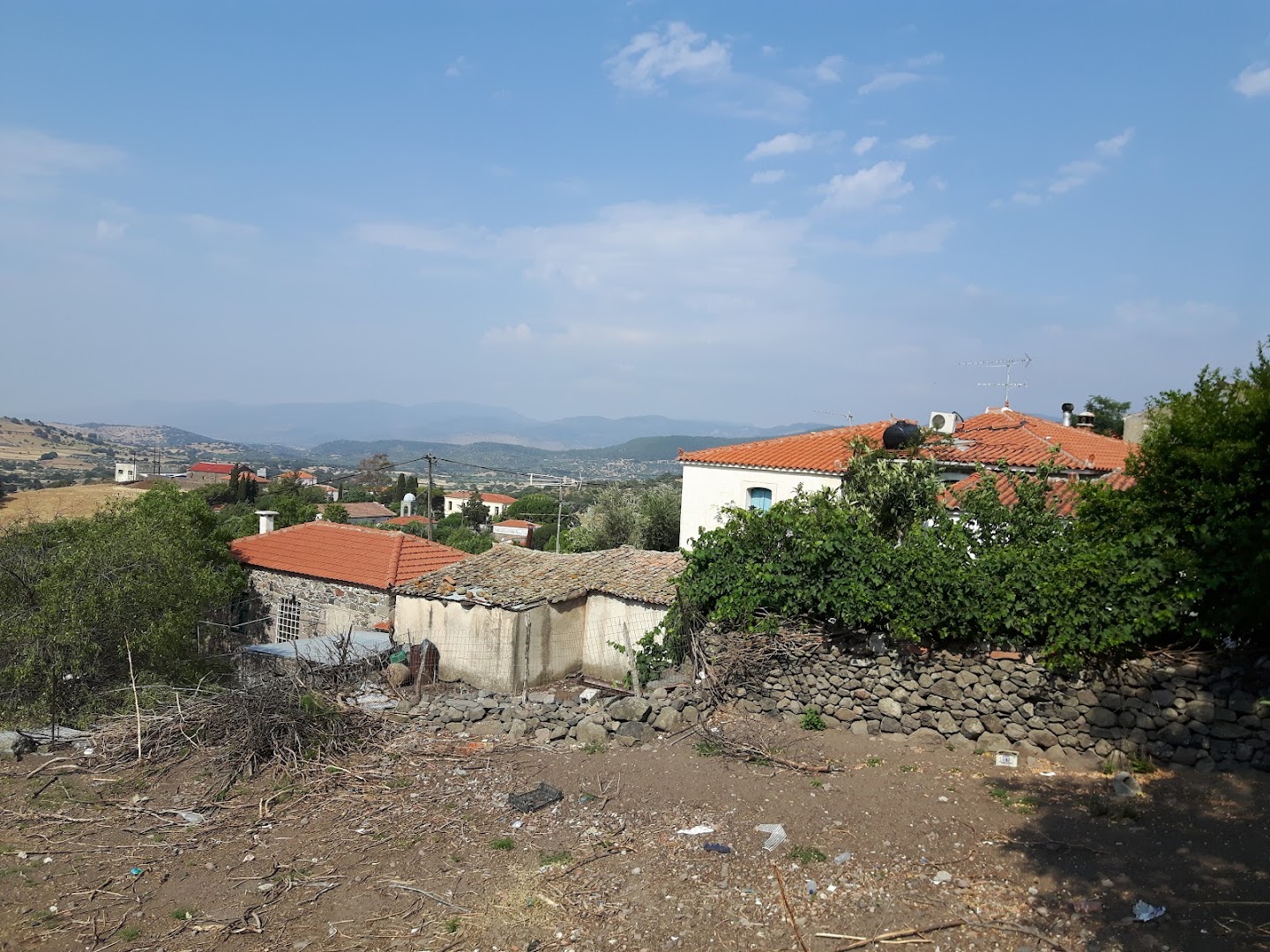
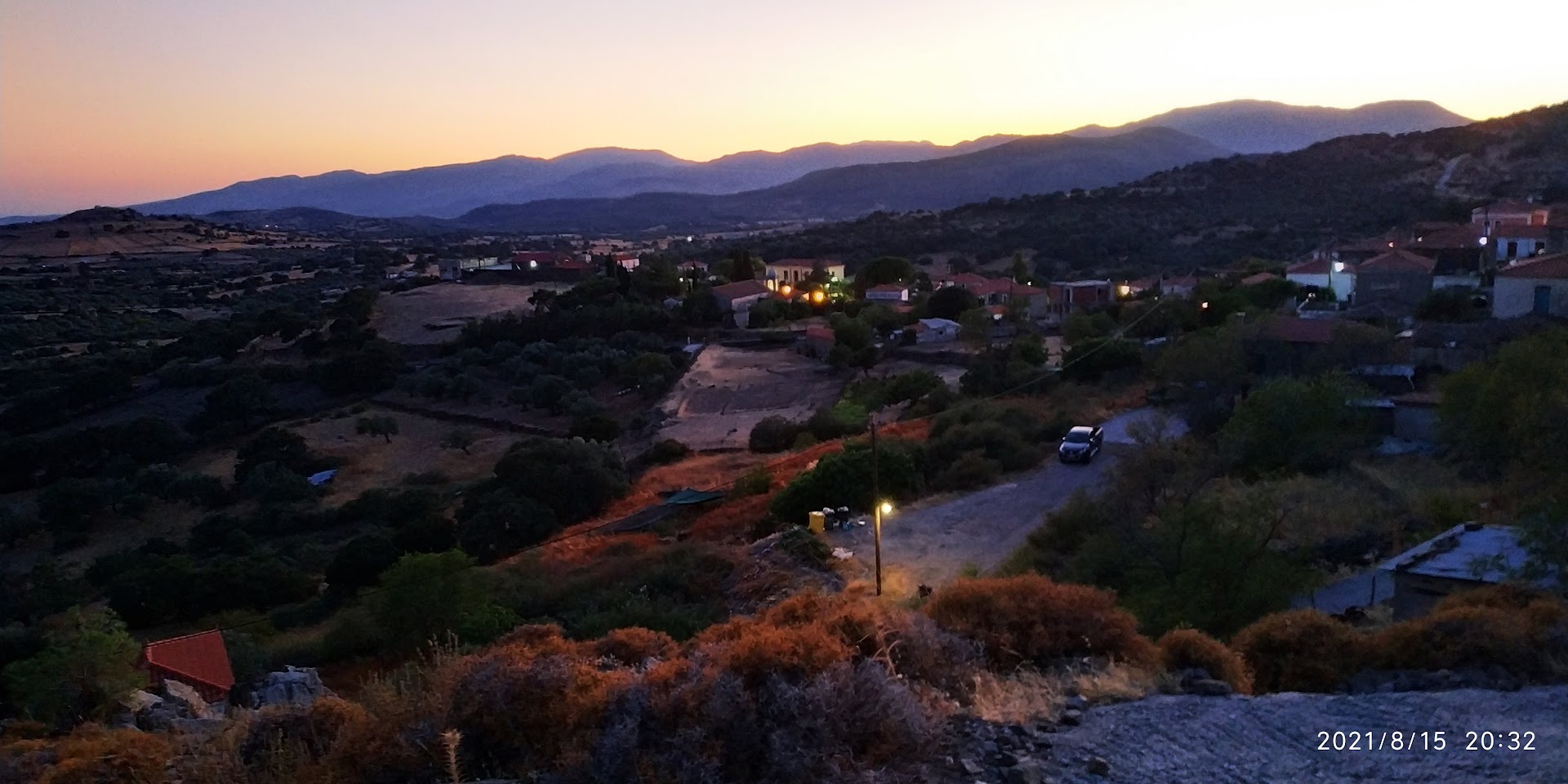
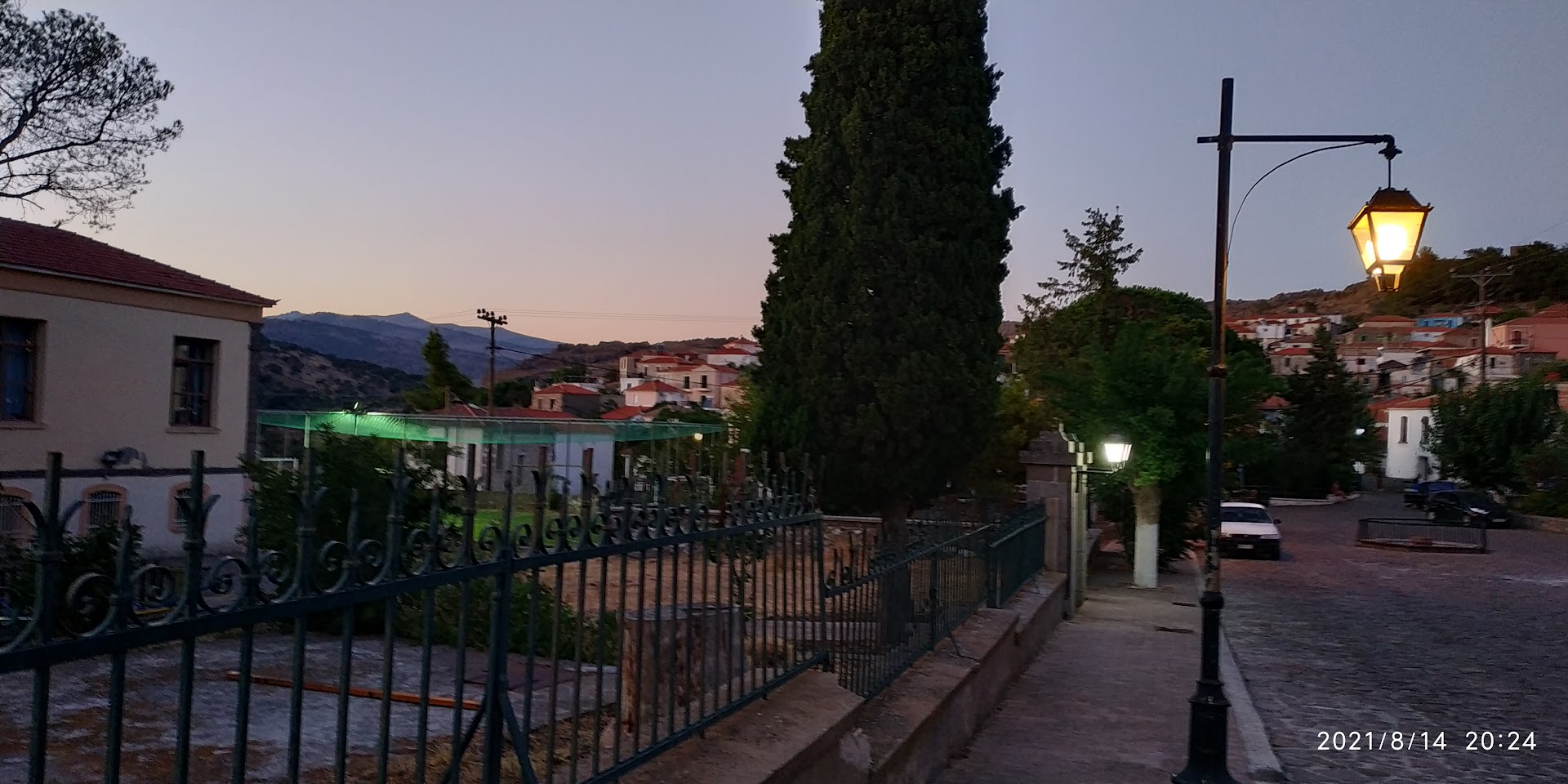
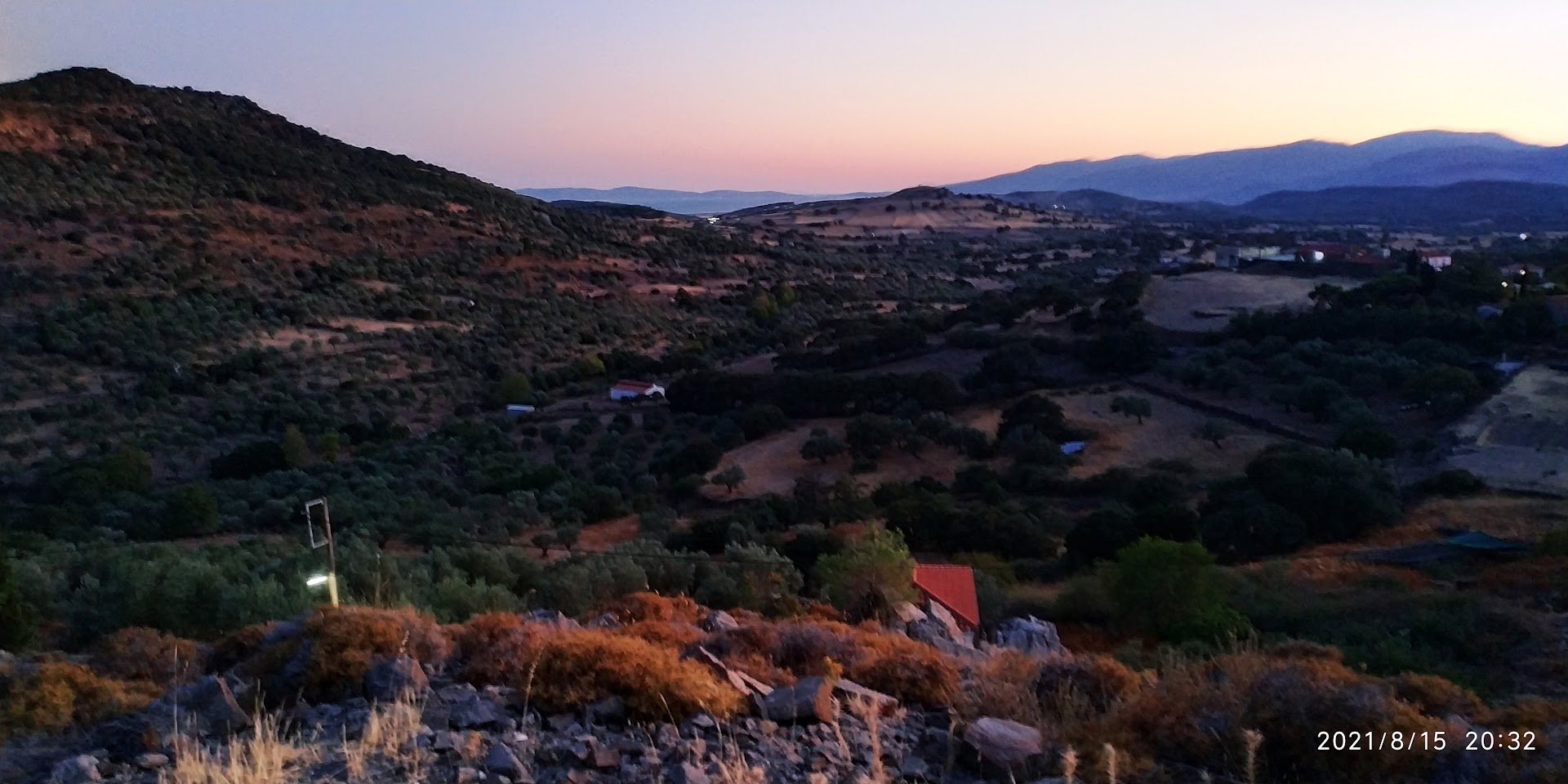
Napi is a small, unhurried village nestled at an elevation of 167 metres in the interior of Lesvos, its hillside position offering sweeping views over the surrounding countryside. With a resident population of around 263, it belongs to the quiet constellation of agricultural settlements that make up the backbone of rural Lesvos — villages that have shaped the island's landscape and identity far more than their modest size might suggest. Like much of inland Lesvos, the terrain around Napi is defined by ancient olive groves, and the cultivation and processing of olives remains central to the local way of life, feeding into the island's celebrated tradition of producing some of Greece's finest olive oil.
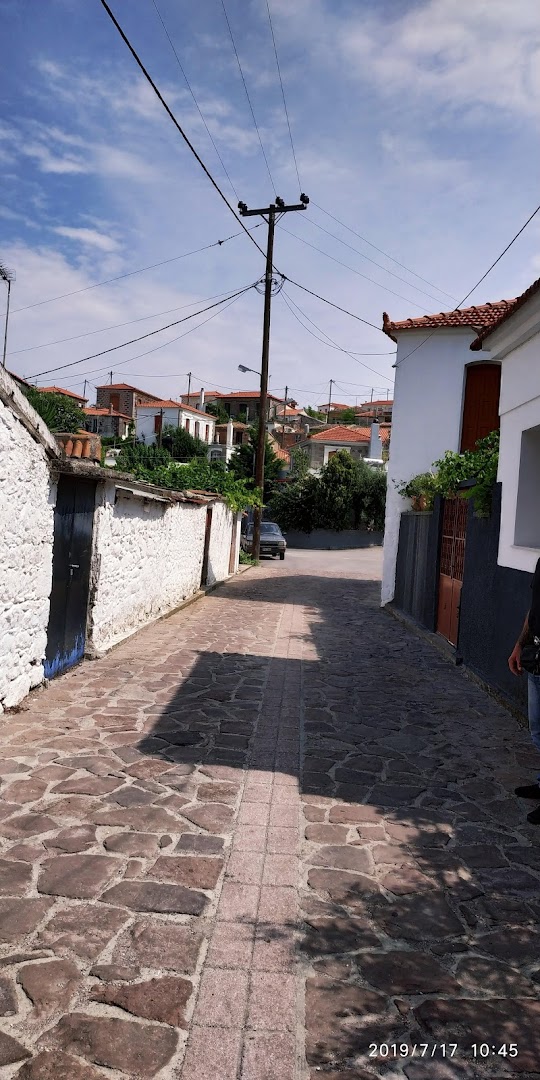
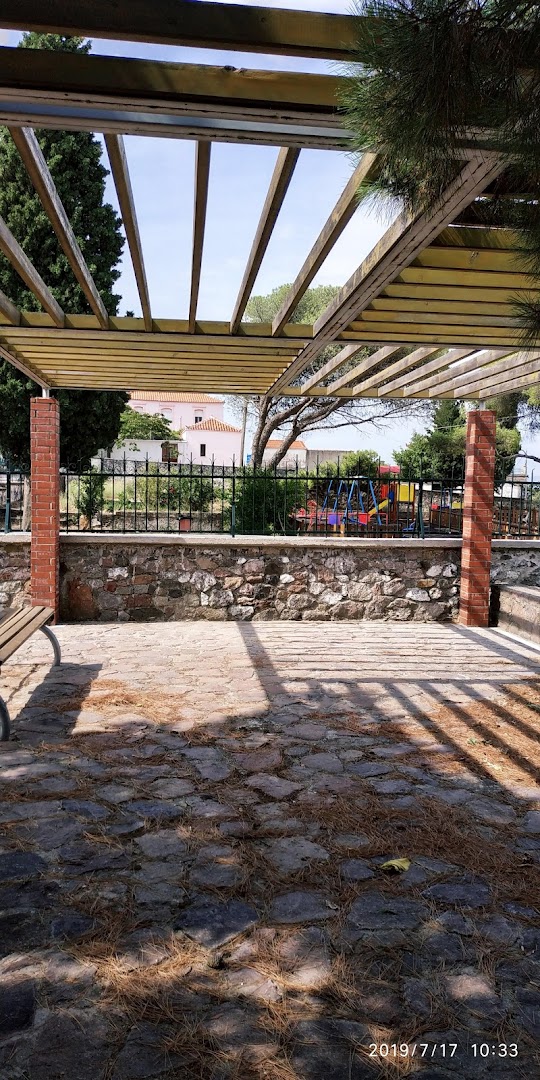
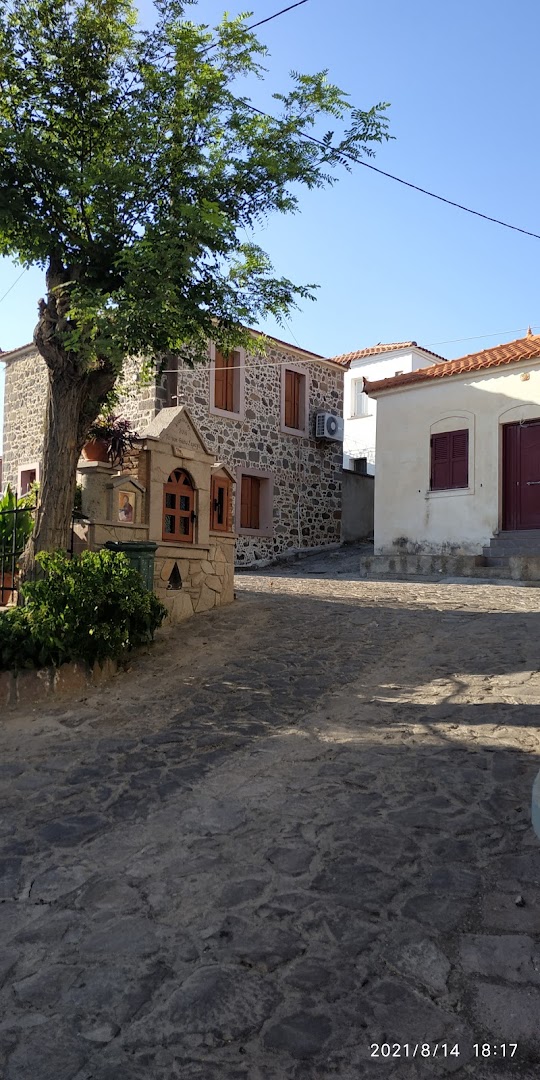
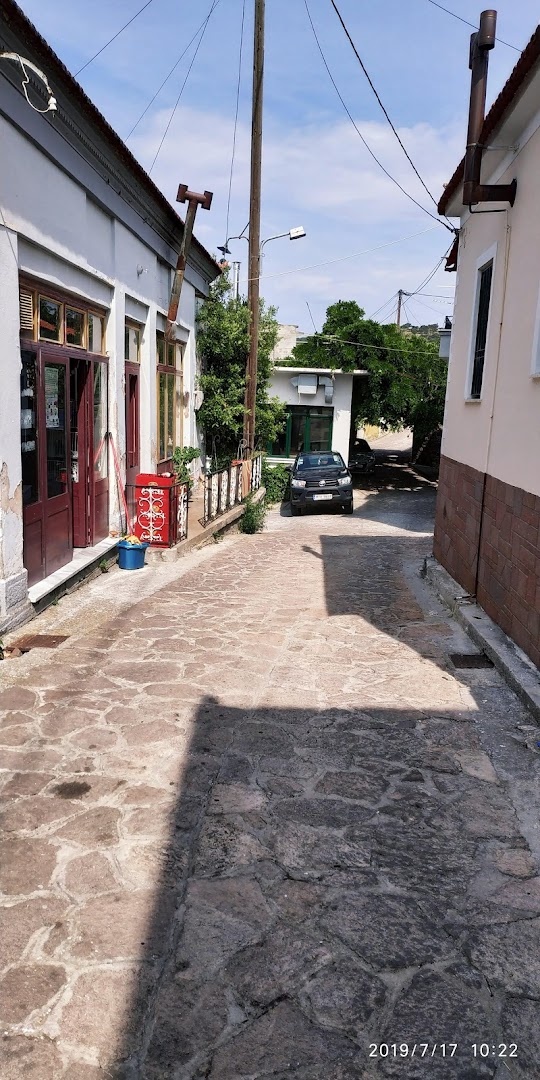
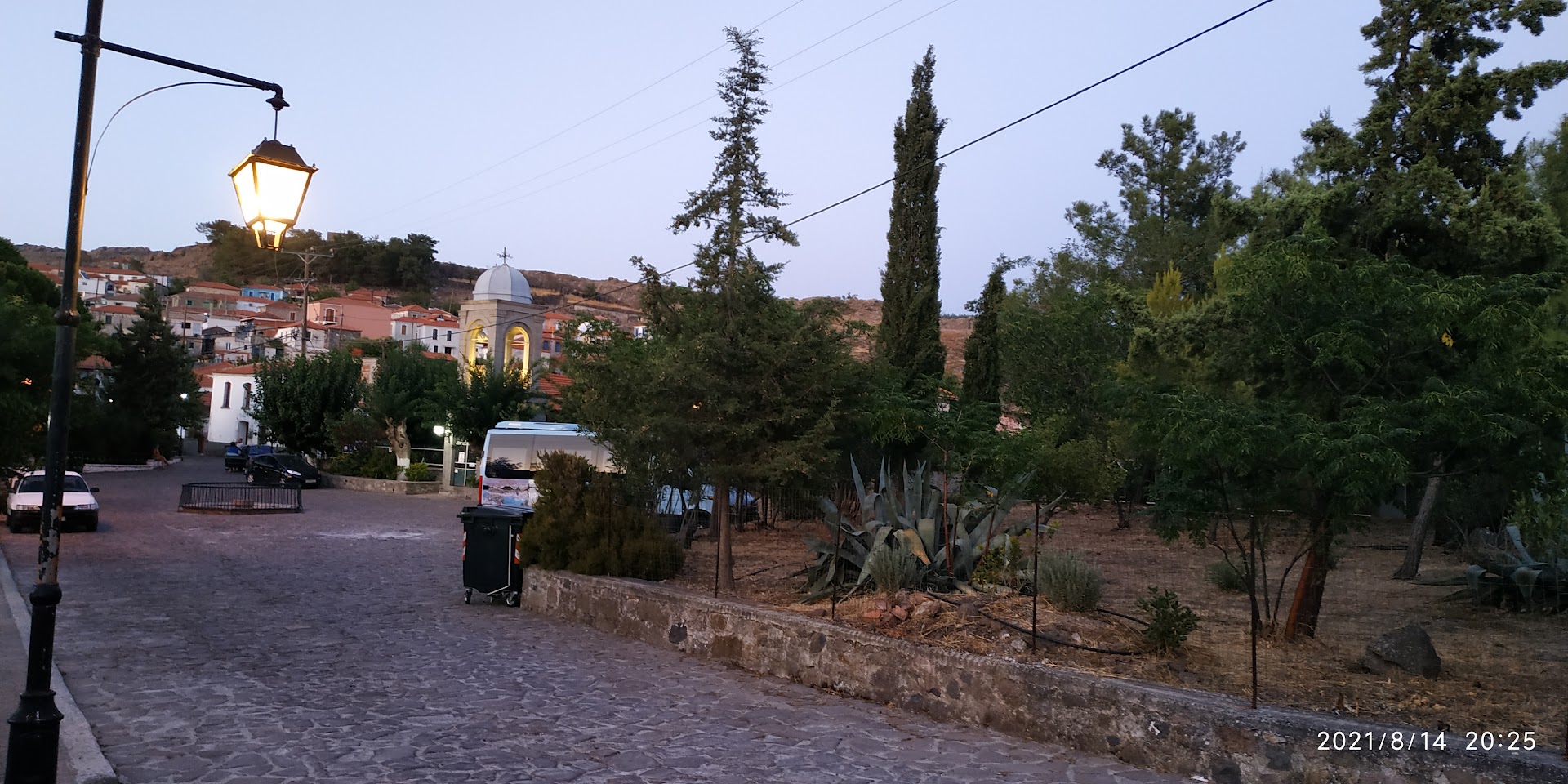
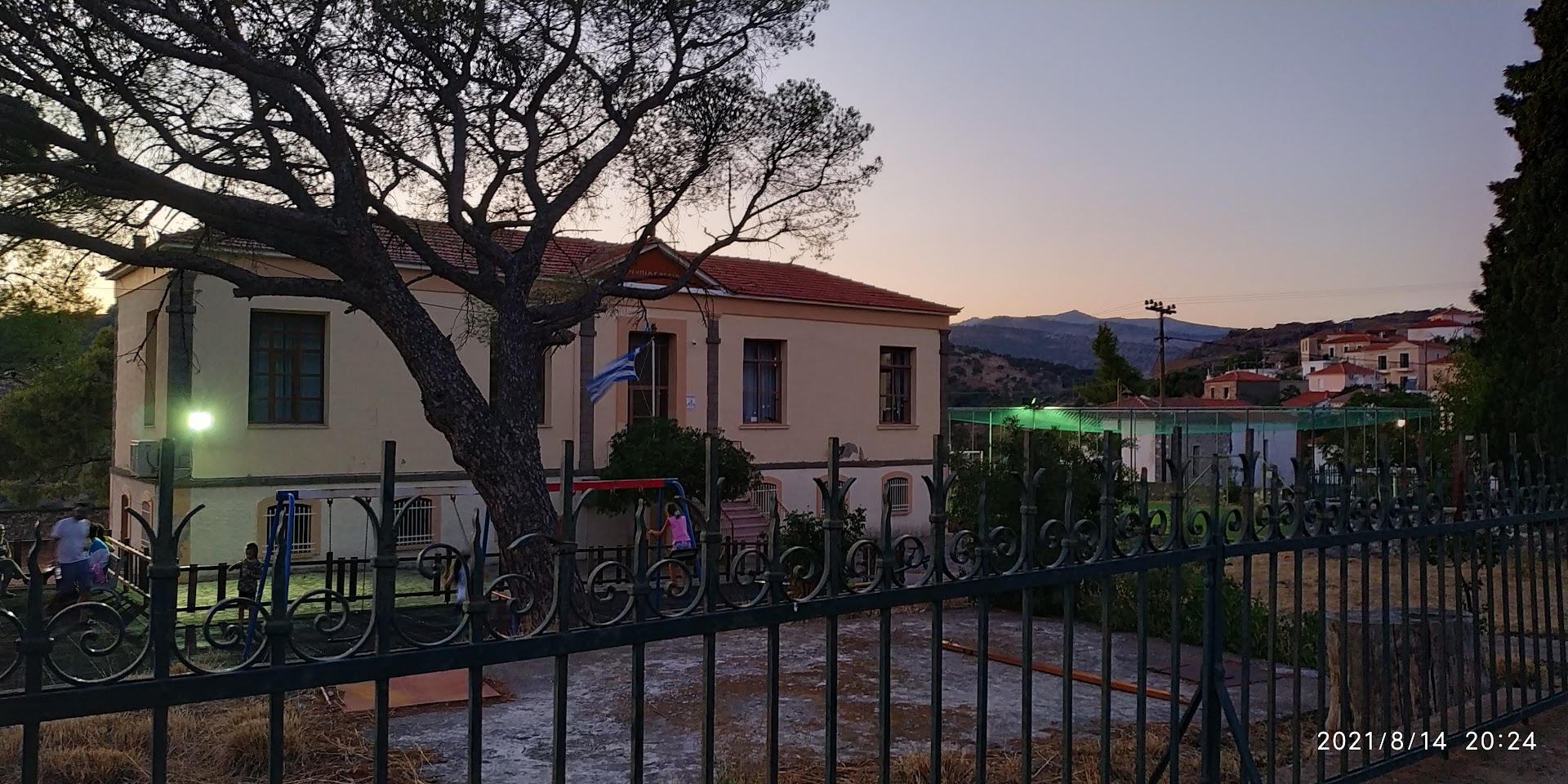
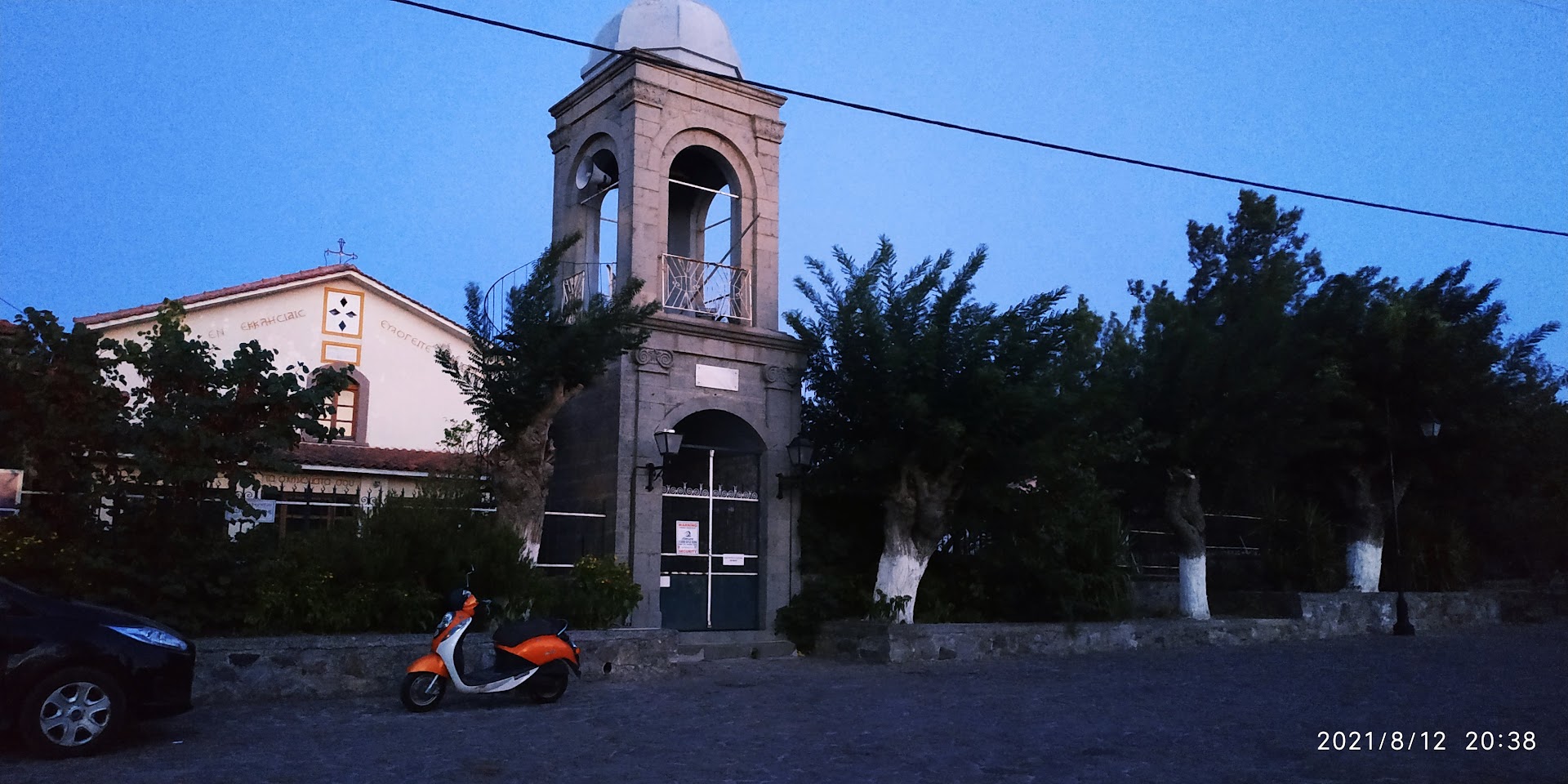
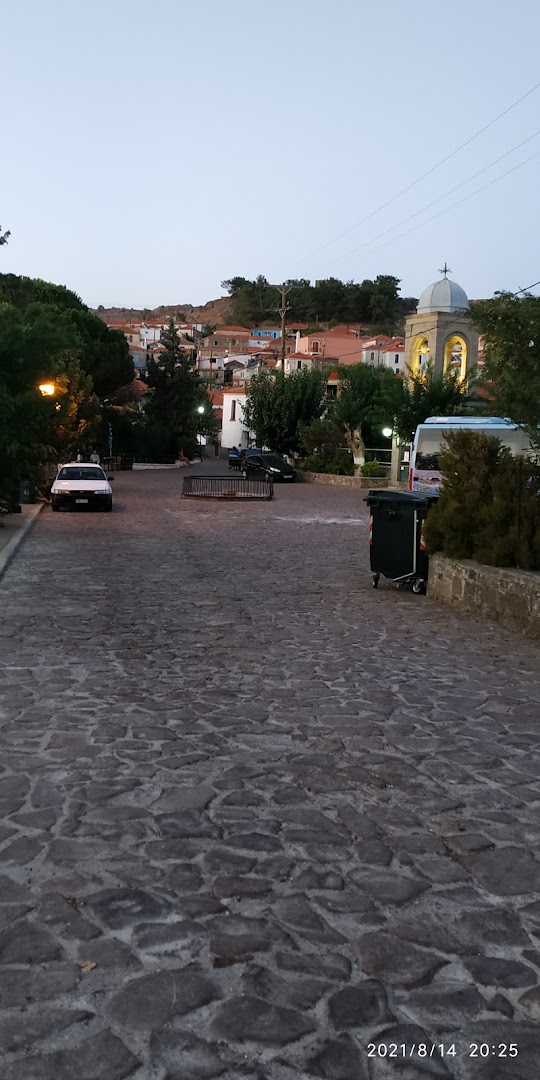
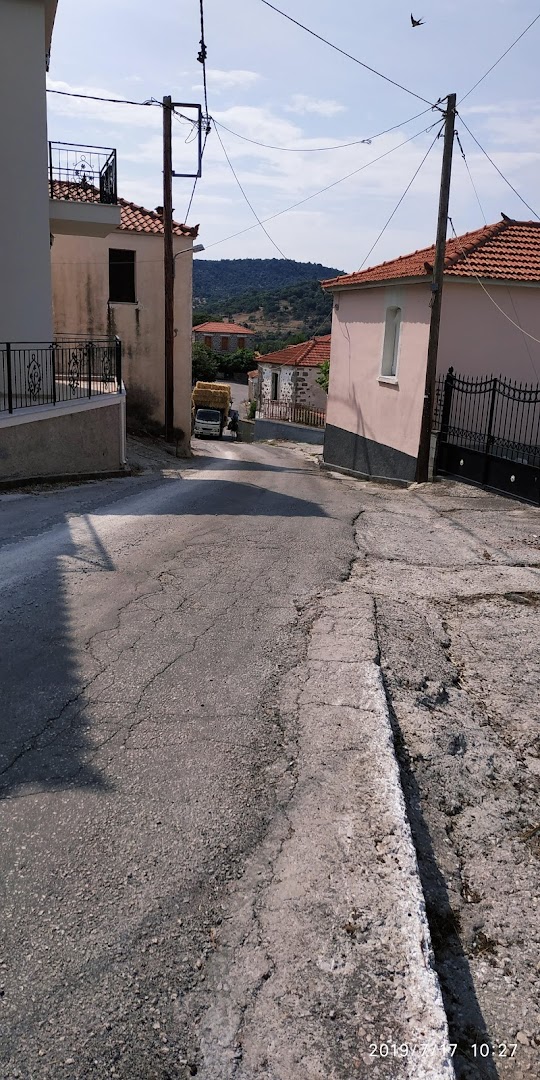
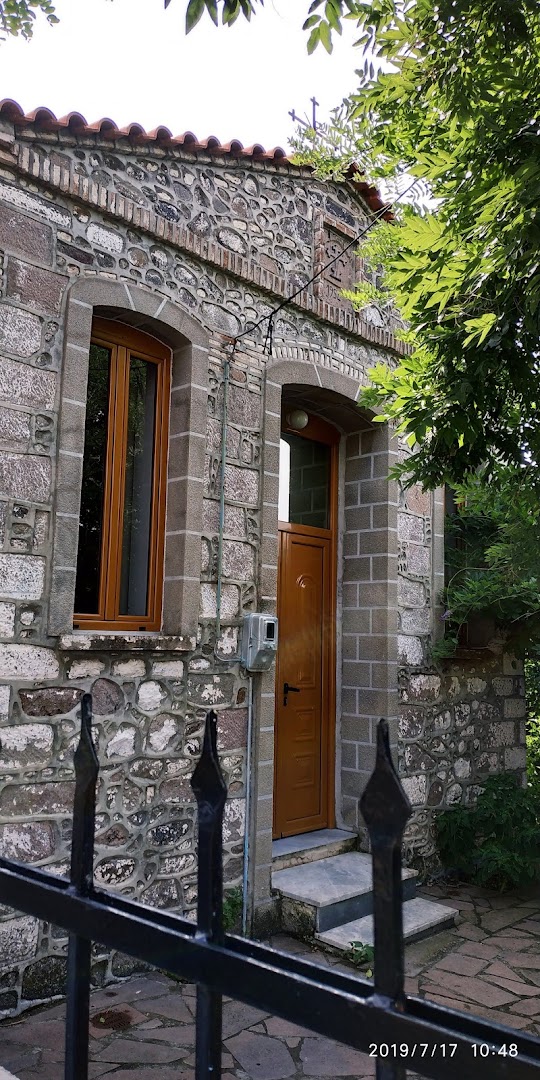
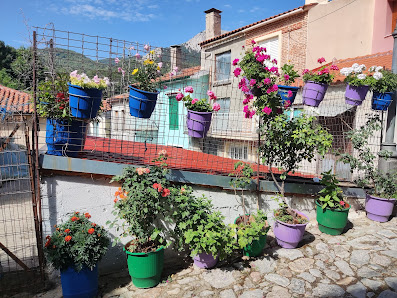
Visitors who make the effort to reach Napi are rewarded with an authentic glimpse of village Greece largely untouched by mass tourism. The settlement retains its traditional architectural character, with stone-built houses and a central plateia where life moves at a gentler pace. The surrounding countryside is well suited to walking and exploring on foot, with rural paths winding through olive and pine-covered hillsides that reward those who wander with solitude and natural beauty. The elevated position provides clean air and broad horizons that contrast refreshingly with the bustle of the coast.
Napi exemplifies the resilience and continuity of Lesbian rural culture. Seasonal festivals tied to the Orthodox calendar bring the community together and offer visitors a chance to experience genuine local hospitality and traditions. The village's quiet persistence — sustaining a living community across generations in a challenging agricultural landscape — is itself part of what makes it worth seeking out. For travellers looking to move beyond Lesvos's beaches and better-known towns, Napi offers a grounding counterpoint: a place where the island's deeper rhythms of land, labour, and community remain clearly visible.
Before you go
What to expect
Napi rewards a slow arrival — stone houses grouped around a shaded plateia, the scent of olive wood in the air, and hillside views that open wide across the agricultural interior. At 167 metres you feel the elevation in the quality of the light and the quiet, broken mainly by the rustling of olive leaves. Walk the paths that wind through the groves and you will go most of a morning without seeing another tourist.
Best time to visit
Late spring (May–June) and early autumn (September–October) are best for walking the surrounding paths; the inland village stays warm in summer but far quieter than the coast.
How to get there
Napi is in the northern interior, roughly 30 km from Mytilene as the crow flies — allow around 45–50 minutes by car along the inland roads. Having your own vehicle gives you the most flexibility, as there is no regular tourist service.
Top-Rated in Napi
Highest-rated places chosen by visitors
attraction
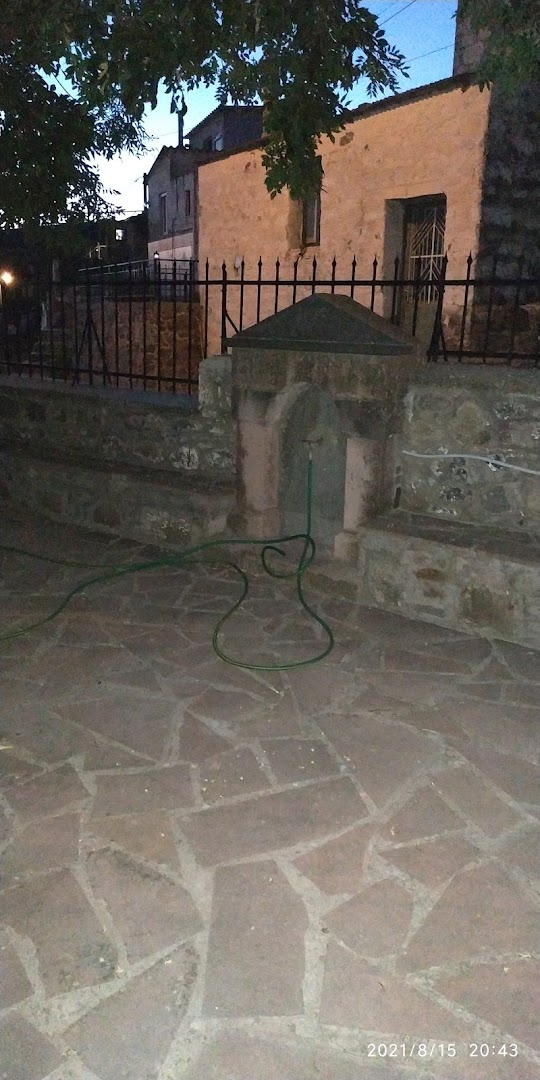
Napi Fountain
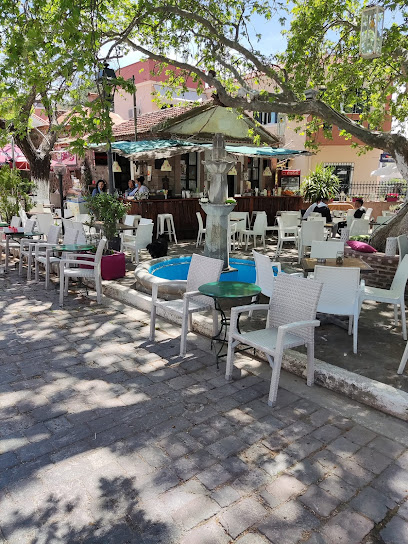
A beautifully crafted fountain in Napi village designed with circular economy principles, blending traditional local artistry with sustainable practices. The fountain stands as a charming symbol of the region's cultural identity while respecting environmental values. Popular with families and visitors exploring the village.
restaurant
Napi Kafeneion
Traditional kafeneion in the heart of Napi village offering authentic Greek hospitality and local atmosphere. Known for excellent small plates, wine, and beer selection with outdoor seating. A perfect spot for both lunch and dinner, ideal for experiencing authentic village life.
attraction
Kremastis Bridge
A beautifully maintained stone arch bridge spanning a scenic gorge near Napi, surrounded by countryside views. The bridge serves as a gateway to several hiking trails in the region, making it ideal for nature enthusiasts. The charming structure offers photo opportunities and access to natural exploration routes.
Practical Info
Supermarket
Not found
Medical / Pharmacy
Not found
Petrol Station
Not found
ATM / Bank
Not found
Transport
Not found
Churches & Religious Sites
Άγιος Ιωάννης
Agios Ioannis
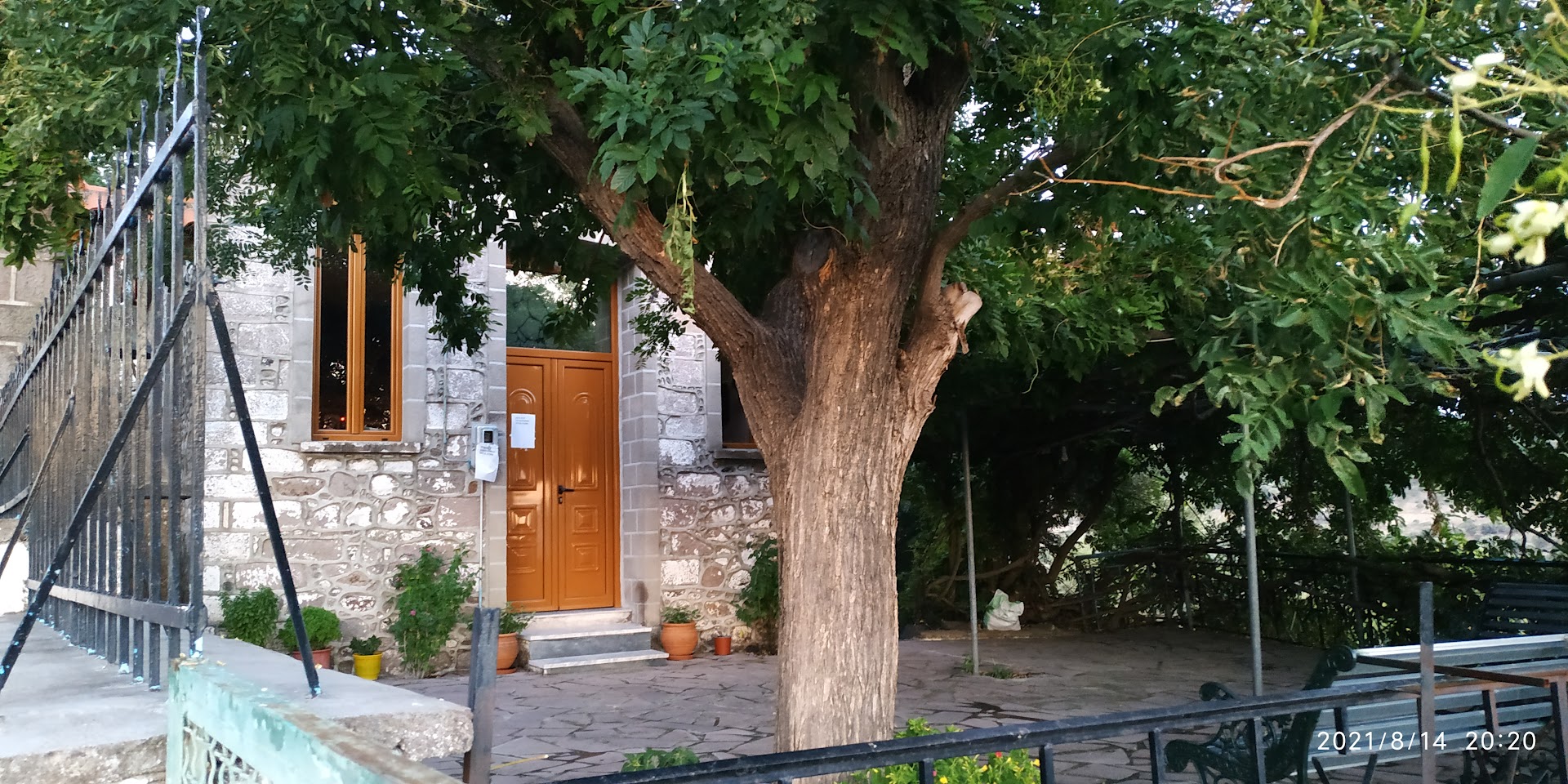
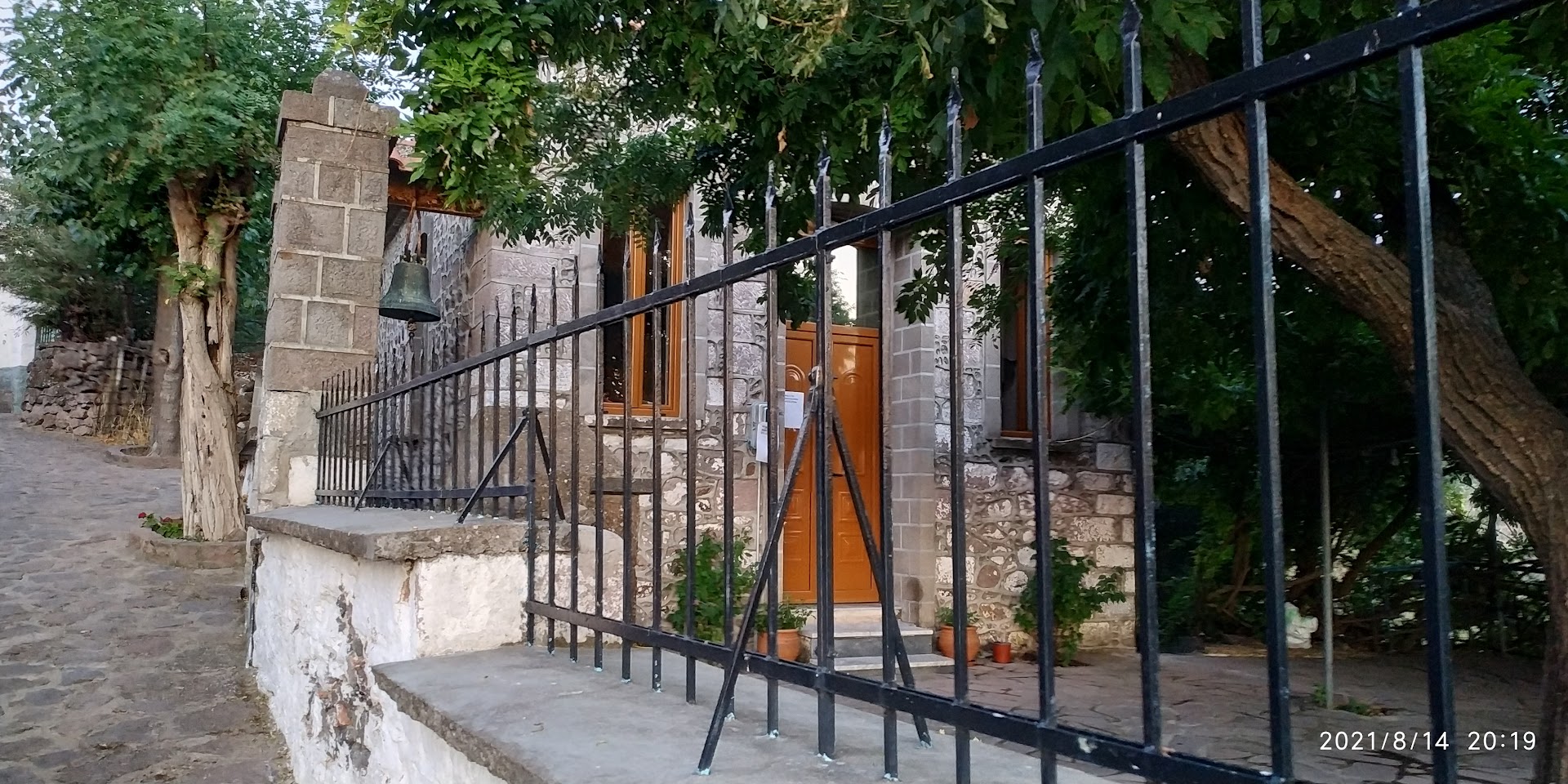
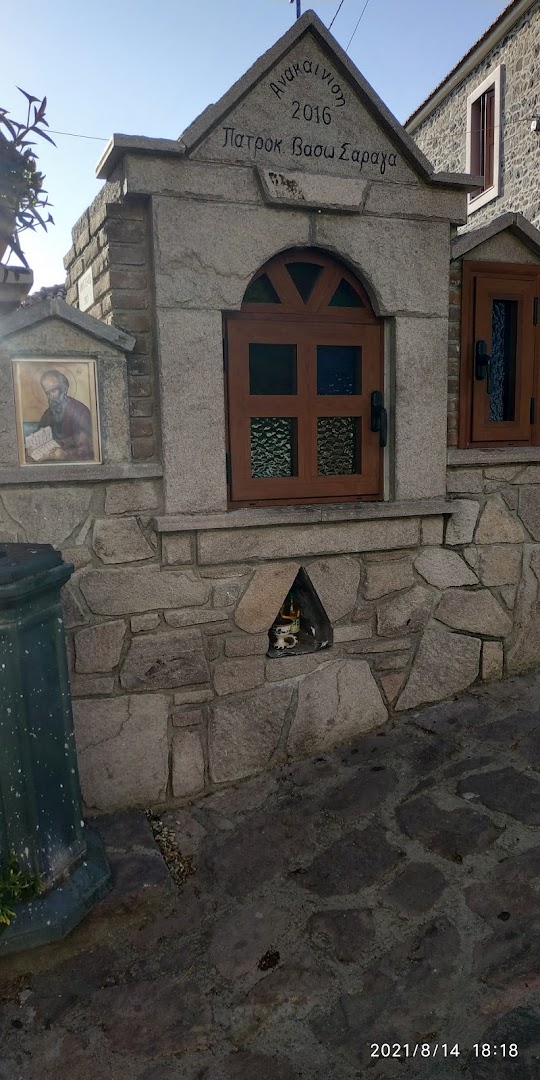
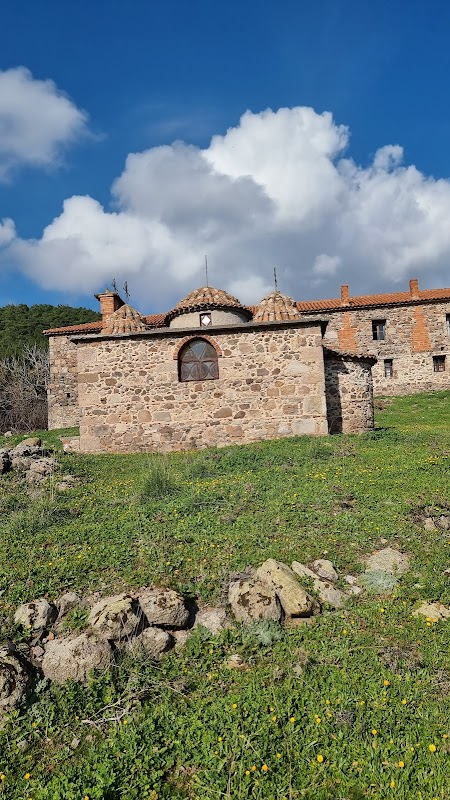
Tucked into the quiet landscape near the village of Napi in western Lesvos, the church of Agios Ioannis stands as one of the many modest yet deeply cherished Orthodox sanctuaries that punctuate the island's rural countryside. Dedicated to Saint John — most likely Saint John the Baptist, whose veneration is among the most widespread in the Greek Orthodox tradition — the church reflects the intimate scale of worship that has defined village religious life on Lesvos for centuries. Like so many of the island's rural churches, it likely follows the simple single-nave basilica form common throughout the eastern Aegean, its whitewashed walls and terracotta-tiled roof blending naturally into the surrounding olive groves and stone-terraced hillsides. For the inhabitants of Napi and the surrounding settlements, Agios Ioannis is far more than a building — it is a living center of communal identity. The feast of Saint John the Baptist, celebrated on June 24th, traditionally draws villagers together for a panigiri, the festive gathering of liturgy, music, and shared food that has bound rural Greek communities across generations. Inside, the iconostasis would typically hold locally painted icons following the Byzantine tradition, their gold leaf and deep ochres glowing softly in candlelight, offering worshippers a visual theology passed down through centuries of Aegean devotion. Visitors who venture off the main roads to seek out churches like Agios Ioannis are rewarded with an authentic glimpse into the spiritual fabric of Lesvos. The setting near Napi, a village that retains much of its unhurried character, offers a sense of stillness that is increasingly rare. Whether you arrive during a feast day to witness the warmth of local celebration or simply pause in the shade of the churchyard on a quiet afternoon, Agios Ioannis embodies the enduring relationship between faith, landscape, and community that gives the island so much of its soul.
Gallery & Videos
Captured a memorable moment in Napi?
Nearby
Beaches
Pedi Beach
8 km away
Lagada
10.6 km away
Geni Limani Kapis Beach
10.8 km away
Paralia Kagia
11.7 km away