


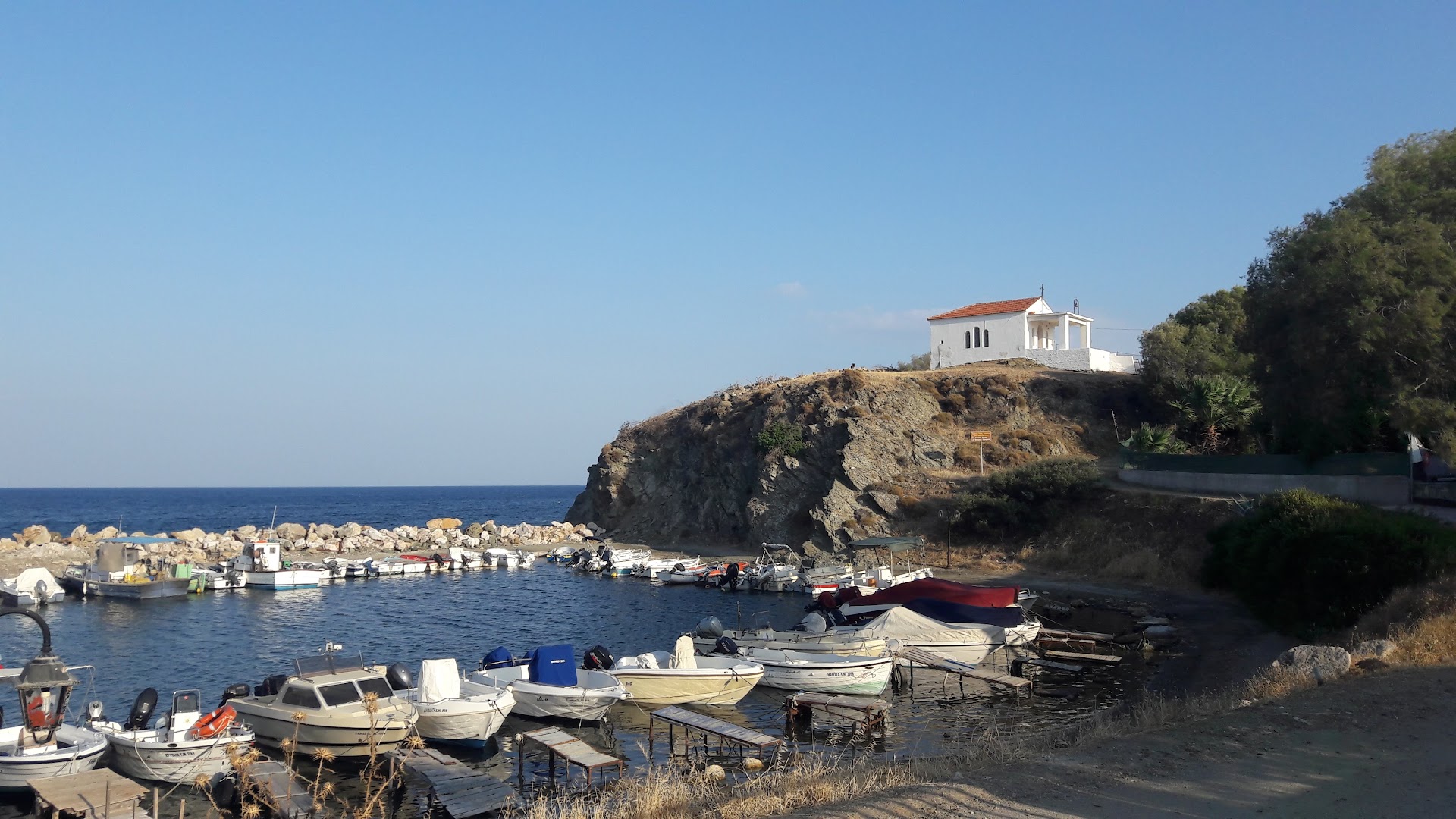
Άγιος Φωκάς
Agios Fokas
Population
16
Elevation
11m
Municipality
Polichnitos
Postal Code
813 00
From Mytilene
34.6 km
Nearest Beach
Agios Fokas Beach 3
Overview
Agios Fokas is one of Lesvos's most intimate coastal hamlets, a sliver of traditional island life nestled near sea level on the eastern side of the island. With a permanent population of just sixteen souls, this is a place that belongs to another pace entirely — where the rhythms of fishing and small-scale agriculture still shape daily existence much as they have for generations. The village takes its name from Saint Phocas, a beloved figure in Orthodox tradition venerated as patron of sailors and gardeners, a fitting dedication for a community that has long drawn its livelihood from both sea and land.
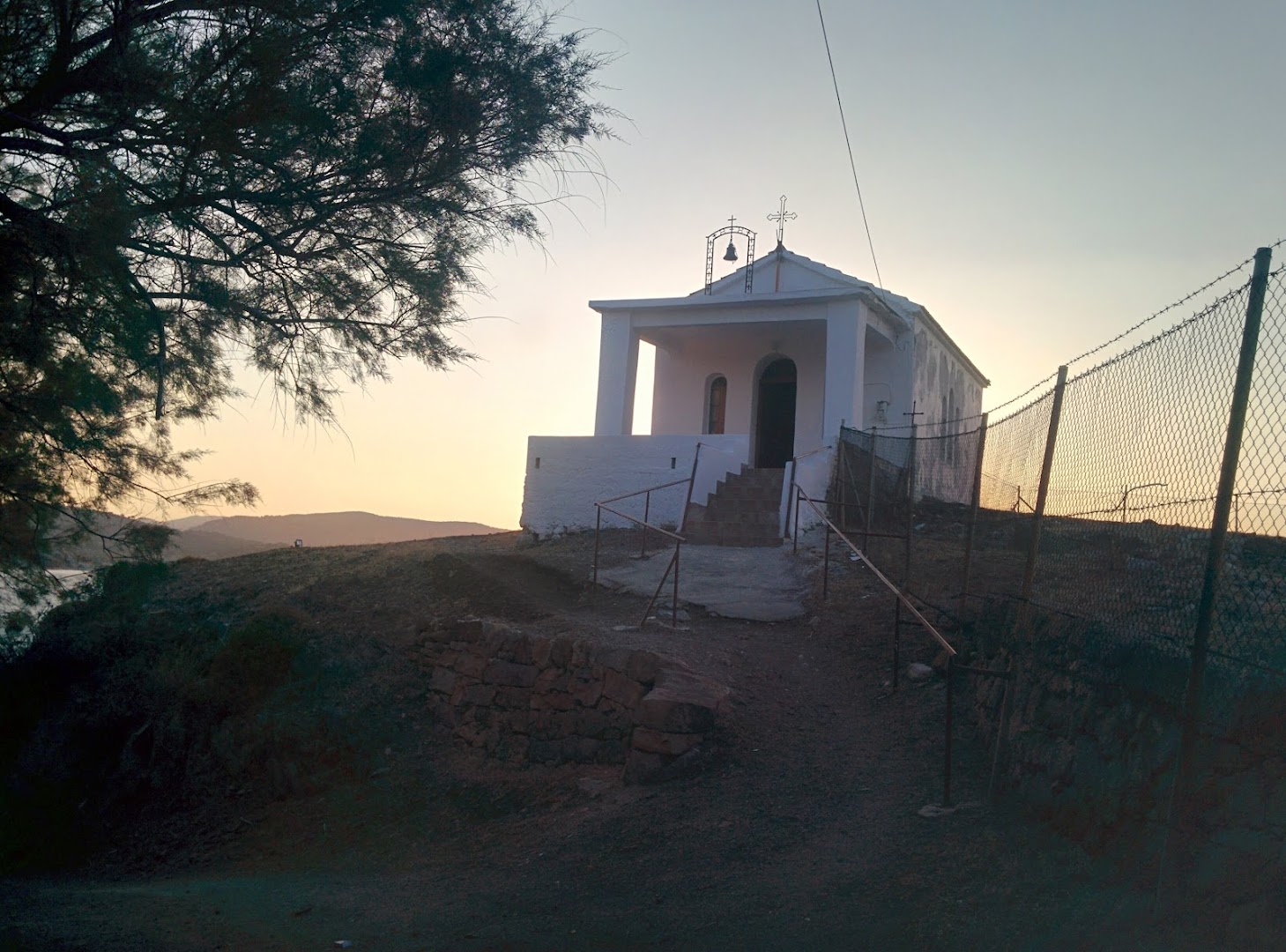
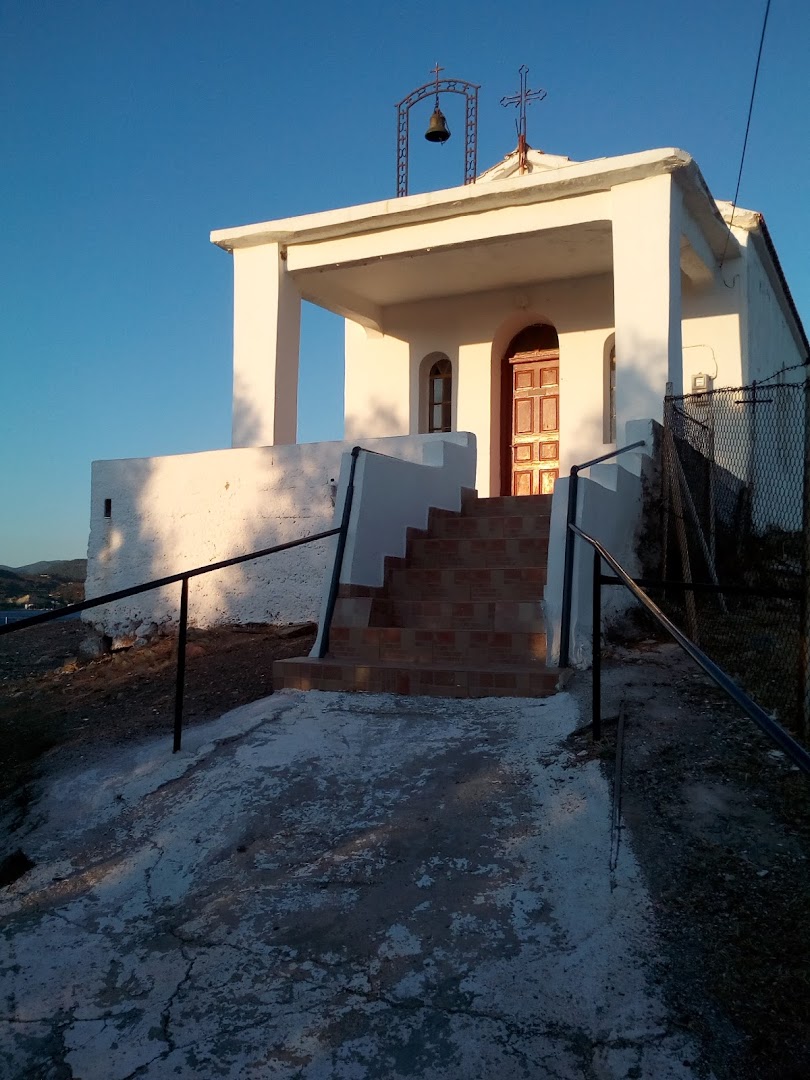
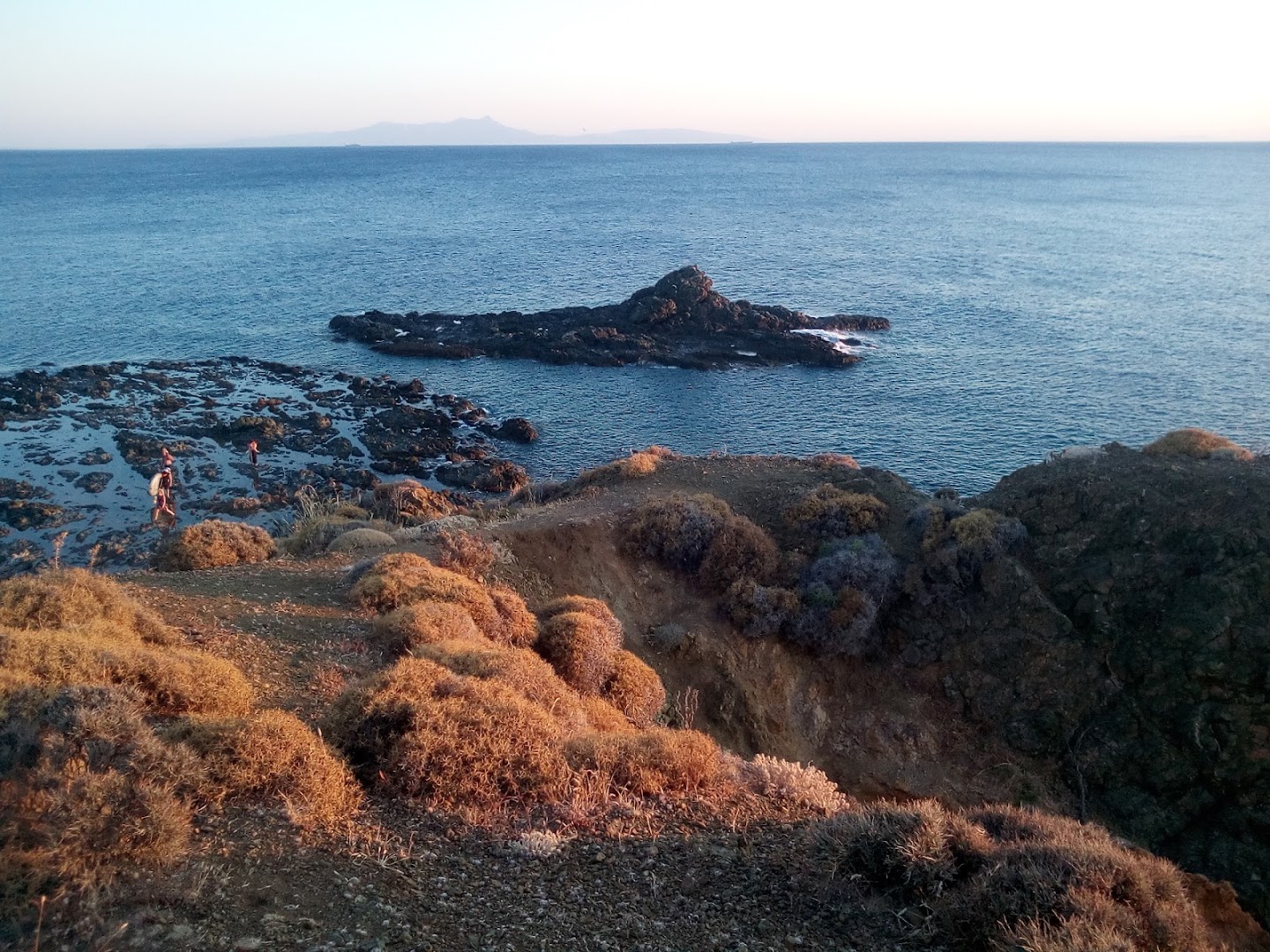
Despite its modest size, Agios Fokas carries the quiet dignity common to Lesvian villages that have never needed to seek attention. A small chapel dedicated to the village's namesake saint serves as the spiritual and social heart of the community, and the local name day celebration draws together residents and visitors in the timeless way of Greek religious festivals. The surrounding landscape reflects the island's characteristic duality: silvery olive groves reaching inland and the deep blue of the Aegean just steps away, with the gentle elevation of eleven metres placing the village almost flush with the water's edge.
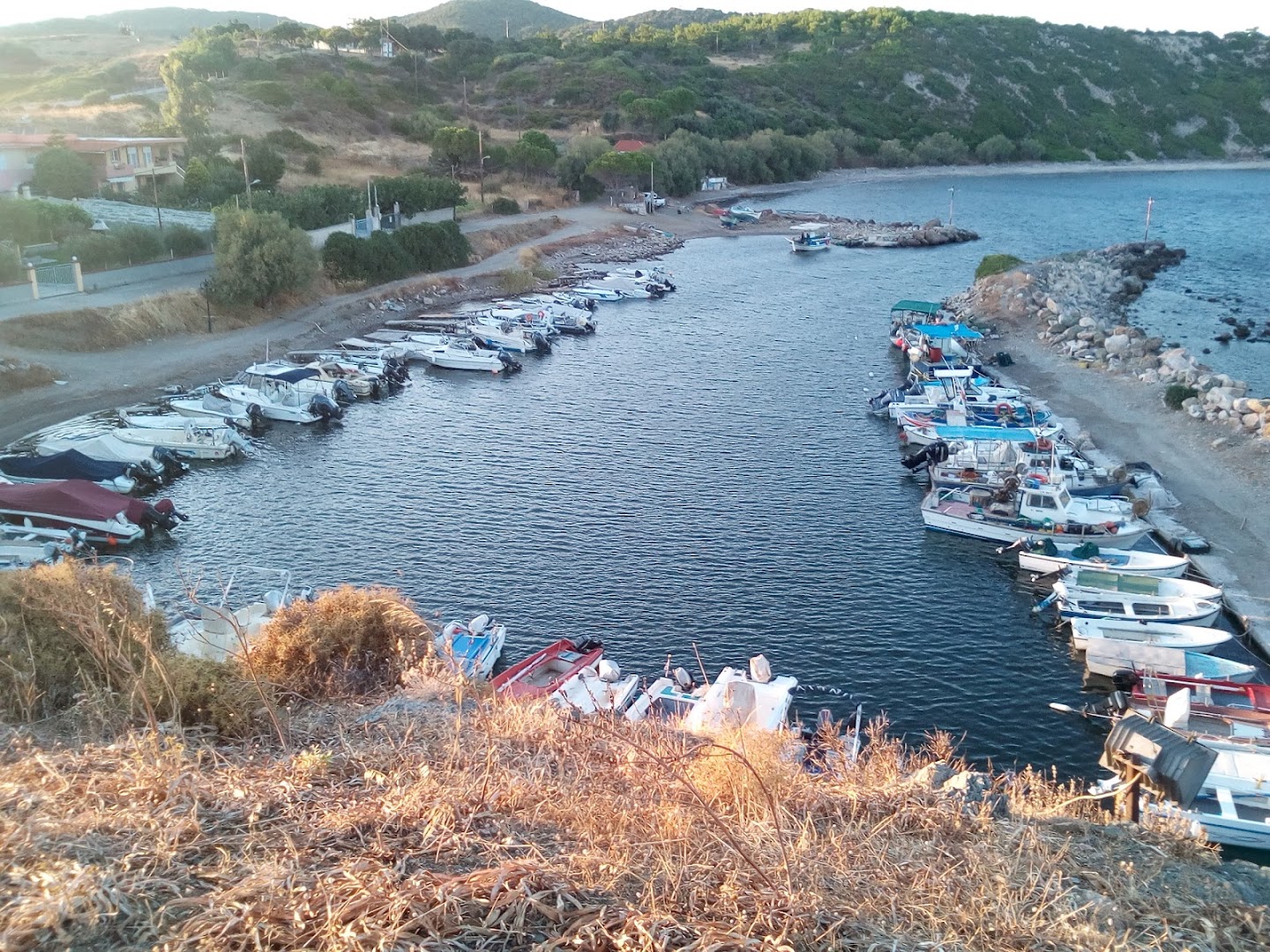
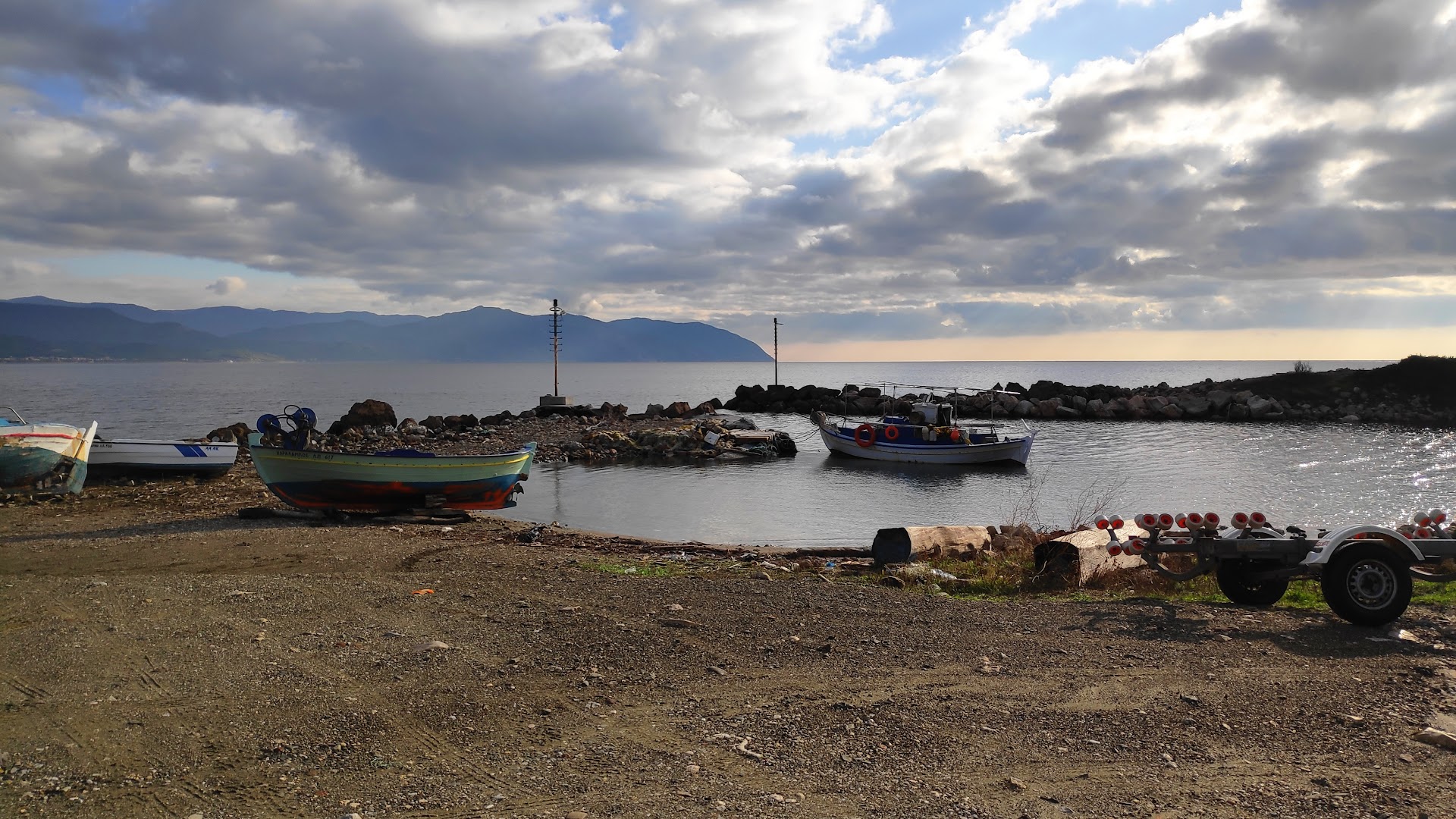
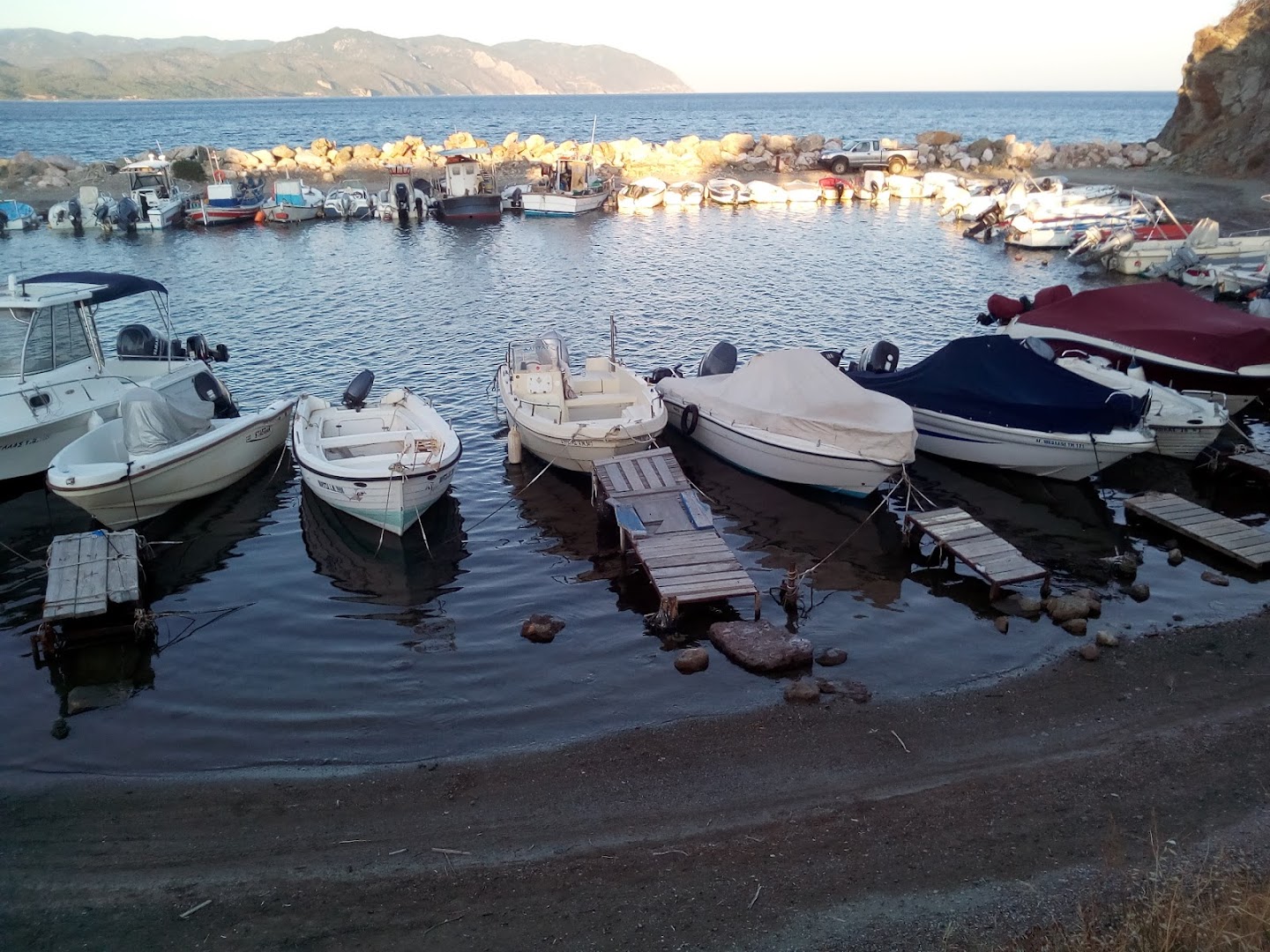
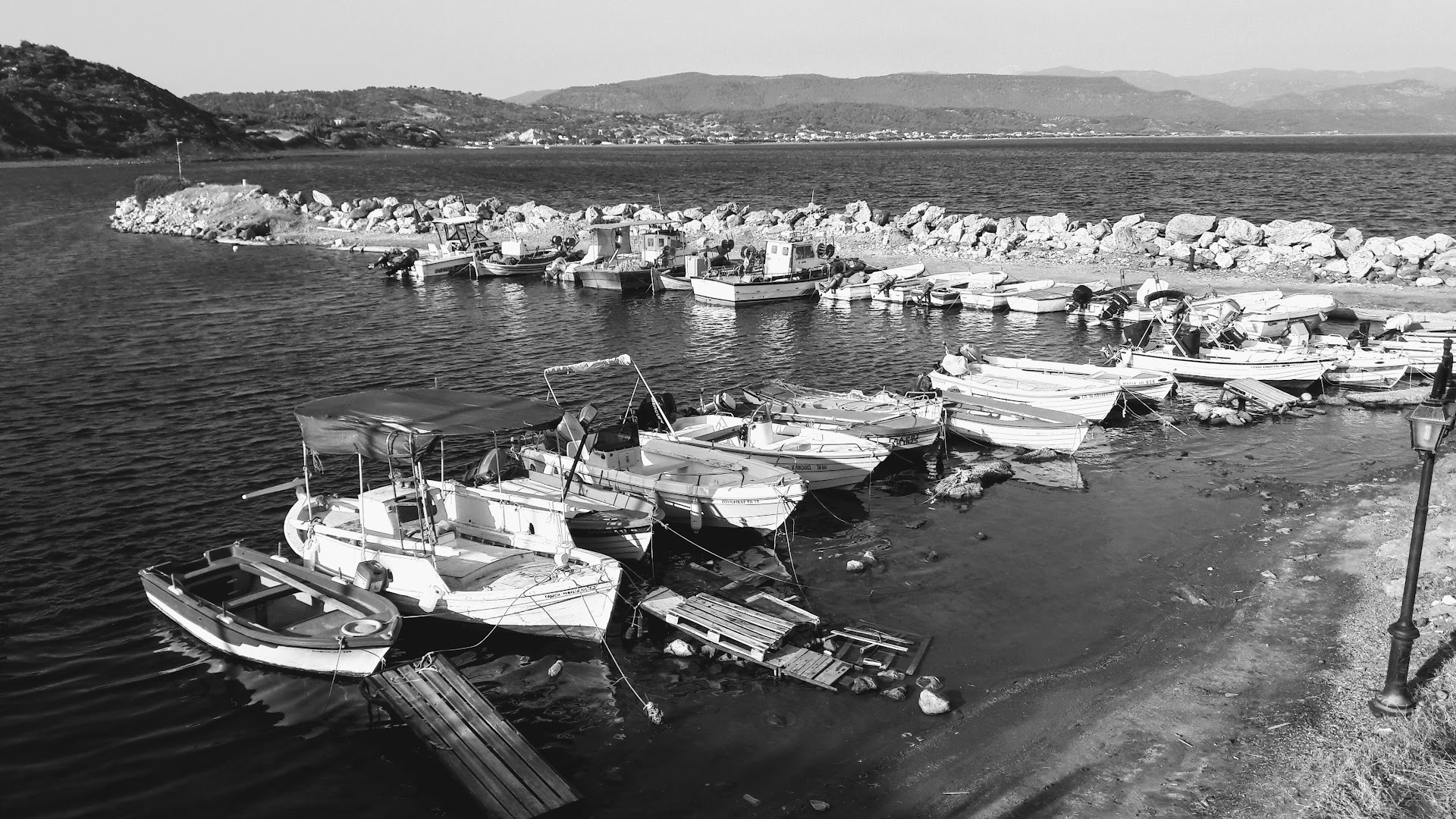
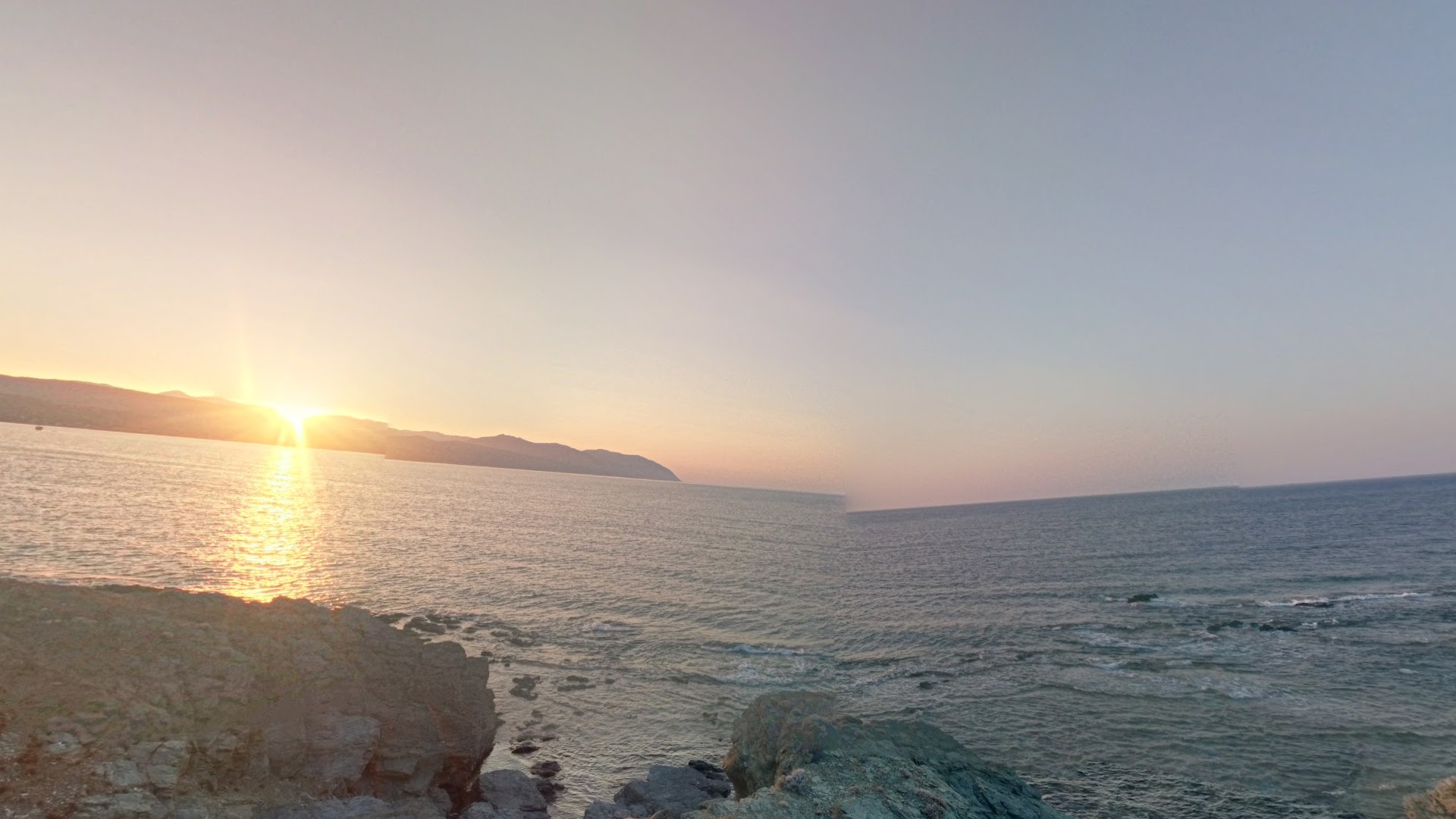
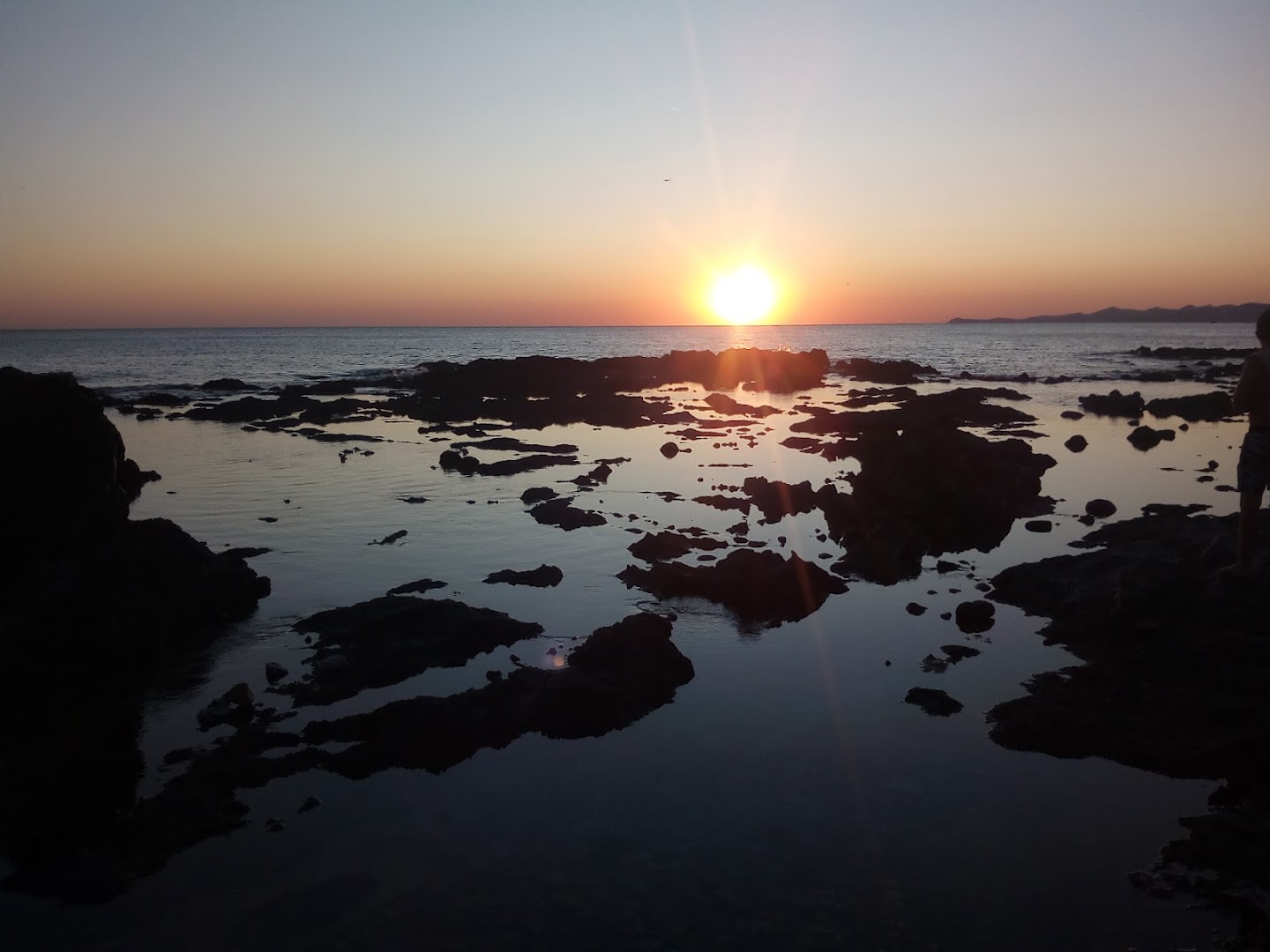
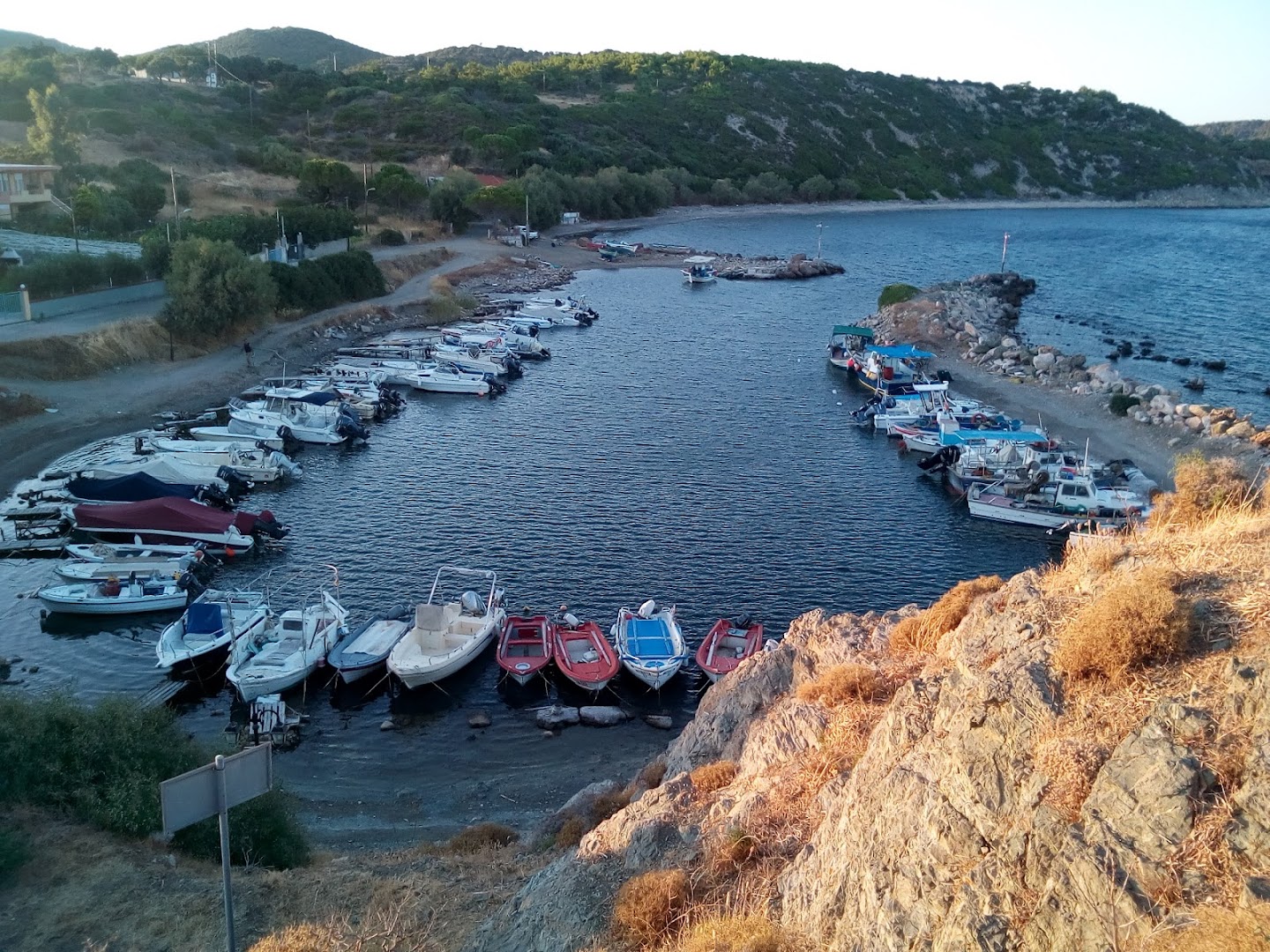
For visitors, Agios Fokas offers something increasingly rare in the Mediterranean — genuine quietude. The proximity to Mytilene, Lesvos's vibrant capital, means that the full range of the island's amenities is never far, yet here one can experience the unhurried atmosphere of a working Greek coastal settlement. Fishermen still bring in their catch, cats patrol the waterfront with proprietary ease, and the light on the water in the late afternoon carries that particular Aegean quality that has drawn artists and travellers to this island for centuries. It is a place to pause, not simply to pass through.
Before you go
What to expect
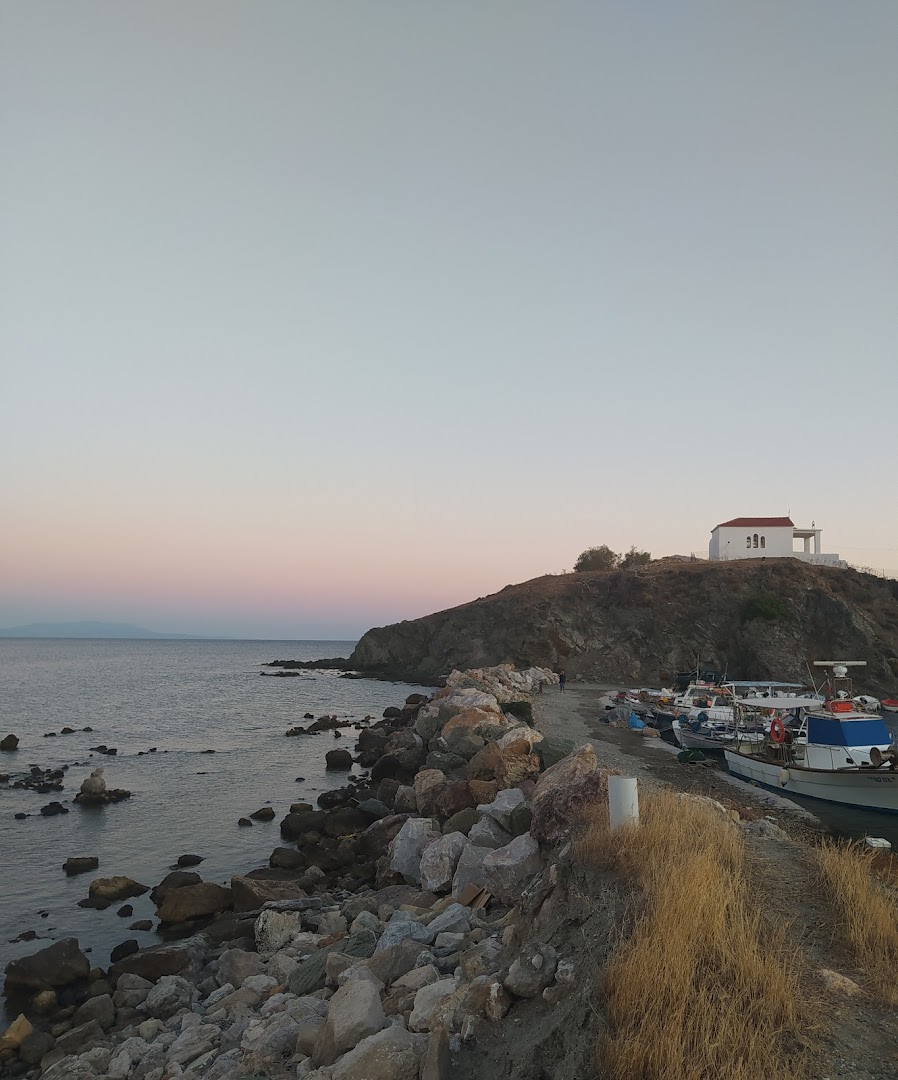
With only sixteen permanent residents, Agios Fokas feels like a working coastal village that has never courted outside attention — fishing boats sit close to shore, cats claim the waterfront, and the small chapel of Saint Phocas anchors the community's rhythm. The sea is practically at your feet while olive groves begin just steps inland, and the afternoon light on the water here has a particular stillness that makes it easy to linger far longer than planned.
Best time to visit
Late spring through early autumn is most pleasant; the name day of Saint Phocas brings a small but genuinely festive gathering that briefly fills the village with warmth.
How to get there
From Mytilene, Agios Fokas is roughly 35 kilometres away on the eastern coast — the winding island roads make the drive closer to 45 minutes, so allow a little extra time.
Top-Rated in Agios Fokas
Highest-rated places chosen by visitors
attraction
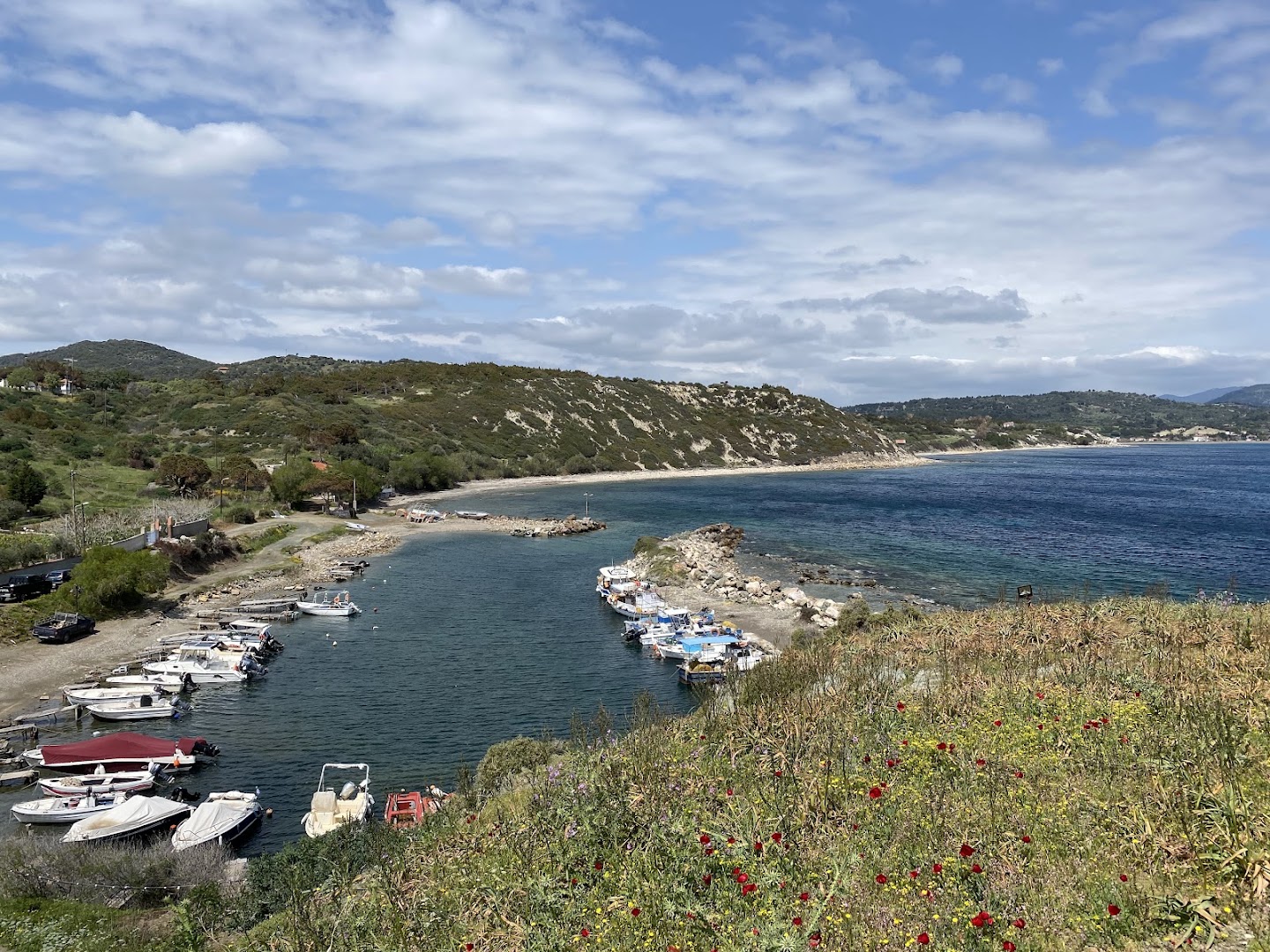
Agios Fokas Harbor
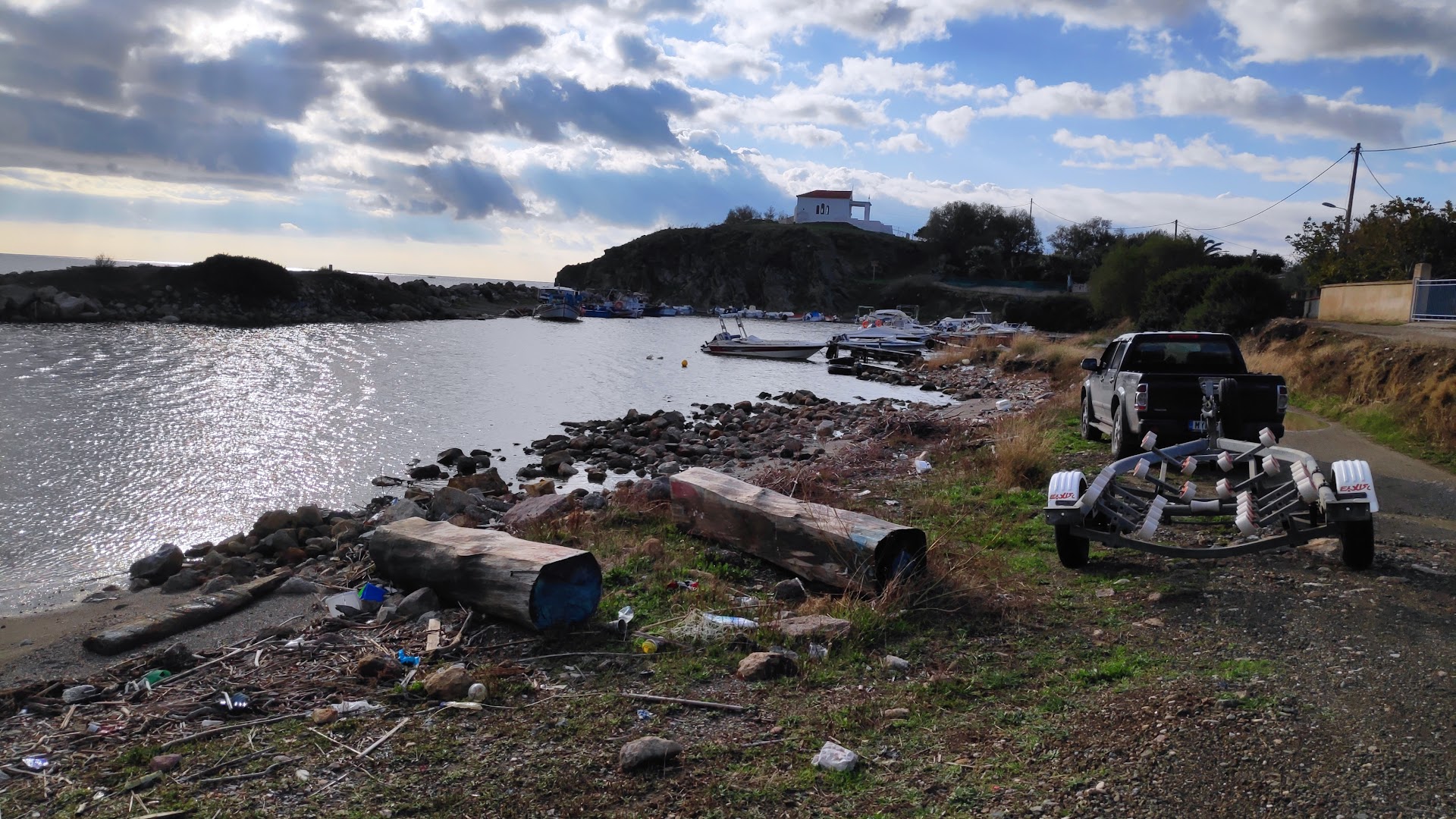
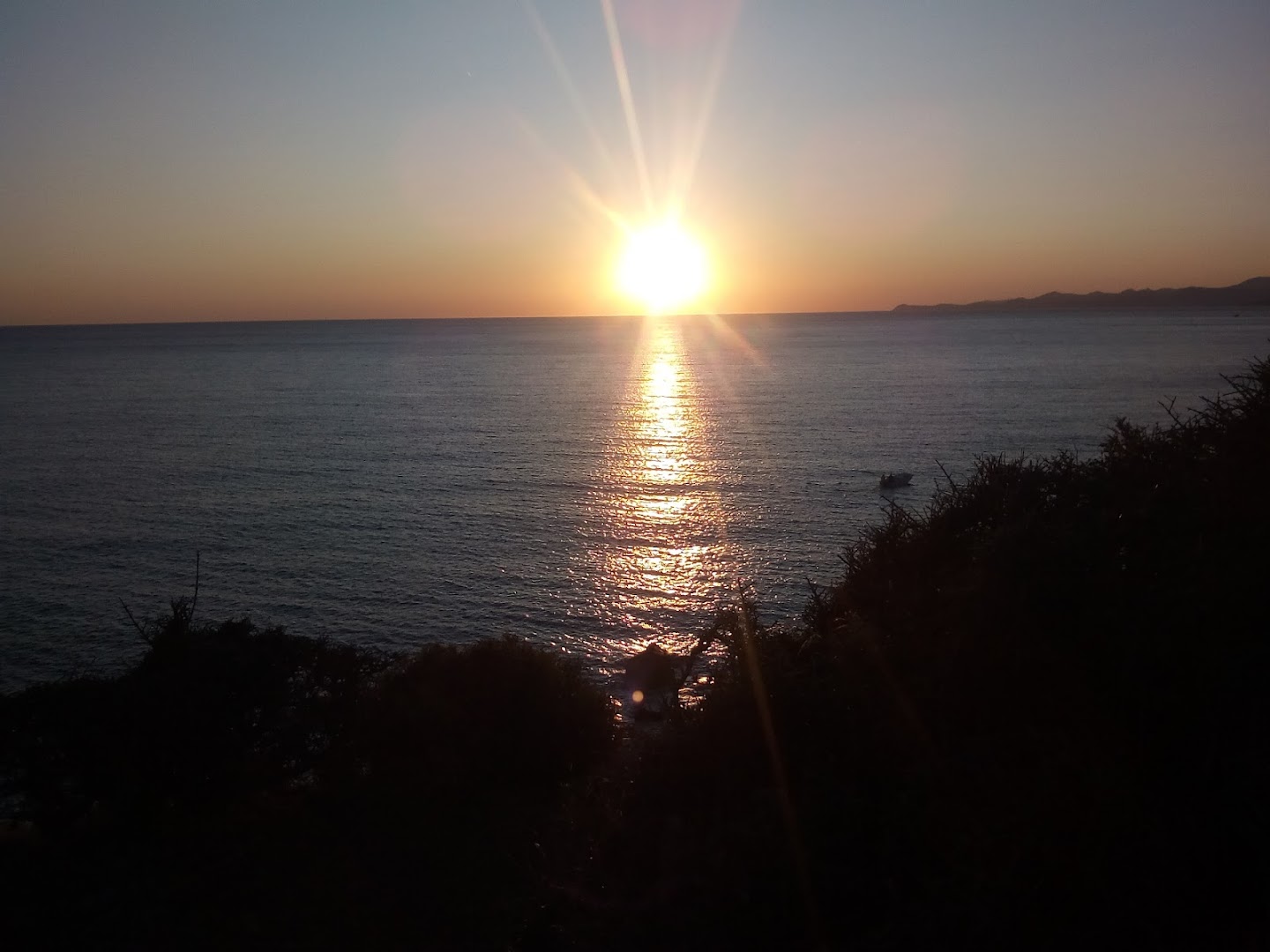
A charming waterside harbor at the heart of Agios Fokas village, offering scenic coastal views and maritime character. This peaceful spot features traditional fishing activity and serves as a focal point for the local community. Ideal for sunset views and experiencing the authentic seafaring heritage of this traditional Lesvos settlement.
attraction
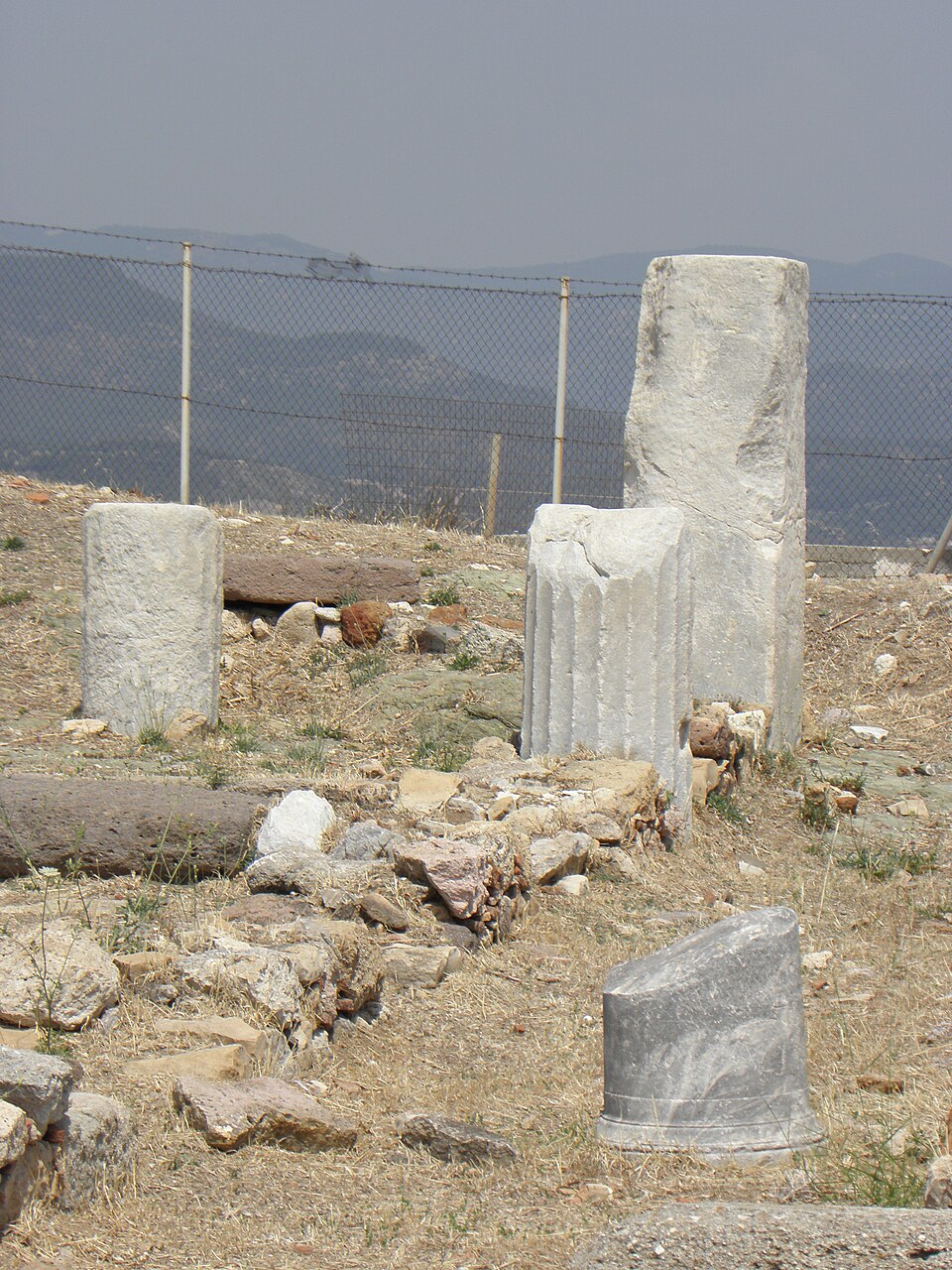
Ancient Temple of Dionysus
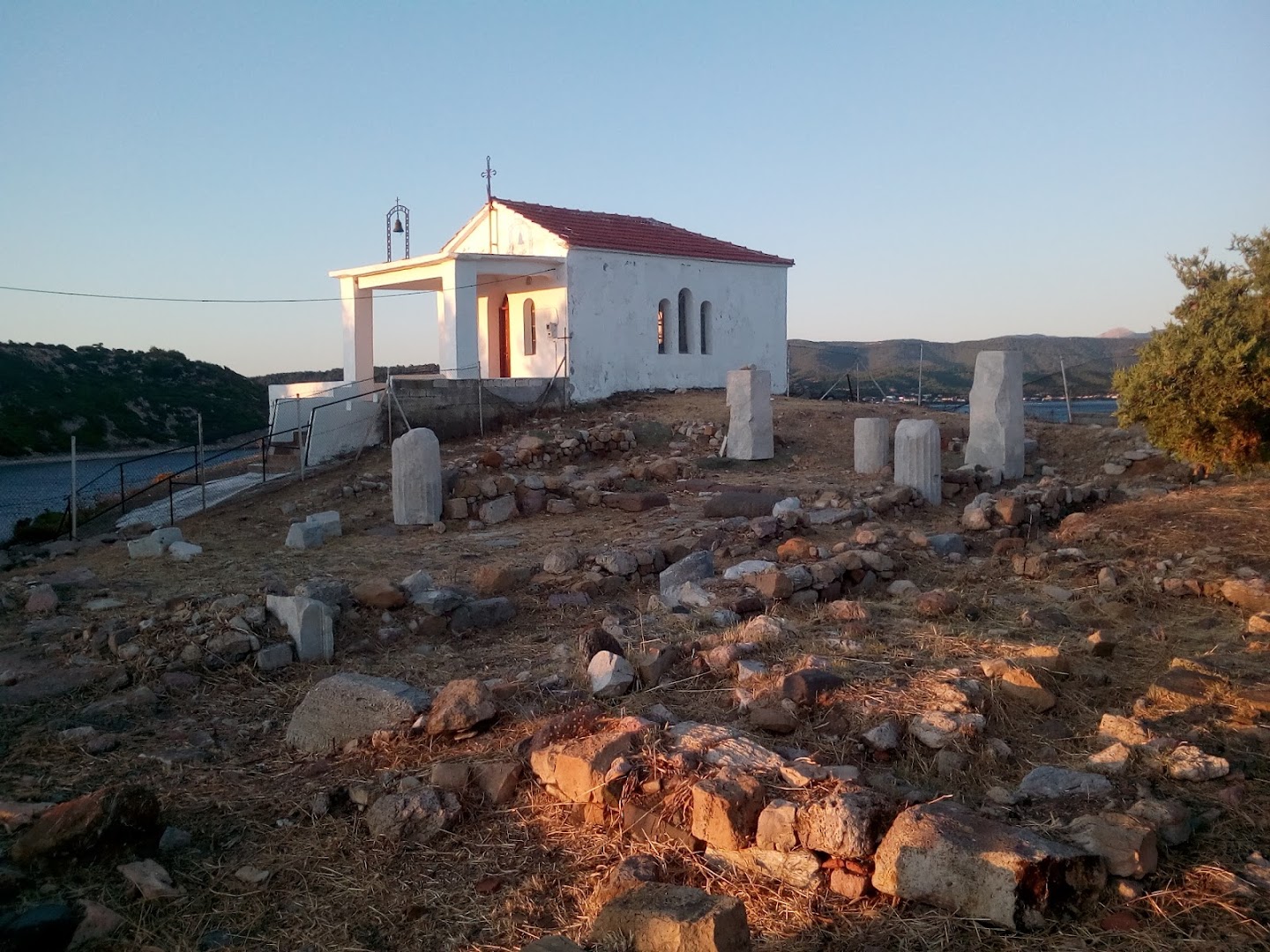
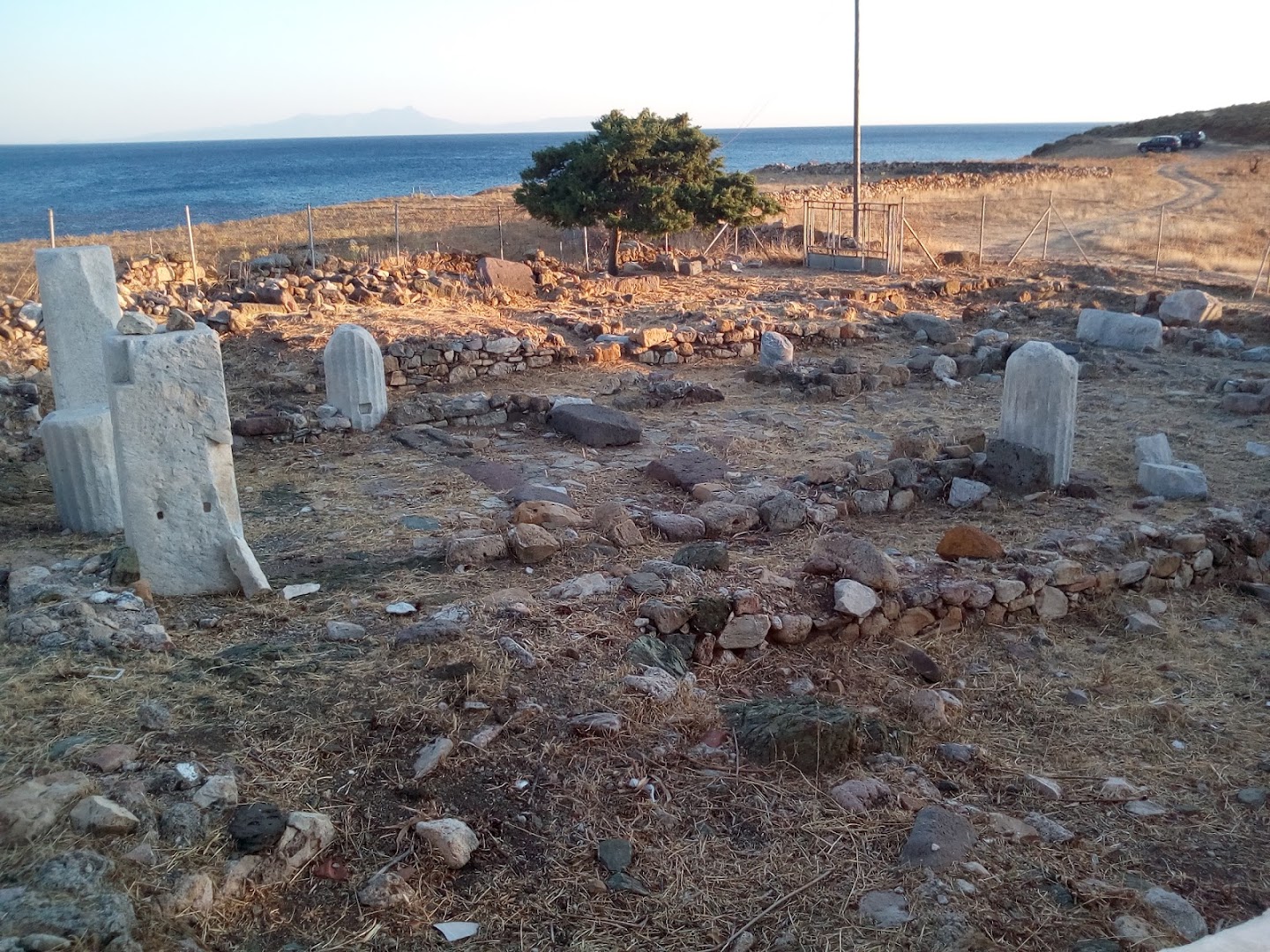
A significant archaeological site featuring the ruins of an ancient temple dedicated to Dionysus, the classical god of wine and celebration. Located in Agios Fokas, this historical monument offers insight into the region's Greco-Roman heritage and strategic coastal importance. The site provides stunning sunset views and a tangible connection to Lesvos' ancient past.
restaurant
Akrotiri Fish Tavern
Perched along the eastern shoreline near the quiet cove of Agios Fokas, Akrotiri Fish Tavern brings together the two things Lesvos does best: fresh seafood and unhurried hospitality. The eastern coast of the island has long supported a tradition of small-scale fishing, and tavernas like this one have for generations served as the natural endpoint of that journey from sea to table. Sitting just outside Mytilene, it offers an easy escape from the island's capital into a more relaxed, seaside rhythm. Guests can expect the kind of menu that changes with the catch — grilled whole fish, calamari, prawns, and the classic mezedes that accompany an ouzo or a carafe of local white wine. The setting near Agios Fokas means the taverna likely enjoys views over the water, making it a particularly rewarding spot at sunset when the Aegean takes on its famously golden cast. Whether you come for a leisurely long lunch or an evening meal, the atmosphere is welcoming and unfussy in the way the best Greek fish restaurants always are. For visitors exploring Lesvos beyond the main tourist circuits, Akrotiri Fish Tavern represents exactly the kind of local gem worth seeking out. The eastern coastline around Agios Fokas is quieter than the more visited beaches to the north, and pairing a swim with a seafood meal here makes for a deeply satisfying afternoon on the island.
Practical Info
Supermarket
Not found
Medical / Pharmacy
Not found
Petrol Station
Not found
ATM / Bank
Not found
Transport
Not found
Churches & Religious Sites
Αγ. Αικατερίνη
Ag. Aikaterini
The Church of Agia Aikaterini, nestled near the quiet coastal settlement of Agios Fokas on Lesvos's eastern shore, is dedicated to Saint Catherine of Alexandria, one of the most beloved and widely venerated saints in the Eastern Orthodox tradition. Saint Catherine, a learned young woman who according to tradition faced martyrdom for her Christian faith and her refusal to renounce it before the Roman emperor, became a symbol of wisdom, courage, and spiritual steadfastness. Her cult spread throughout the Byzantine world, and churches bearing her name are found across Greece and the broader Orthodox Christian lands, each serving as a local anchor of devotion to her memory. The feast day of Agia Aikaterini is celebrated on the 25th of November, a day that draws faithful from surrounding villages for liturgy, candlelight, and the warmth of communal prayer. The church itself is characteristic of the vernacular ecclesiastical architecture found throughout rural Lesvos — a modest whitewashed structure with a low-pitched roof, arched doorway, and a small bell tower that rings out across the olive groves and hillside terraces. Inside, visitors typically find the intimate, icon-rich interior that defines the Greek Orthodox sacred space: a carved wooden iconostasis separating the nave from the sanctuary, oil lamps casting a golden glow over the gilded icons, and the mingled scent of beeswax and incense that pervades these ancient village chapels. Murals or frescoes, whether old or more recently restored, often depict scenes from the life and martyrdom of the saint alongside the Theotokos and the Pantocrator. For the community of Agios Fokas and the surrounding hamlets, this church represents far more than a building of historical or artistic interest. It is a living place of worship, gathering point for feast days and family milestones, and a spiritual landmark that anchors local identity to a centuries-old Christian heritage. Visitors who seek it out are rewarded not only with the tranquility of its rural eastern Lesvos setting but with a genuine sense of the devotional continuity that runs through even the smallest and most unassuming of the island's sacred places.
Αγ. Πάντες
Ag. Pades
Tucked into the quiet landscape near the coastal settlement of Agios Fokas, the small Orthodox chapel of Ag. Pades is one of those unassuming rural sanctuaries that reveal themselves only to those willing to wander off the main roads of Lesvos. Like so many chapels scattered across the Aegean islands, it bears witness to the deep faith that has shaped village life here for centuries, serving as a focal point for the spiritual and communal identity of the surrounding community. Its modest exterior, typical of vernacular island ecclesiastical architecture, gives way to an intimate interior where the filtered light and the scent of beeswax candles create an atmosphere of quiet devotion. Inside, visitors will find the characteristic elements of a Greek Orthodox country chapel: a wooden iconostasis separating the nave from the sanctuary, oil lamps casting a warm glow over painted icons, and walls that carry the prayers of generations of local worshippers. Though not a large or grand structure, chapels of this kind are often the site of the most heartfelt religious observance on the island, with the community gathering on the feast day of the church's patron to celebrate the liturgy, share food, and maintain bonds that stretch back through family lines across many generations. For the traveler, Ag. Pades offers something that the more visited monuments of Lesvos cannot always provide: a genuine encounter with living Orthodox tradition in its everyday, village-scale expression. The setting near Agios Fokas, with the gentle rhythms of rural Lesvos surrounding it, makes a visit here a moment of genuine stillness. Those who arrive respectfully dressed and at a quiet hour are often welcomed with the warmth characteristic of the islanders, and may find that this small chapel, unmarked on most tourist maps, lingers in memory longer than many a grander sight.
Άγιος Φωκάς
Agios Fokas
Perched in the quiet coastal settlement that shares its name, the church of Agios Fokas is dedicated to Saint Phocas of Sinope, a beloved martyr of the early Christian church who holds a special place in the hearts of seafaring communities throughout the Aegean. Saint Phocas is traditionally venerated as the protector of sailors and gardeners, and his presence here, in a village where generations of fishermen have launched their boats into the eastern waters of Lesvos, feels entirely fitting. The church serves as the spiritual anchor of this small community, and its feast day draws locals and visitors alike to share in the warmth of Orthodox celebration. Like many village churches scattered across Lesvos, Agios Fokas reflects the unpretentious vernacular ecclesiastical architecture of the Aegean islands, with whitewashed walls, a modest bell tower, and an interior that rewards quiet contemplation. Inside, the iconostasis screens the sanctuary in the traditional manner, and the oil lamps cast their amber glow over devotional icons that connect worshippers to centuries of unbroken faith. The intimate scale of the church speaks to its role as a community gathering place rather than a monument, a living space where baptisms, name-day celebrations, and memorial services continue to mark the rhythms of village life. For visitors, the church of Agios Fokas offers a gentle introduction to the enduring spiritual landscape of rural Lesvos. The surrounding village retains an unhurried character, and the nearby coastline provides the kind of unspoiled beauty that has defined this corner of the island for generations. Whether you arrive on the feast day of Saint Phocas to witness the candlelit procession and communal gathering, or simply step inside during a quiet afternoon to absorb the stillness, this modest church carries the authentic soul of Lesvos in a way that larger, more visited sites rarely can.
Προφήτης Ηλίας
Profitis Ilias
Perched in the landscape near the quiet coastal settlement of Agios Fokas, the church of Profitis Ilias follows a tradition as old as Christianity in Greece: the dedication of hilltop sanctuaries to the Prophet Elijah, the great Old Testament figure who ascended to heaven in a chariot of fire. Across the Greek world, churches bearing his name are almost invariably sited on elevated ground, a practice that scholars link to the Christianisation of ancient high-place worship, and this corner of Lesvos is no exception. The site commands sweeping views of the surrounding countryside and coastline, lending the chapel a solitary, contemplative character that draws both the devout and the curious traveller. The church itself is a modest example of vernacular Greek Orthodox ecclesiastical architecture, likely built in the whitewashed stone tradition common to the eastern Aegean islands. Inside, visitors typically find an intimate sanctuary with a wooden iconostasis separating the nave from the altar, hung with icons painted in the Byzantine tradition. Though the specific artistic programme of this chapel is modest in scale, the devotional atmosphere is palpable — oil lamps, votive offerings, and the faint scent of incense speak to a living faith maintained by the surrounding community across generations. The feast day of Profitis Ilias falls on the 20th of July, a date marked with particular warmth in villages throughout Greece and the wider Orthodox world. On this occasion, local families from Agios Fokas and the surrounding area gather at the church for the liturgy, often followed by a communal celebration outside. For the visitor, arriving around this time offers a genuine window into the rhythms of island religious life — unhurried, rooted in landscape and season, and deeply hospitable to those who come with respect and curiosity.
Αγ. Ιωαννης
St John
Nestled in the quiet countryside near the coastal settlement of Agios Fokas in eastern Lesvos, the church of St. John stands as a small but deeply cherished landmark of local Orthodox devotion. Dedicated most likely to St. John the Theologian — the beloved apostle and evangelist whose veneration runs deep throughout the Greek Orthodox world — the church follows the vernacular ecclesiastical architecture typical of rural Lesvos: whitewashed stone walls, a modest barrel-vaulted or timber-roofed interior, and a simple bell tower or hanging bell that calls the faithful across the surrounding hills. These unassuming rural churches, scattered across the island in their hundreds, are often far older than they appear, their fabric quietly rebuilt and restored by successive generations of islanders who maintained them as centers of village life. Inside, visitors will find the intimate atmosphere characteristic of Aegean island chapels — an icon screen adorned with locally venerated icons, oil lamps casting a warm amber glow, and the faint scent of incense embedded in old stone. The feast days associated with St. John are among the most celebrated in the Orthodox calendar: the Nativity of St. John the Baptist on June 24th and the Beheading on August 29th draw worshippers from surrounding villages for candlelit liturgies, often followed by communal gatherings that blend spiritual observance with the warmth of Greek village tradition. For visitors, attending such a feast day offers a rare and genuine window into the living religious culture of rural Lesvos. The church's setting near Agios Fokas also rewards the curious traveler willing to venture off the main roads. This part of the island retains a raw, unhurried character, with olive groves and stone-walled fields stretching toward the Aegean. St. John serves not merely as a place of worship but as an anchor of community identity — a reminder that the spiritual geography of Lesvos is as rich and layered as its natural landscape, with nearly every hilltop, crossroads, and coastal path marked by a chapel that has witnessed the island's long and complex history.
Gallery & Videos
Captured a memorable moment in Agios Fokas?
Make a day of it
Places worth combining with your visit
Nearby
Beaches
Agios Fokas Beach
4.2 km away
Paralia Drotas Beach
7.6 km away
Paralia Nyfidas
10 km away
Paralia Ammoudi
10.8 km away