


Πολιχνίτος
Polichnitos
Polichnitos 003 Nektaria Karakla
Population
2,763
Elevation
114m
Municipality
Polichnitos
Postal Code
813 00
From Mytilene
31.8 km
Nearest Beach
Paralia Nyfidas
Overview
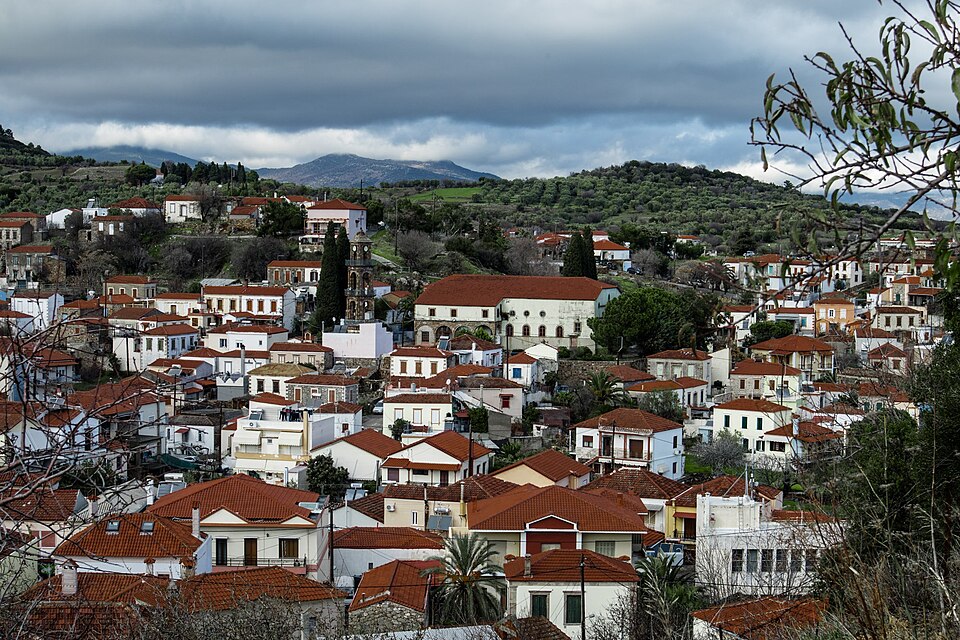
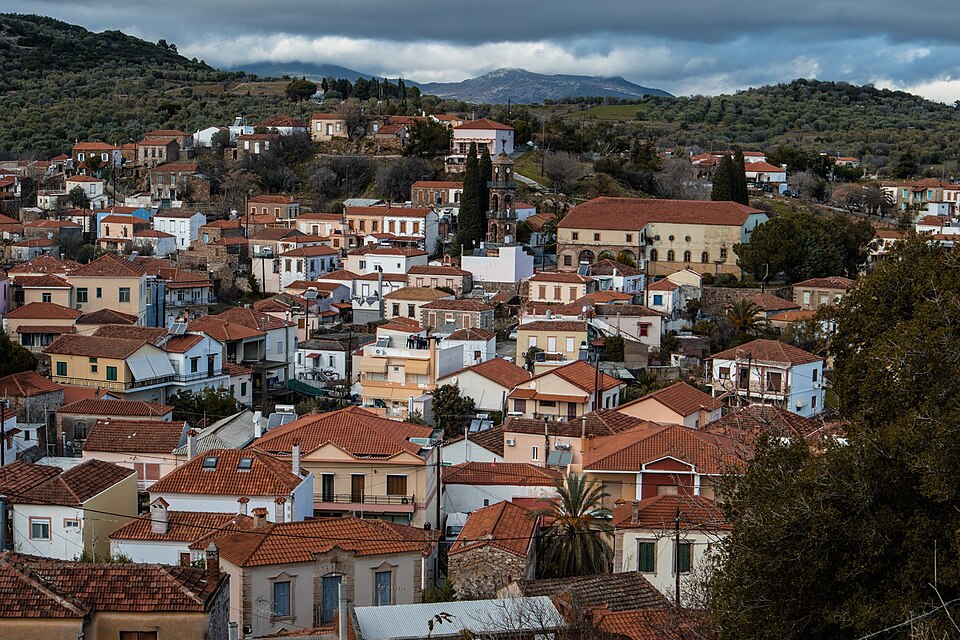
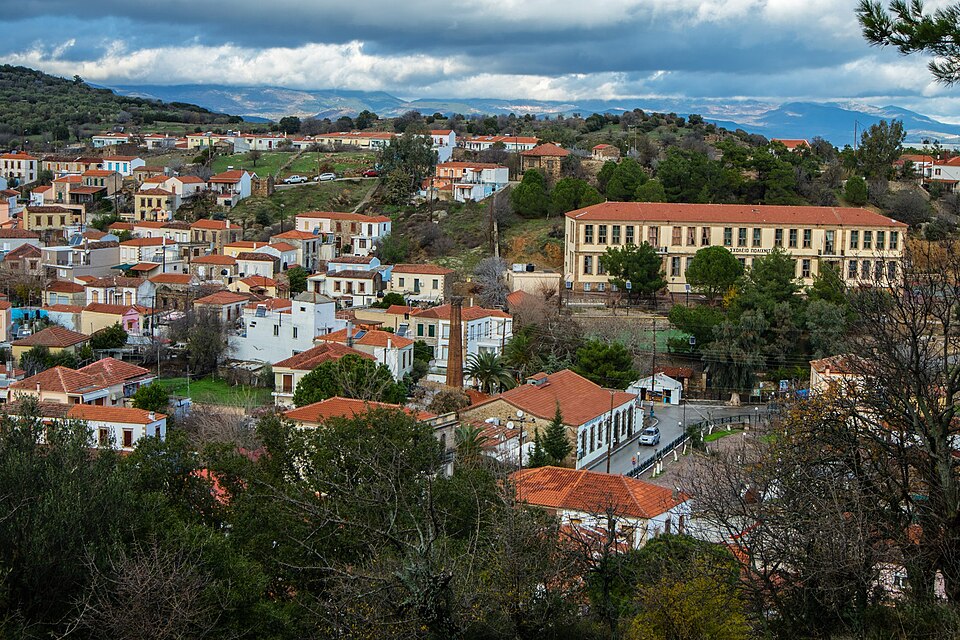
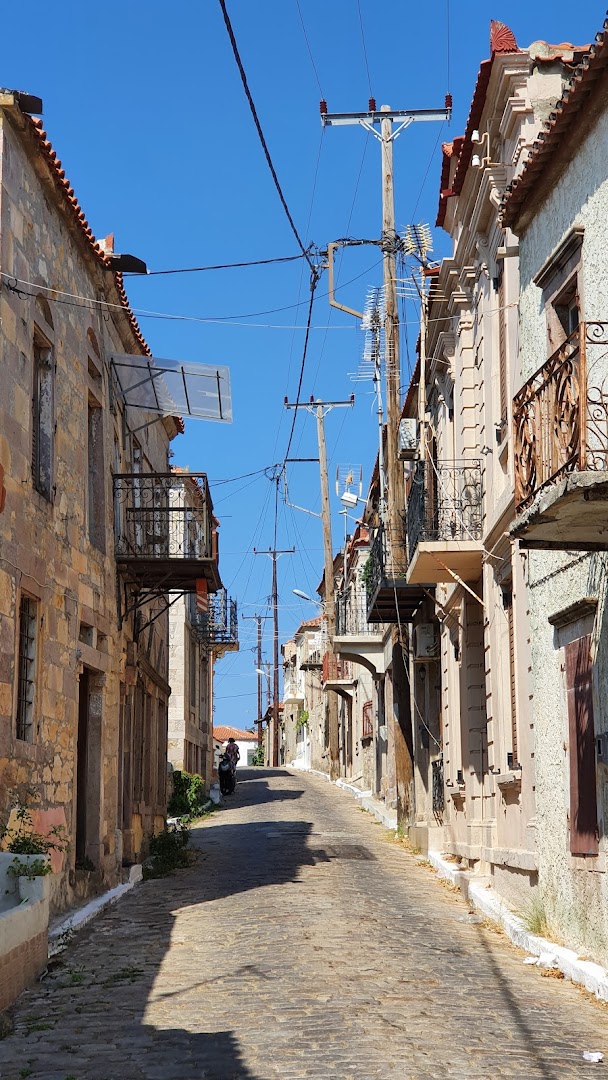
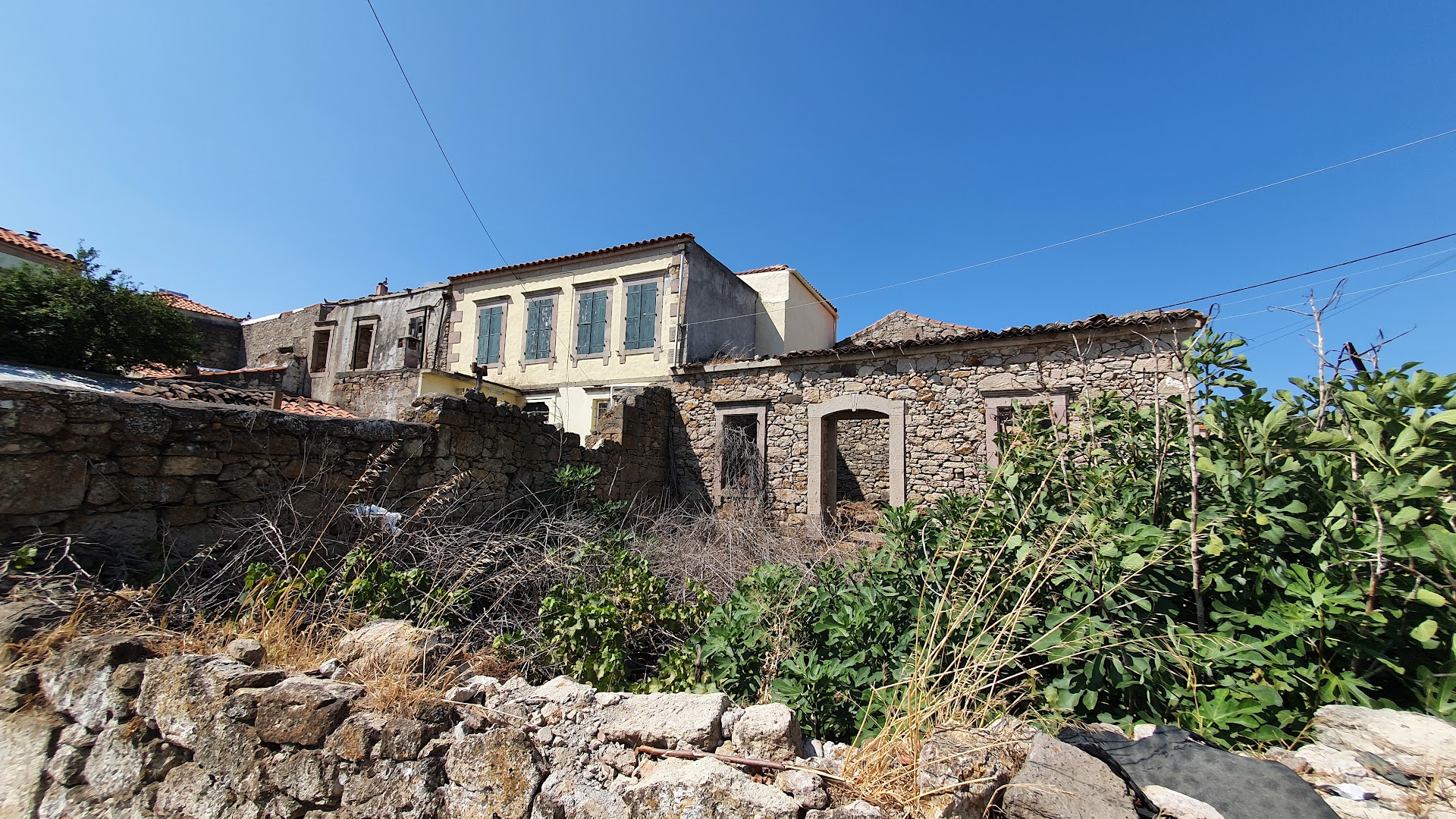
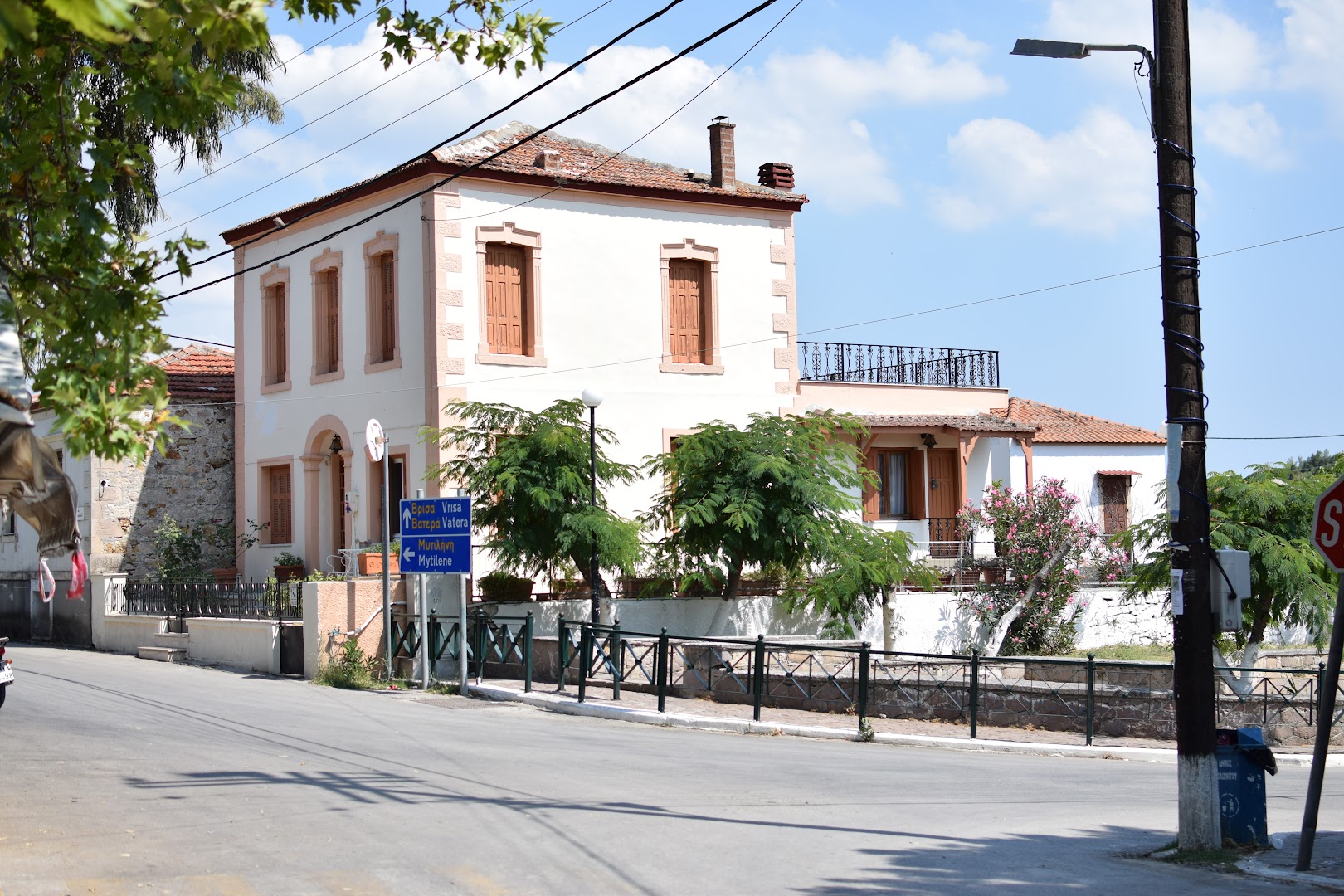
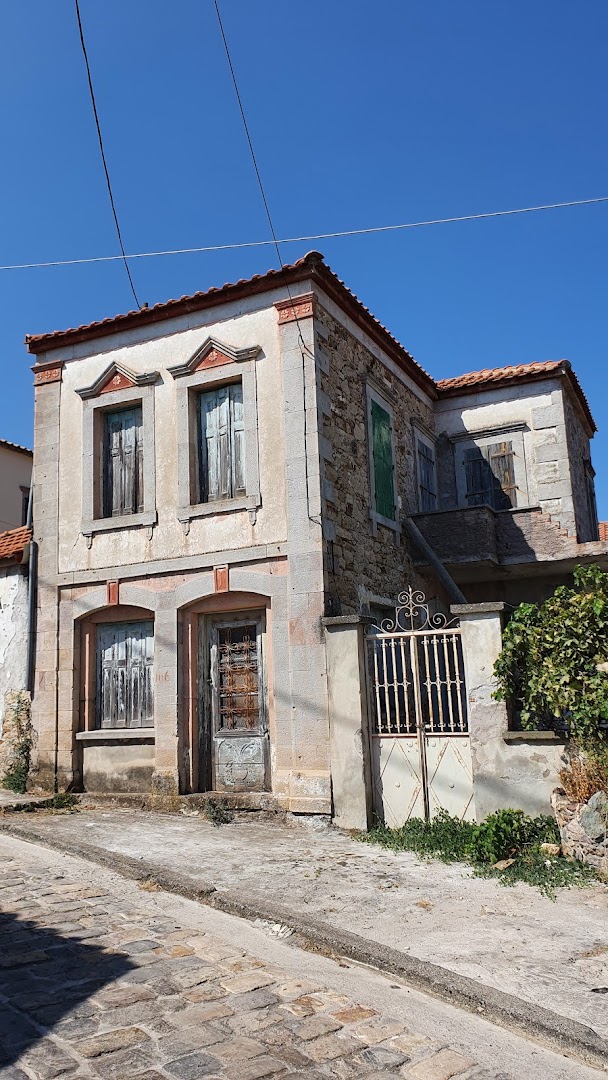
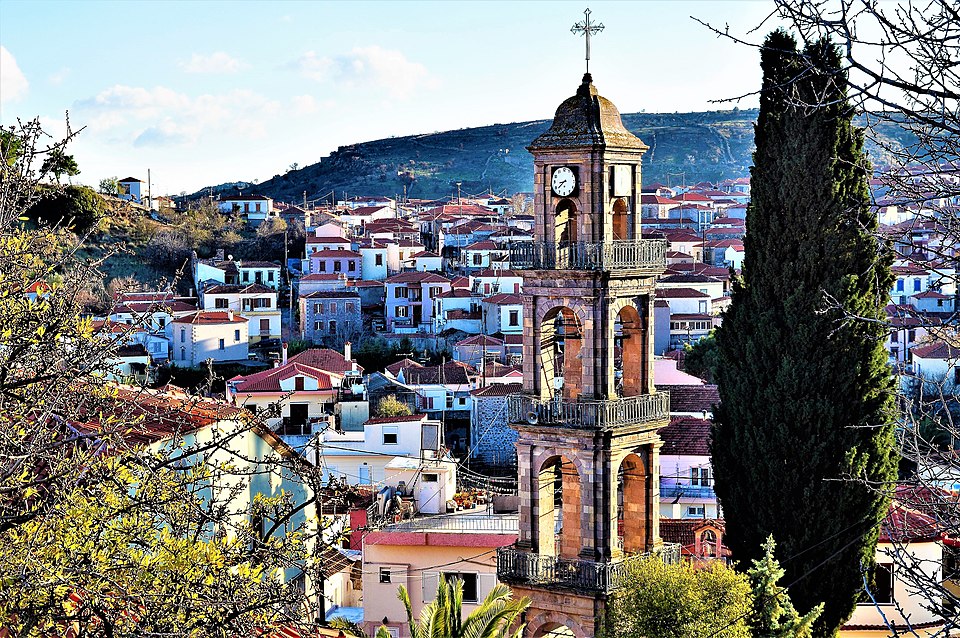
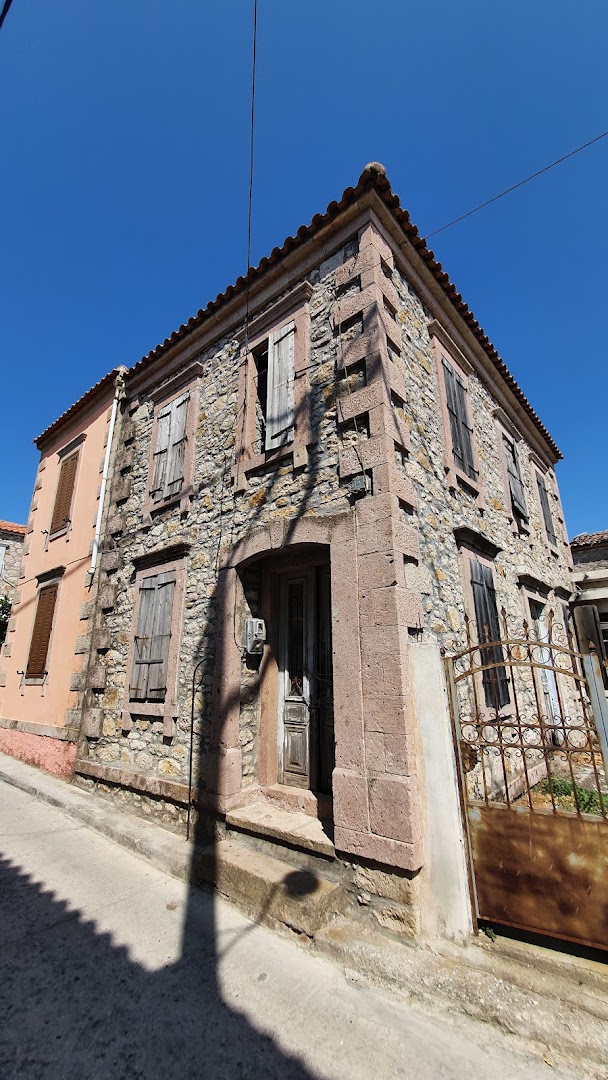
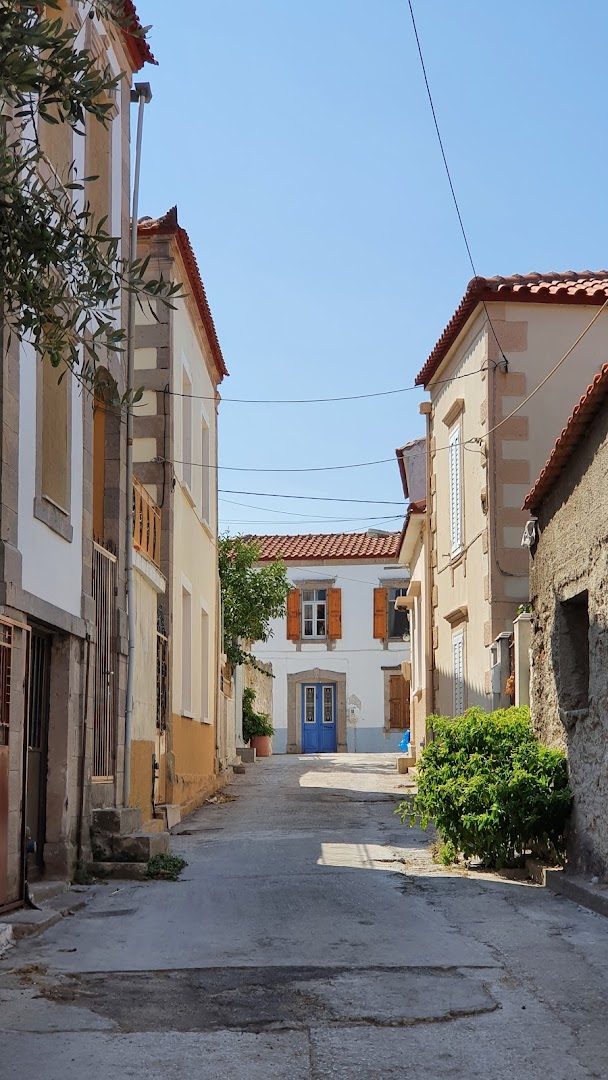
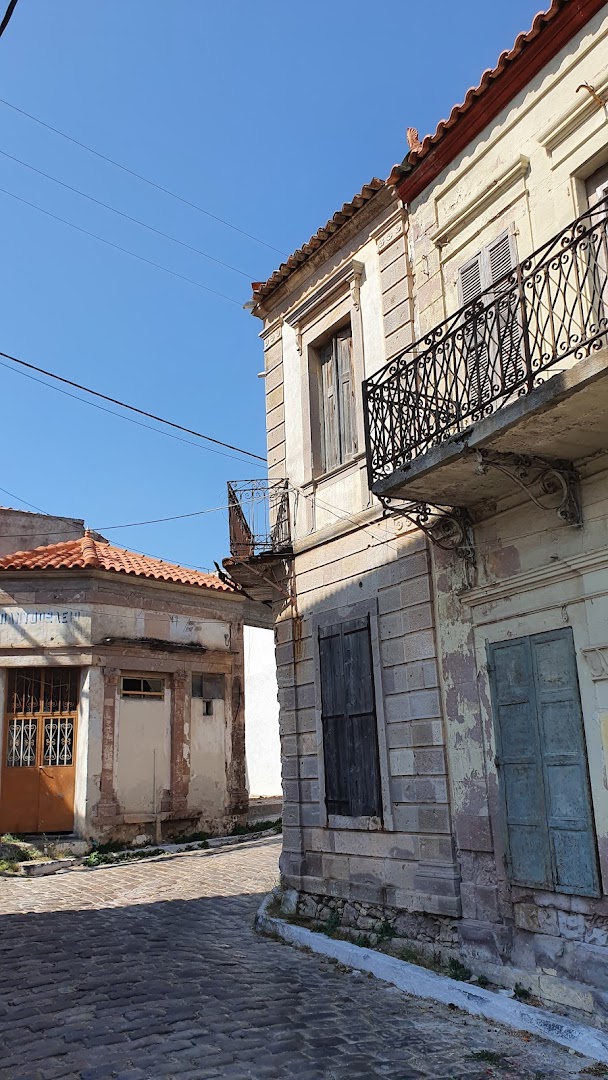
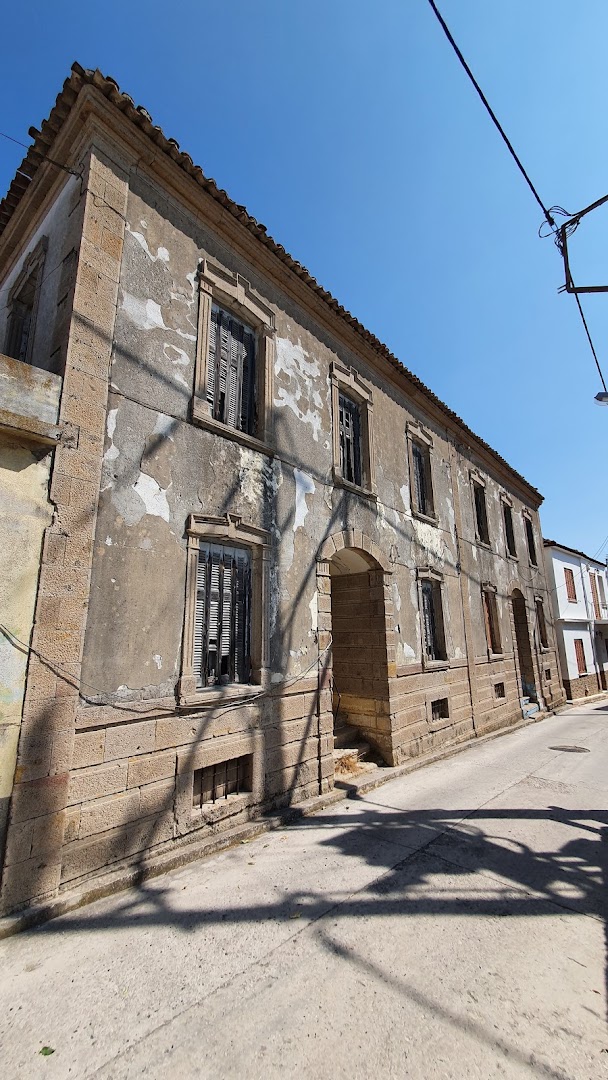
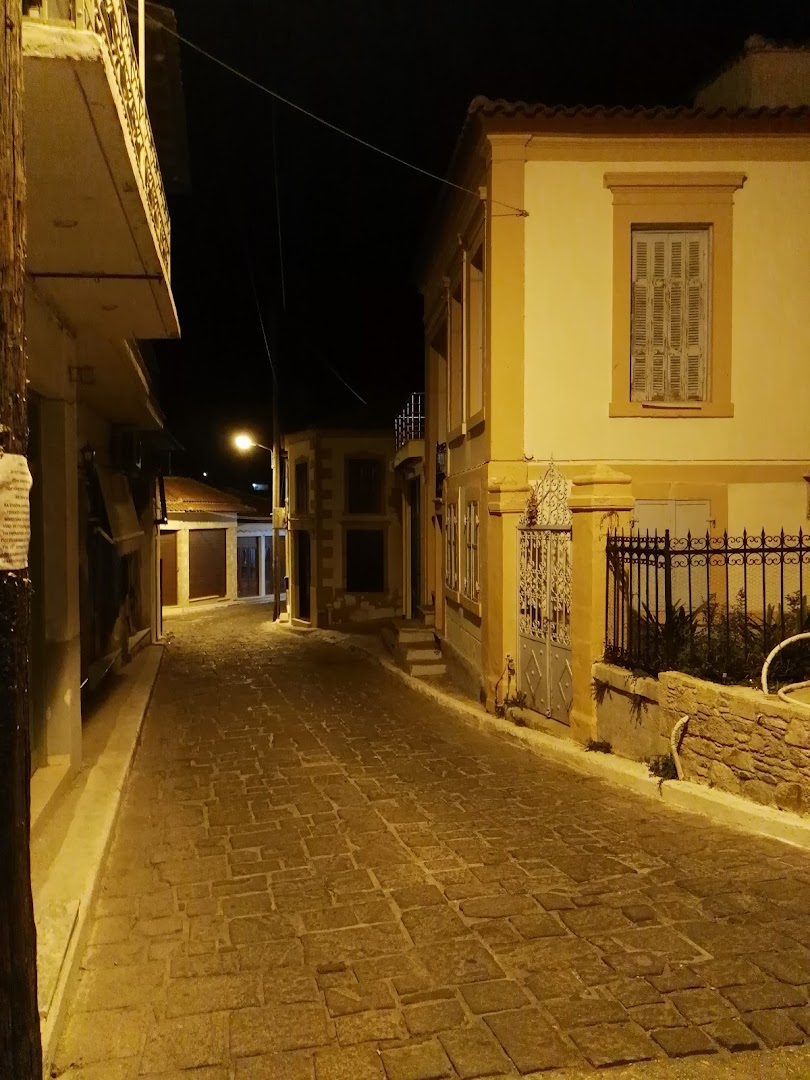
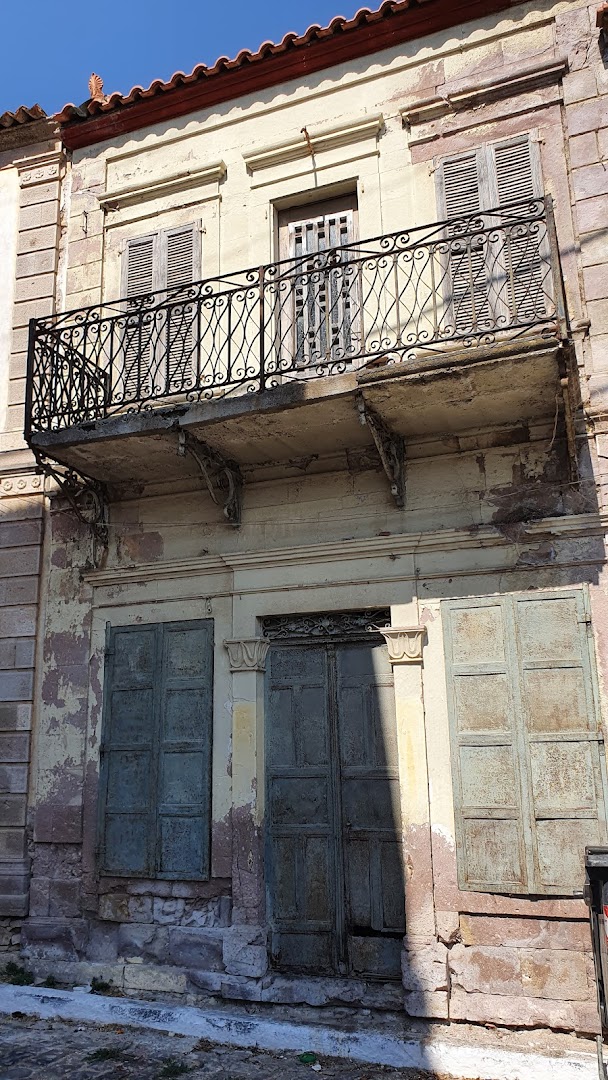
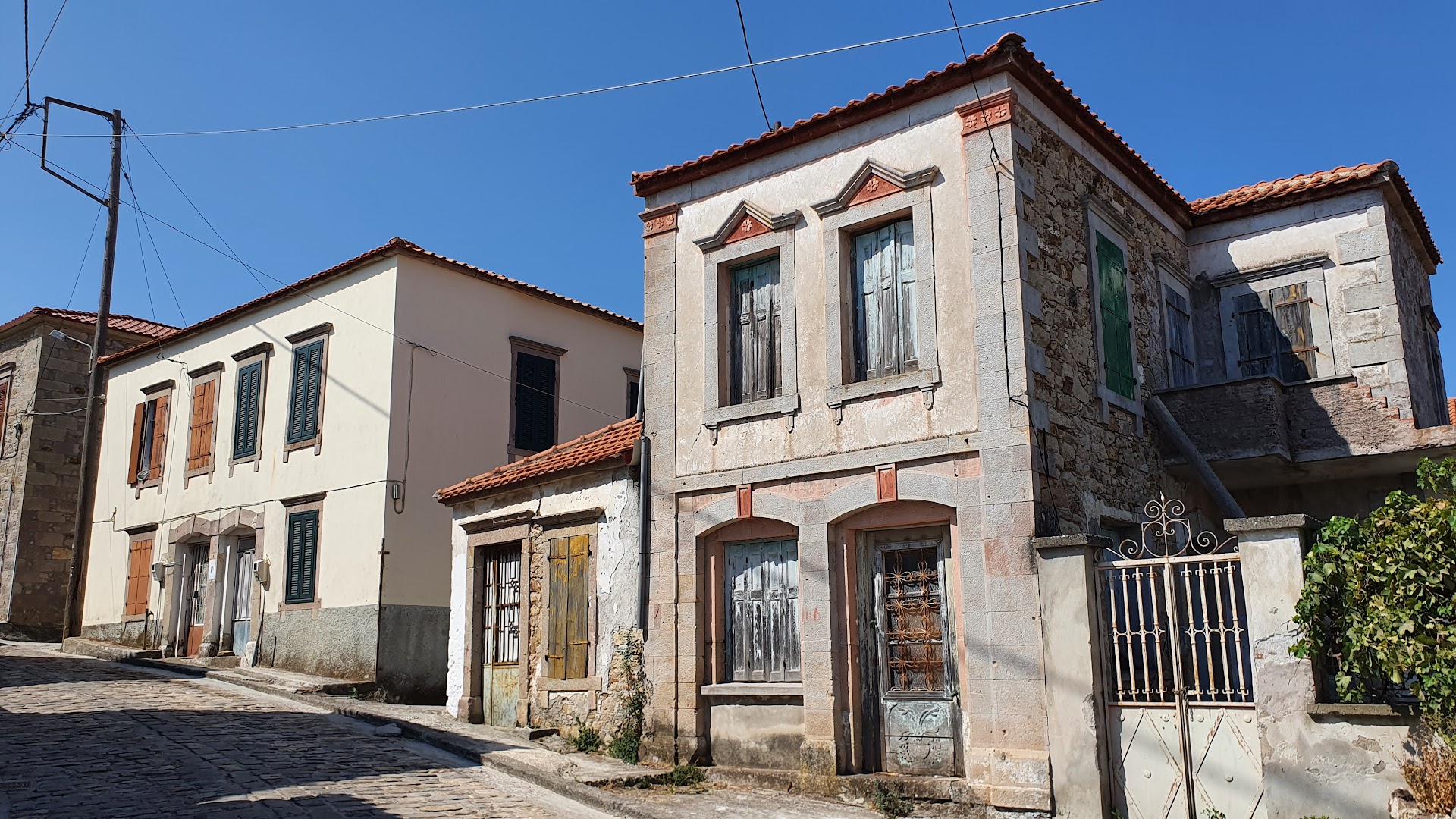
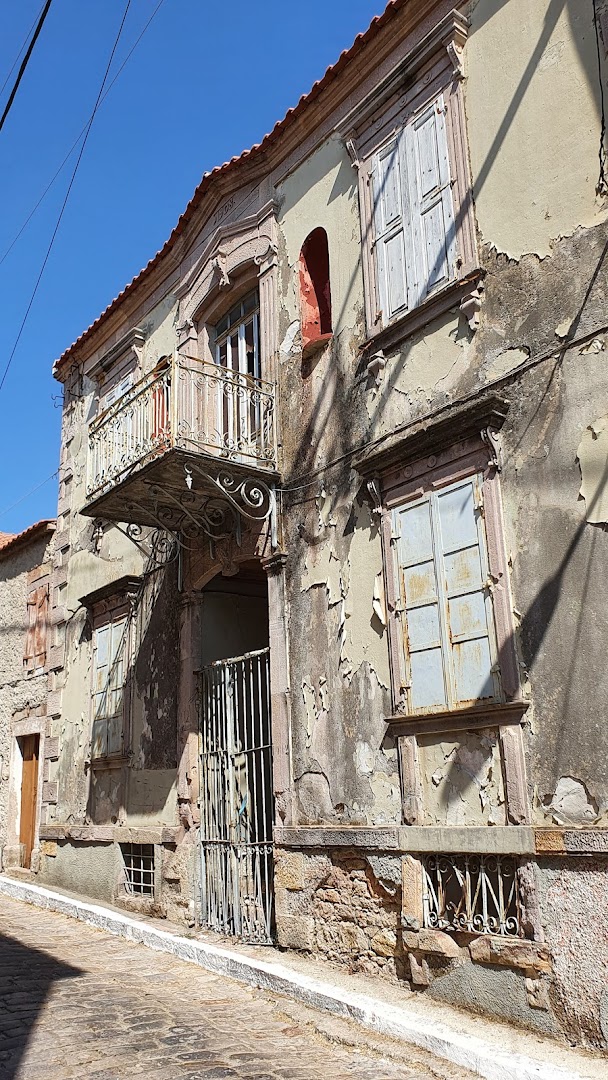
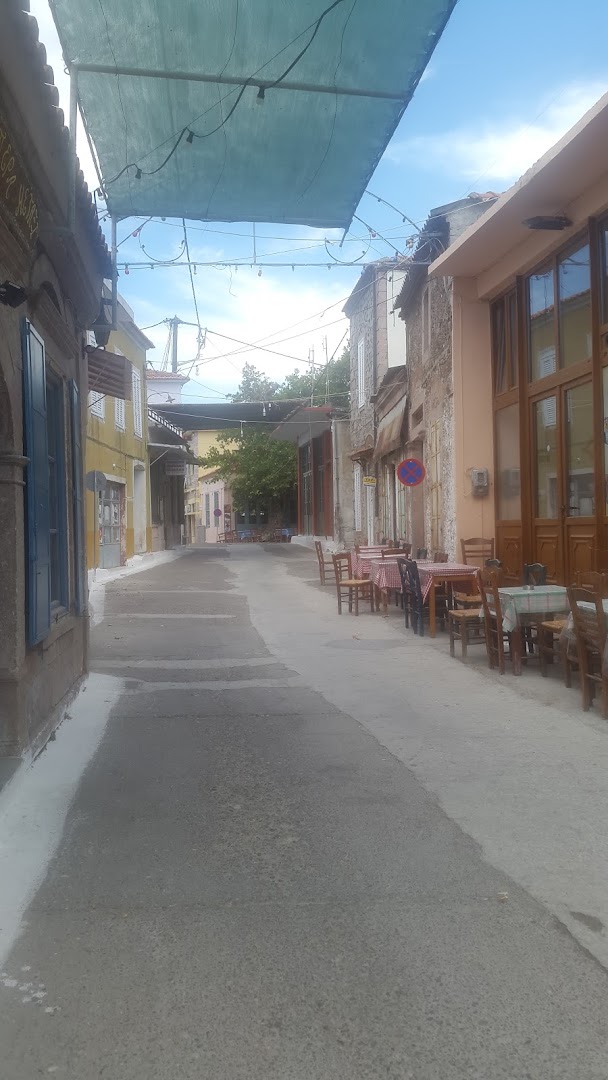
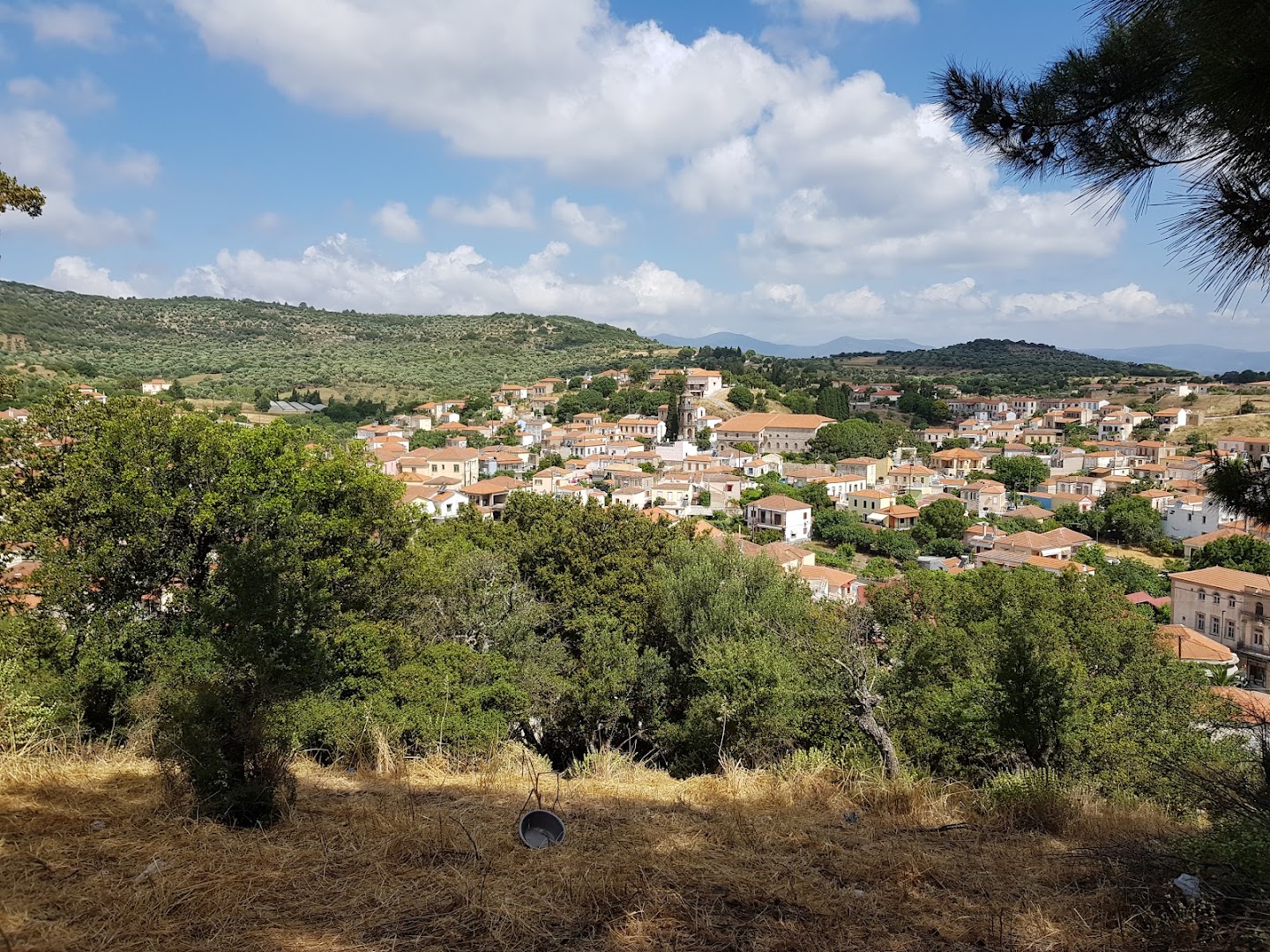
Polichnitos is the largest village in southern Lesvos, set in a broad agricultural plain known for its olive oil production. The village is distinguished by its neoclassical buildings, wide streets, and the hottest therapeutic hot springs in Europe — with water temperatures reaching 87.6°C at the source. A women's agrotourist cooperative here produces traditional goods including dairy products and preserves. The surrounding area includes the Polichnitos salt pans, an important wetland for migratory birds, and the coastal settlement of Skala Polichnitou.
Before you go
What to expect
Polichnitos is a working agricultural village where the pace slows and the air carries the scent of olive groves. The thermal baths are the real draw — with water reaching 87.6°C at the source, they rank among the hottest therapeutic springs in Europe, and soaking here feels genuinely restorative after a walk through the wide neoclassical streets. Before leaving, stop at the women's agrotourist cooperative for homemade preserves and local dairy products.
Best time to visit
Mid-April through early June is ideal for birdwatching at the salt pans; the thermal baths are pleasant year-round, though midsummer days are very hot.
How to get there
Polichnitos is roughly a 45-minute drive south from Mytilene through the agricultural plain; the road is straightforward and well-signed.
Top-Rated in Polichnitos
Highest-rated places chosen by visitors
transport
Taxi Sotirlamas - Polichnitos
Taxi Sotirlamas is a local taxi service operating in and around Polichnitos, a traditional market town in the southern part of Lesvos. For visitors exploring this quieter, less-touristed region of the island, having a reliable local driver makes a meaningful difference — whether you are heading to the famous thermal baths of Polichnitos, venturing toward the salt flats and lagoons of the Gulf of Kalloni, or simply connecting between villages without a rental car. Local taxi services like Sotirlamas are the backbone of transportation for both residents and independent travelers across rural Lesvos. A knowledgeable driver from the area can navigate the winding inland roads with ease, suggest stops along the way, and provide the kind of practical local knowledge that no map app can replicate. For those staying in the southern villages or passing through on a broader island itinerary, this service offers a convenient and personal way to get around on your own terms.
gas_station
Elin
Elin is a fuel and convenience stop serving the southern part of Lesvos, located near the town of Polichnitos in the island's interior. As part of the Elin network, one of Greece's established petroleum and energy brands, the station offers petrol and diesel for drivers navigating the roads between the thermal spa town of Polichnitos, the salt flats, and the scenic southwestern coast. For visitors exploring the less-travelled southern reaches of Lesvos, this station is a practical landmark before heading toward Vatera beach or the traditional villages of the Plomari area. Road infrastructure on the island can mean longer gaps between services in rural zones, making a reliable fuel stop here a genuinely useful waypoint for anyone on a day trip or island-wide road journey.
restaurant
O Lampis
O Lampis is a traditional ouzeri situated in Polichnitos, one of the largest inland towns on Lesvos and a place with deep roots in the island's agricultural and thermal spring heritage. An ouzeri is one of Greece's most beloved dining institutions — a relaxed, convivial space where the focus is as much on company and conversation as it is on food, with small plates of mezedes arriving steadily alongside glasses of ouzo or local wine. At a place like O Lampis, visitors can expect the kind of honest, unfussy cooking that defines the Aegean table: grilled octopus, fried kalamari, saganaki, olives cured in the Lesbian style, and whatever the kitchen is proud of that day. The small-plates format encourages sharing and lingering, making it an ideal stop for travelers who want to eat the way locals do — slowly, sociably, and without any rush. Polichnitos sits in the southern part of the island, close to the thermal baths of Polichnitos and Lisvori, making O Lampis a natural reward after a day exploring the volcanic landscape and saltpans of the region.
shop
Crystal Refreshment Polichnitos
Local beverage manufacturer in Skala, Polichnitos, producing quality refreshing drinks with modern presentation. This family-owned business is known for authentic Lesvos flavors and excellent taste. Support local enterprise while enjoying traditional refreshments in the heart of Polichnitos.
Practical Info
Supermarket
3 stores
Medical / Pharmacy
2 facilities
Petrol Station
5 stations
ATM / Bank
3 available
Transport
2 services
All Businesses
ARTECO
ATM Alpha Bank
Adalis Nikolaos
Alpha Bank
Amethystos
Androfilos Taxi Polichnitos
Anna Nikelli Pharmacy
BP
BP Fuel Station Agia Triada
BP Polichnitos
Bakery Polichnitos
Bounatsos
Churches & Religious Sites
Αγ. Παρασκευη
Ag. Paraskevi
Nestled in the landscape surrounding Polichnitos, the church of Agia Paraskevi stands as a testament to the enduring Orthodox faith that has shaped village life on Lesvos for centuries. Dedicated to the early Christian martyr Saint Paraskevi, a revered figure in the Eastern Orthodox tradition believed to have lived during the second century, the church draws both devout worshippers and curious visitors who come to appreciate the quiet sanctity that characterizes rural Greek ecclesiastical architecture. Like many churches of its kind in the Aegean region, it likely blends whitewashed walls with the characteristic simplicity of post-Byzantine island construction, where form follows devotion and the interior rewards the eye with carefully tended iconostasis screens, oil lamps casting warm light over painted saints, and the accumulated offerings of generations of local families. Saint Paraskevi holds a special place in the hearts of the faithful throughout Greece and the broader Orthodox world. She is traditionally invoked as a protector of eyesight and a healer, and her feast day on July 26th is celebrated with a panigiri, the beloved Greek village festival that combines religious observance with communal feasting, music, and dancing. In communities like Polichnitos, these feast days are among the most important events of the year, drawing back diaspora families and animating the village square with a spirit of continuity that connects present-day islanders to their ancestors. For visitors, attending or arriving near the feast offers a rare and genuine window into living Aegean tradition, one that no museum exhibit can replicate.
Αγία Παρασκευή
Agia Paraskevi
Nestled in the landscape near the village of Polichnitos in southern Lesvos, the church of Agia Paraskevi is dedicated to one of the most beloved saints of the Eastern Orthodox world. Saint Paraskevi, whose name means "Holy Friday" in Greek, was a Christian martyr venerated for her unwavering faith, and her intercession is traditionally sought for the healing of ailments of the eyes and for protection from evil. Churches bearing her name are found throughout Greece, yet each carries the particular devotion of the community that built and tends it, and this one is no exception — it stands as a living center of faith for the people of Polichnitos and the surrounding villages. The church reflects the characteristic vernacular ecclesiastical architecture of the Aegean, with whitewashed walls, a tiled roof, and an intimate interior that invites contemplation. Inside, visitors will find the characteristic iconostasis of the Greek Orthodox tradition, adorned with icons rendered in the Byzantine style, their gilded halos gleaming in the soft candlelight. The icon of Agia Paraskevi herself is typically the focal point of veneration, and local worshippers have long maintained the tradition of bringing offerings and prayers before it, particularly for those suffering from eye conditions. The feast day of Agia Paraskevi falls on the 26th of July, and it is celebrated with a panegyri — the joyful Orthodox festival that combines a church liturgy with communal gathering, music, and food. For visitors, attending such a feast offers a rare and authentic glimpse into the spiritual and social fabric of village life in Lesvos, where religious observance and community celebration have remained inseparable for centuries. Even outside of feast days, the church offers a moment of quiet reflection for travellers passing through the gentle hills and olive groves of the island's southern interior.
Άγιος Γεώργιος
Agios Georgios
Dedicated to Saint George, one of the most beloved saints in the Greek Orthodox tradition, the church of Agios Georgios stands in the landscape near Polichnitos in the southern part of Lesvos. Saint George holds a special place in the hearts of Greeks as the patron saint of shepherds, farmers, and soldiers, and churches bearing his name are found in nearly every corner of the island, each serving as a spiritual anchor for its surrounding community. The feast day of Saint George, celebrated on April 23rd, is one of the most joyful occasions in the Orthodox calendar, bringing local families together for liturgy, music, and shared meals in a tradition that has persisted for generations. The area around Polichnitos is one of the most historically layered parts of Lesvos, a region known for its thermal springs, fertile agricultural land, and deep-rooted village life. Churches like Agios Georgios have long served not only as places of worship but as community gathering points, marking the rhythms of rural life through baptisms, weddings, and feast day celebrations. The interior, as is typical of Aegean island churches, likely features an iconostasis with hand-painted icons following the Byzantine tradition, the warm glow of oil lamps, and the lingering fragrance of incense that seems to belong as much to the stone walls as to any ceremony. Visitors who take the time to seek out small churches like this one are rewarded with an experience that larger, more famous sites cannot offer — a quiet authenticity, the chance to witness living faith rather than a museum exhibit. Even when the doors are closed outside of services, the whitewashed exterior, the courtyard shaded by a tree or two, and the distant views across the Lesvos countryside make a visit worthwhile. If you happen to be on the island around the feast of Saint George, attending the liturgy and the festivities that follow is a genuine window into the island's soul.
Άγιος Βασίλειος
Agios Vasileios
Dedicated to Saint Basil the Great, one of the most revered figures in Eastern Orthodox Christianity, this village church serves as a spiritual anchor for the community of Polichnitos in southern Lesvos. Saint Basil, a fourth-century theologian and Archbishop of Caesarea, is venerated across the Greek Orthodox world as one of the Three Hierarchs — the founding pillars of Christian doctrine. His feast day falls on the first of January, which in Greek tradition is also Protochronia, the New Year, making celebrations at churches bearing his name among the most joyful and communally significant of the winter calendar. Families gather to hear the liturgy, exchange wishes, and cut the vasilopita — the sweet bread named in his honor — a custom that weaves the sacred and the domestic into a single enduring tradition. Like many rural churches on Lesvos, Agios Vasileios likely follows the modest whitewashed architectural vernacular of the eastern Aegean, with a tiled roof, an intimate interior, and an iconostasis that separates the nave from the sanctuary. Inside, visitors can expect to find icons of Saint Basil rendered in the Byzantine tradition — stern yet compassionate, typically depicted in episcopal vestments and holding the Gospels. The walls may preserve older devotional paintings or more recent folk-art icons gifted by parishioners over generations, each one a small act of faith layered into the building's history. The church sits within easy reach of Polichnitos, a village itself distinguished by its therapeutic hot springs and its role as a quiet hub for the agricultural heartland of southern Lesvos. For travelers exploring the island beyond its famous coastline, a visit to a church like Agios Vasileios offers something irreplaceable: a glimpse into the living religious culture that has shaped Lesbian identity for centuries. The church is not a monument but a working place of worship, its doors opened for liturgy on feast days and for quiet reflection at other times. Whether you arrive during the festive first of January or on an ordinary afternoon when the bells have long since fallen silent, the setting — nestled among the olive groves and gentle hills of the Polichnitos basin — carries the particular stillness that Greek village churches seem to hold as their own.
Αποστόλου Παύλου
Apostolou Pavlou
The Church of Apostolos Pavlos stands as a quiet expression of Orthodox faith near the village of Polichnitos, a settlement in the fertile southern reaches of Lesvos known for its therapeutic thermal springs. Dedicated to Saint Paul the Apostle, the church carries a dedication of profound resonance in the Eastern Mediterranean, as Paul's missionary journeys brought him through the Aegean world and his letters remain foundational to Orthodox Christian life. Like many rural churches of this region, the building likely follows the simple single-nave basilica form common to village chapels across Lesvos, its whitewashed walls and terracotta roof tiles sitting harmoniously within the agricultural landscape that surrounds Polichnitos. Inside, visitors will find the characteristic warmth of a Greek Orthodox interior: a carved wooden iconostasis separating the nave from the sanctuary, oil lamps casting a gentle glow over painted icons, and the lingering scent of incense that permeates even the smallest village church. The icon of the patron saint, Apostolos Pavlos, holds pride of place, typically depicted holding the sword and epistles that symbolize both his martyrdom and his written legacy to the faith. The feast day of Saints Peter and Paul, celebrated on the 29th of June according to the Orthodox calendar, is the church's principal nameday and an occasion that draws the local community together for liturgy, followed by the convivial gathering that is an inseparable part of Greek religious celebration. For the traveler, this modest church offers something beyond architectural spectacle: a glimpse into the living religiosity of a Lesbian village community. Polichnitos and its surrounding hamlets have maintained their Orthodox traditions across centuries of Aegean history, and churches like this one serve not only as places of worship but as anchors of collective identity and memory. Visitors who arrive during a festival or simply step inside during quieter hours will find a space that rewards stillness and reflection, set against the backdrop of the broad Kalloni plain and the distant hills of southern Lesvos.
chapel
Tucked into the landscape near the village of Polichnitos in southern Lesvos, this small Greek Orthodox chapel is a quiet testament to the deep spiritual life woven into the island's rural fabric. Like so many of the hundreds of chapels scattered across Lesvos, it likely began as a votive offering — built by a local family or community in fulfillment of a promise to a saint, or to mark a spot of personal or communal significance. The tradition of constructing such intimate places of worship is centuries old on the island and reflects the inseparable bond between Orthodox Christianity and everyday life in these villages. The chapel's setting near Polichnitos places it in one of the more historically layered parts of Lesvos, a region whose thermal springs have drawn visitors since antiquity and whose villages carry the memory of long agricultural and pastoral traditions. Built in the vernacular style typical of the eastern Aegean — whitewashed walls, a modest dome or vaulted ceiling, and a small iconostasis sheltering its sacred icons — the chapel would have served as a gathering point for local families, particularly on the feast day of whatever saint it is dedicated to. These name-day celebrations, known as panigýria, bring together villagers for liturgy, candlelight, and communal festivity that can last well into the evening. For visitors, stepping inside a chapel like this offers something no museum can replicate: a living encounter with Greek Orthodox devotion as it has been practiced for generations. Votive lamps burn steadily, icons glow against darkened walls, and the scent of incense lingers in the air. Whether or not a service is underway, the chapel invites a moment of stillness — a chance to appreciate how profoundly faith has shaped the rhythms of life on Lesvos and how these small, unassuming sanctuaries continue to anchor their communities to something enduring.
ΑΓΊΑ ΠΑΡΑΣΚΕΥΉ (ΣΤΑ ΚΥΒΕΛΙΑ)
ΑΓΊΑ ΠΑΡΑΣΚΕΥΉ (ΣΤΑ ΚΥΒΕΛΙΑ)
Nestled in the quietly prosperous landscape near Polichnitos, this Greek Orthodox church stands as a testament to the enduring spiritual life of one of Lesvos's most historically layered villages. Polichnitos itself is best known for its therapeutic thermal springs, but its religious heritage runs just as deep, and small churches like this one form the quiet anchors of community identity that have sustained village life across centuries of Byzantine, Ottoman, and modern Greek history. The surrounding area bears traces of all these eras, and the church sits within that layered context, serving generations of the same families who have farmed and fished and built their lives in this corner of the southern island. Greek Orthodox churches in villages like Polichnitos typically follow the cross-in-square or single-nave basilica plan that became common across the Aegean, with whitewashed walls, a terracotta-tiled roof, and an interior that rewards quiet contemplation. Visitors can expect the warm fragrance of beeswax candles and incense, an iconostasis separating nave from sanctuary, and devotional icons rendered in the Byzantine tradition that has remained largely unchanged for a millennium. Feast days, which vary depending on the saint to whom the church is dedicated, draw villagers from the surrounding area for liturgy, communal meals, and the kind of unhurried celebration that defines Greek panigiri culture at its most genuine. For travellers exploring the Lesvos interior beyond the well-trodden coastal routes, stopping at a village church like this offers something guidebooks rarely capture: the lived texture of Orthodox faith as it continues to shape daily rhythms on the island. Whether you arrive during a service or simply pause at the threshold to admire the icons and the silence, the experience connects you to a continuity of devotion that stretches back long before Lesvos became a destination.
Gallery & Videos
Captured a memorable moment in Polichnitos?
Nearby
Beaches
Paralia Nyfidas
5.2 km away
Agios Fokas Beach
5.9 km away
Paralia Ammoudi
6.9 km away
Makara
9.4 km away