


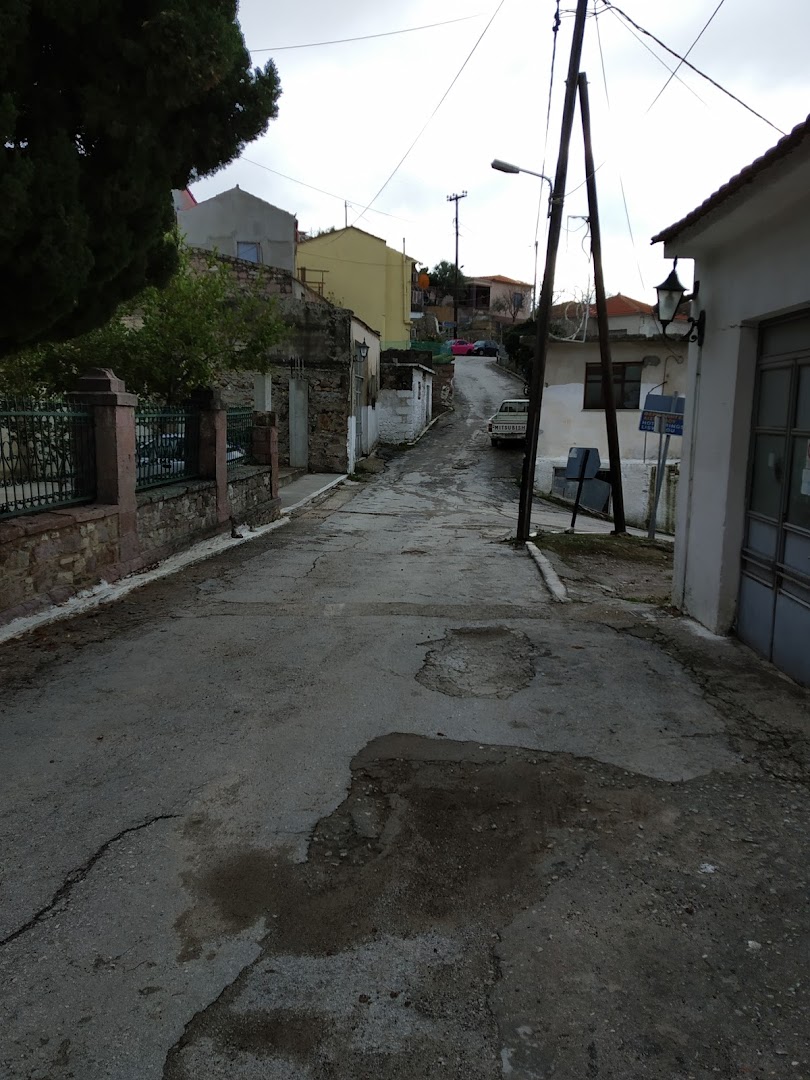
Λισβόρι
Lisvori
Population
408
Elevation
142m
Municipality
Polichnitos
Postal Code
813 00
From Mytilene
28.6 km
Nearest Beach
Paralia Nyfidas
Overview
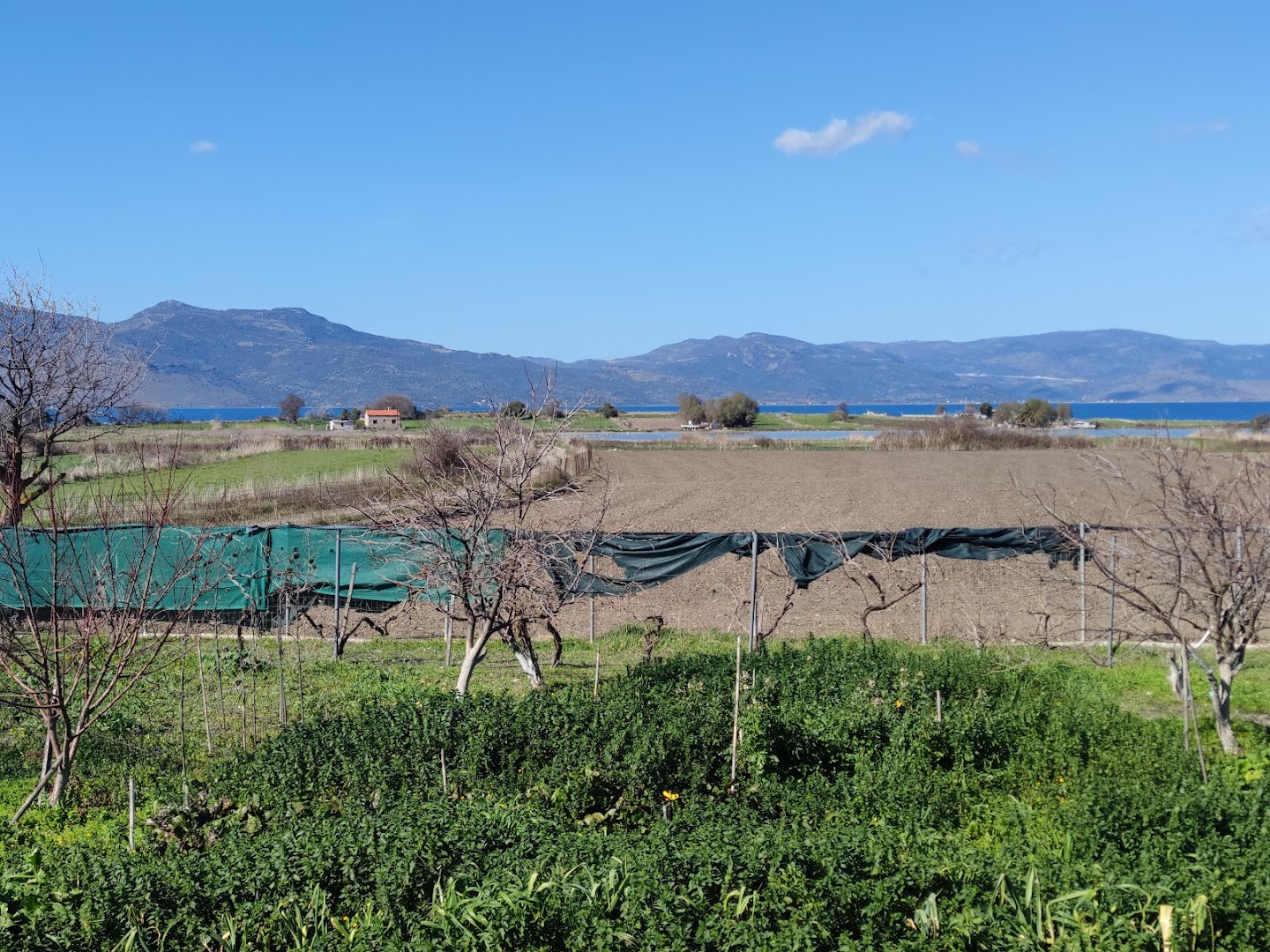
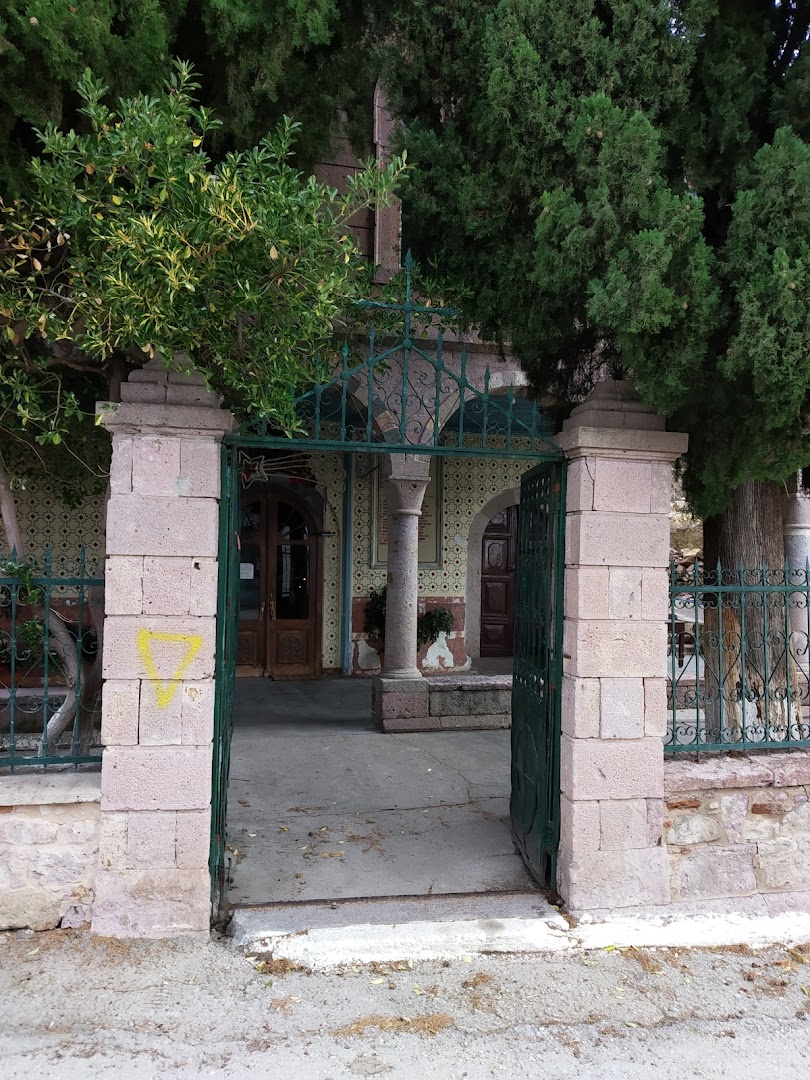
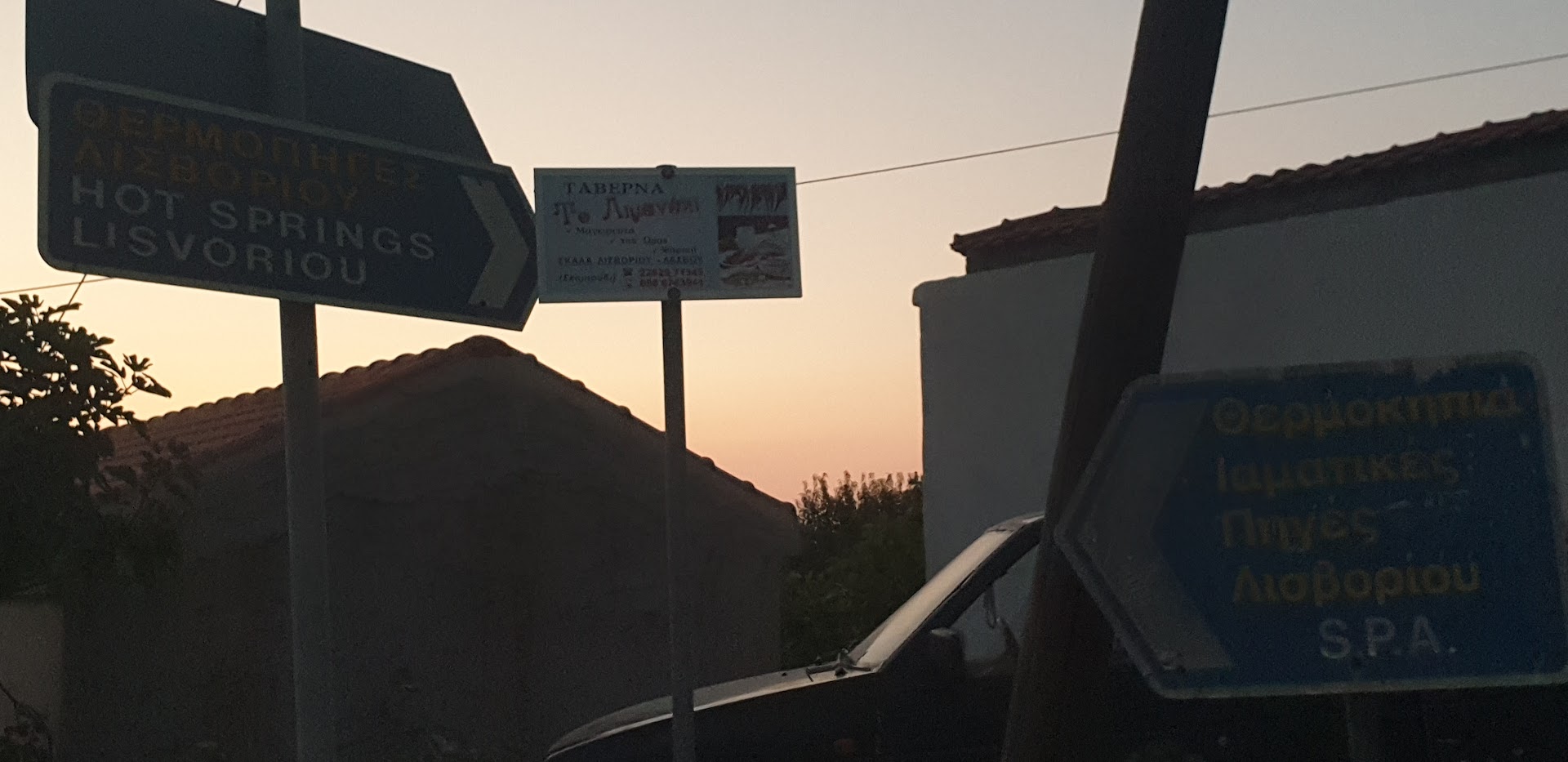
Lisvori is a charming village in central-southern Lesvos, situated on a hillside overlooking the Kalloni Gulf. The village is noted for its traditional architecture, warm mineral springs nearby, and proximity to the ancient Temple of Messo. The settlement has maintained its agricultural character, with olive oil production remaining central to the local economy. Lisvori's elevated position offers panoramic views across the gulf and surrounding countryside.
Before you go
What to expect
Lisvori sits quietly on a hillside with the wide sweep of the Kalloni Gulf visible below, its stone houses and unhurried pace reflecting a village still shaped by olive cultivation. The warm mineral springs a short distance outside the village are a genuine draw — less a spa resort, more a local ritual. Combine a stop here with a visit to the nearby ancient Temple of Messo and you get a full afternoon of unhurried exploration.
Best time to visit
May through October is most pleasant; spring brings lush hillsides and mild temperatures before the summer heat sets in.
How to get there
From Mytilene, take the main road west toward Kalloni and then head south following signs for Lisvori; the drive is roughly 40 to 50 minutes depending on the route.
Top-Rated in Lisvori
Highest-rated places chosen by visitors
Practical Info
Supermarket
The Plane Tree
Medical / Pharmacy
Not found
Petrol Station
Not found
ATM / Bank
Not found
Transport
Not found
Churches & Religious Sites
Αγ. Ιωάννης
Ag. Ioannis
Nestled in the landscape near the village of Lisvori in central-southern Lesvos, the church of Agios Ioannis is dedicated to Saint John — most likely Saint John the Baptist, one of the most venerated figures in the Greek Orthodox tradition. Like many rural chapels scattered across Lesvos, it stands as a testament to the deep-rooted faith of the island's communities, built and maintained over generations by local families who regarded such shrines as the spiritual anchors of their daily lives. Its setting amid the quiet hills of this part of the island, away from the bustle of the main tourist routes, gives it a contemplative character that rewards those who seek it out. The church follows the modest vernacular architecture typical of rural Orthodox chapels in the eastern Aegean — whitewashed walls, a low-pitched roof, and an intimate interior where the smell of beeswax and incense mingles with the cool stone air. Inside, visitors will likely find a simple iconostasis adorned with icons painted in the Byzantine tradition, including an image of the saint himself. The feast day of Saint John the Baptist, celebrated on June 24th and again on August 29th, draws locals from Lisvori and surrounding settlements for a panegyri — the traditional festival combining liturgy, music, and communal gathering that remains one of the most cherished expressions of Greek island culture. For visitors to Lesvos, Agios Ioannis offers a genuine encounter with the island's living Orthodox heritage, distinct from the grand monasteries that draw larger crowds. Stopping here is less about spectacle and more about atmosphere — the quiet presence of a place that has served as a point of prayer and community for the people of this corner of Lesvos across many decades.
Αγία Κυριακή
Agia Kyriaki
Tucked into the landscape near the village of Lisvori in southern Lesvos, the church of Agia Kyriaki is dedicated to Saint Kyriaki, a venerated early Christian martyr whose name means "of the Lord" — a reflection of the Sunday on which, according to tradition, she was born and on which she ultimately gave her life for her faith. The feast day of Agia Kyriaki falls on July 7th, and like so many of the island's rural churches, this one comes vividly to life on that date when the local community gathers for the panigiri, the traditional religious festival that combines liturgy, music, and communal feasting in a celebration rooted in centuries of Aegean village life. The church reflects the modest but dignified vernacular ecclesiastical architecture typical of rural Lesvos — whitewashed walls, a compact nave, and the characteristic simplicity of a community chapel built not for grandeur but for devotion. Inside, visitors will find the intimate atmosphere that defines Orthodox village worship, with an iconostasis bearing painted icons of the saints and the soft glow of oil lamps casting warm light across the space. While grand frescoes are more the province of Lesvos's larger monastic churches, small rural chapels like this one often preserve older, locally painted icons of considerable folk artistic value. For visitors exploring the quieter interior of Lesvos away from the coastal resorts, a visit to Agia Kyriaki offers a genuine glimpse into the living religious culture of the island. The church stands as a testament to the deep Orthodox faith that has shaped village identity here for generations, and its surroundings — the rolling hills and olive groves of the island's southern interior — make the journey as rewarding as the destination itself.
Αγία Παρασκευή
Agia Paraskevi
Nestled in the rolling landscape near the village of Lisvori, the church of Agia Paraskevi is dedicated to one of the most beloved saints in the Greek Orthodox tradition. Agia Paraskevi was a Christian martyr whose name means "preparation" in Greek, a reference to the eve of the Sabbath, and she is venerated across the Orthodox world as a protector of sight and a healer of the eyes. Churches bearing her name are among the most cherished in rural Greece, and this one reflects the enduring faith of the communities that have shaped Lesvos's spiritual landscape over centuries. The building itself follows the modest stone-built vernacular style typical of the island's countryside churches, with whitewashed walls and a tiled roof that sits harmoniously within the surrounding terrain. Visitors who step inside are rewarded with the intimate atmosphere that defines these small Orthodox sanctuaries — the warm glow of oil lamps, the scent of incense, and the presence of icons depicting the saint in her traditional representation, often shown holding a cross and a vessel symbolic of her martyrdom. The iconostasis, the carved wooden screen separating the nave from the sanctuary, typically features locally venerated icons that have been objects of devotion for generations of worshippers from Lisvori and the surrounding villages. The church comes most vividly to life on July 26th, the feast day of Agia Paraskevi, when the local community gathers for the liturgy and the panigiri, the festive celebration that follows, blending sacred observance with music, food, and communal fellowship in the tradition that has defined Greek village life for centuries.
Άγιος Δημήτριος
Agios Dimitrios
Nestled in the quiet countryside near the village of Lisvori in southern Lesvos, the church of Agios Dimitrios stands as a testament to the island's deep-rooted Orthodox Christian heritage. Dedicated to Saint Demetrios of Thessaloniki, one of the most beloved military martyrs of the Eastern Church, the church reflects the widespread veneration this saint commands throughout Greece and the broader Orthodox world. Like many rural Lesbian churches, it likely follows the single-nave basilica style common across the Aegean, its whitewashed walls and terracotta-tiled roof blending harmoniously into the sun-drenched landscape of the island's interior. The feast day of Saint Demetrios falls on October 26th, a date that carries particular resonance in Greece as it coincides with the anniversary of the liberation of Thessaloniki in 1912. On this day, the church becomes a focal point for the surrounding community, drawing villagers from Lisvori and neighboring settlements for the liturgy and the modest celebrations that follow — a gathering that reinforces the bonds of village life as much as it honors the saint. Inside, visitors may encounter locally venerated icons, oil lamps casting a warm amber glow over painted saints, and the lingering fragrance of incense that permeates even the smallest Greek Orthodox chapel. For travelers exploring the quieter corners of Lesvos away from the coastline, Agios Dimitrios offers a moment of stillness and genuine cultural immersion. The church speaks not to grand ecclesiastical ambition but to something more intimate — the faith of ordinary people who have tended this place across generations. Approaching through the olive groves and rolling hills that characterize this part of the island, visitors gain a sense of how profoundly the rhythms of religious life have shaped the landscape and identity of rural Lesvos.
Άγιος Ευστράτιος
Agios Evstratios
Nestled in the gentle hills near the village of Lisvori, the church of Agios Evstratios is dedicated to Saint Eustratios, one of the Five Martyrs of Sebaste who perished for their Christian faith during the persecutions of the early fourth century. Saint Eustratios, a Roman military officer who publicly declared his Christianity after witnessing the courage of fellow believers, is venerated throughout the Orthodox world on December 13th, when local communities gather to honor his memory with liturgy and the warmth of shared celebration. This feast day remains a meaningful occasion for the surrounding villages, drawing worshippers who maintain a living connection to the rhythms of the Orthodox calendar. The church itself reflects the vernacular ecclesiastical architecture common to rural Lesvos, with whitewashed walls, a modest stone construction, and the simple, sturdy form that has characterized island chapels for centuries. Inside, visitors typically find the devotional atmosphere characteristic of such country churches: oil lamps casting a gentle glow over the iconostasis, locally venerated icons rendered in the Byzantine tradition, and the faint scent of incense that speaks to years of continuous worship. While the church may lack the grandeur of larger monastic complexes, its intimacy is its virtue — a place of genuine community faith rather than touristic spectacle. For the traveler passing through the Lisvori area, perhaps drawn by the nearby thermal springs for which this part of southern Lesvos is well known, a visit to Agios Evstratios offers a quiet counterpoint to the landscape's natural gifts. The church stands as a reminder that the spiritual and the pastoral have always been intertwined on this island, where small chapels dot the hillsides and olive groves, each one a marker of the faith and endurance of the people who have shaped Lesvos across the centuries.
Άγιος Φανούριος
Agios Fanourios
Tucked near the quiet village of Lisvori in the southern reaches of Lesvos, the church of Agios Fanourios is dedicated to one of the most beloved saints in the Greek Orthodox calendar. Saint Phanurius, whose name derives from the Greek word meaning "to reveal" or "to make known," is venerated across Greece as the patron of lost things and lost causes — the saint to whom the faithful turn when searching for misplaced objects, missing persons, or unclear paths in life. His cult is particularly vibrant in the Aegean islands, where communities have long looked to divine intercession against the uncertainties of sea, harvest, and fate. The church sits in the gentle agricultural landscape that characterizes this part of Lesvos, surrounded by olive groves that have shaped the island's identity for millennia. Like many rural churches on the island, it serves as a focal point of community life, coming alive especially on August 27th, the feast day of Agios Fanourios. On this occasion, the distinctive tradition of the fanouropita is observed: a sweet cake or pie — typically made with olive oil and fragrant spices — is baked by local women, blessed at the church, and shared among the congregation. This ritual blends devotion with the island's deep culinary traditions and reflects the warmth of communal religious life that still thrives in Lesvos's villages. For visitors, a stop at this small church offers a window into the living fabric of Orthodox faith as it is practiced in rural Greece. The building itself, in the vernacular stone architecture common to Lesvos's countryside, carries the patina of generations of worship. Whether you arrive during the August feast or on a quiet afternoon when the door stands open to the breeze, Agios Fanourios rewards the curious traveler with a moment of stillness and a genuine sense of how faith, landscape, and community remain intertwined on this remarkable island.
Άγιος Λουκάς
Agios Loukas
Nestled in the tranquil landscape near the village of Lisvori in the heart of Lesvos, the church of Agios Loukas is dedicated to Saint Luke the Evangelist, one of the four Gospel writers and the patron saint of physicians and artists. Like many of the island's rural churches, it stands as a quiet testament to the deep Orthodox faith that has shaped community life on Lesvos for centuries. Its architecture follows the traditional Aegean ecclesiastical style, with whitewashed walls, a modest dome or pitched roof of terracotta tiles, and an intimate interior that invites contemplation and prayer. Inside, visitors can expect to find the characteristic iconostasis of a Greek Orthodox church, richly adorned with icons following Byzantine artistic traditions. The depictions of saints rendered in gold and earth tones, the scent of incense, and the soft glow of oil lamps create an atmosphere of timeless devotion that feels deeply connected to the rhythms of rural island life. While specific frescoes or icons of particular historical renown have not been widely documented for this church, the craftsmanship of its sacred objects reflects the enduring local tradition of religious art that flourished across Lesvos. The feast day of Agios Loukas falls on October 18th, a date observed throughout the Orthodox world with liturgies, candle lighting, and communal gatherings. For the people of Lisvori and the surrounding villages, such celebrations are more than religious observance — they are moments of collective identity, binding generations together through shared ritual. Visitors who happen to pass through during the feast or on a quiet weekday will find in this small church a genuine window into the spiritual and cultural heart of rural Lesvos, far from the bustle of the coast.
Άγιος Σπυρίδωνας
Agios Spyridonas
Nestled in the gentle landscape near the village of Lisvori in central Lesvos, the church of Agios Spyridonas is dedicated to one of the most beloved saints of the Greek Orthodox tradition. Saint Spyridon was a fourth-century bishop of Trimythous in Cyprus who, according to tradition, lived as a humble shepherd before rising to lead his flock with wisdom and compassion. His veneration spread across the Greek world, and small whitewashed churches bearing his name dot the islands and mainland alike, each serving as a focal point of community devotion across generations. The feast day of Saint Spyridon falls on December 12th, when local families gather to mark the occasion with liturgy, candlelight, and the quiet warmth of shared tradition that has defined village life on Lesvos for centuries. Like many rural churches of the eastern Aegean, Agios Spyridonas near Lisvori likely reflects the restrained vernacular ecclesiastical architecture common to the island — a simple stone or plastered nave, a modest bell tower, and an intimate interior where the scent of beeswax and incense mingles with the coolness of thick walls. Such churches typically house a carved wooden iconostasis separating the nave from the sanctuary, adorned with icons of Christ, the Theotokos, and the patron saint rendered in the Byzantine tradition. For the people of Lisvori and the surrounding olive-growing countryside, this church is not merely a historic monument but a living place of prayer, marking the rhythm of the liturgical year and the milestones of family life from baptism to funeral. Visitors to this corner of Lesvos will find in Agios Spyridonas the kind of quiet, unhurried spiritual atmosphere that makes the island's interior so rewarding to explore. The area around Lisvori sits amid the rolling hills and ancient olive groves of the Lesvos heartland, offering a sense of timelessness that the more-visited coastal resorts rarely provide. Stepping inside on a sun-drenched afternoon, or arriving on the feast day to witness the community at worship, offers a genuine window into the enduring religious and cultural identity of a place where the Orthodox faith has shaped daily life, art, and community bonds for well over a thousand years.
Μεταμόρφωση Του Σωτήρος
Metamorfosi Tou Sotiros
The Church of the Metamorfosi tou Sotiros — the Transfiguration of the Savior — stands as a quiet testament to the deep Orthodox faith that has shaped village life across Lesvos for centuries. Dedicated to one of the most luminous moments in the Christian calendar, the Transfiguration of Christ, this church draws its spiritual meaning from the Gospel account in which Jesus appeared radiant on the mountaintop before his disciples. Churches bearing this dedication are among the most beloved in the Greek Orthodox world, and this one, set in the landscape near Lisvori in the island's southern interior, reflects the modest yet dignified architectural tradition of rural Aegean ecclesiastical building — typically whitewashed stone walls, a terracotta-tiled roof, and an interior that rewards contemplative visitors with the warm glow of candlelight playing across painted iconostasis panels. The surrounding village of Lisvori sits in a part of Lesvos known for its thermal springs and olive-covered hills, a region where the rhythms of agricultural and spiritual life have long intertwined. Like most rural churches on the island, the Metamorfosi would have served as the devotional and social heart of its community, gathering villagers for liturgy, for the marking of life's milestones, and above all for the feast of the Transfiguration on the sixth of August. That summer feast, celebrated with an evening vigil and morning Divine Liturgy, remains one of the highlights of the Orthodox ecclesiastical year, when the church fills with the scent of incense and beeswax and the chanting of ancient hymns spills out into the warm night air. For visitors exploring Lesvos beyond its better-known coastline, a quiet moment at this church offers a genuine glimpse into the island's living spiritual heritage.
Παναγία
Panagia
Nestled in the landscape near the village of Lisvori in central Lesvos, the church of Panagia — meaning "All-Holy," one of the most cherished titles for the Virgin Mary in the Greek Orthodox tradition — stands as a quiet testament to the island's deep Marian devotion. Like countless churches bearing this name across Greece, it serves as a focal point of spiritual life for the surrounding community, its dedication to the Theotokos reflecting a faith woven into the rhythms of daily and seasonal existence. The church almost certainly observes the great feast of the Dormition of the Theotokos on the 15th of August, one of the most important celebrations in the Orthodox calendar, when villages throughout Lesvos come alive with liturgies, candlelight processions, and communal gatherings that blend solemnity with celebration. Architecturally, churches of this type in the Aegean tradition typically feature whitewashed stone walls, a timber-roofed nave, and an iconostasis — the carved wooden screen separating the nave from the sanctuary — adorned with icons of Christ, the Virgin, and the saints. Visitors stepping inside are often struck by the fragrance of incense and beeswax candles, and by the luminous quality of the sacred images that line the walls and screen. Whether the church holds particularly venerable icons or notable frescoes specific to this location, locals will invariably know the history of each object and the miracles or answered prayers attributed to the Panagia here over generations. For the traveler passing through the gentle hills and olive groves of central Lesvos, a visit to this small church offers something beyond sightseeing — a window into the living religious culture that has shaped village identity on the island for centuries. Even outside of feast days, the church is likely kept unlocked during daylight hours, or a caretaker nearby will gladly open it for respectful visitors. The area around Lisvori, with its thermal springs and agricultural character, gives the church a grounded, unhurried setting that invites contemplation and an appreciation of how deeply faith and landscape are intertwined in the life of Lesvos.
Τιμίου Προδρόμου
Timiou Prodromou
The Church of Timiou Prodromou — the Holy Forerunner — is dedicated to Saint John the Baptist, the revered prophet who heralded the coming of Christ and remains one of the most venerated saints in the Orthodox Christian tradition. Nestled near the village of Lisvori in the southern part of Lesvos, the church sits in the quiet agricultural heartland of the island, where olive groves and stone-walled fields define the landscape. Like many rural churches on Lesvos, it reflects the island's deep-rooted Byzantine heritage, typically built in the simple basilica style that has served village communities for centuries — whitewashed walls, a modest bell tower, and an interior that opens into a sacred world of icons and candlelight. Inside, visitors will find the characteristic warmth of a Greek Orthodox sanctuary: an iconostasis screening the altar, oil lamps casting a golden glow over devotional icons, and the faint scent of incense that clings to the walls from generations of liturgy. The feast day of Saint John the Baptist — celebrated on June 24th and again on August 29th — draws the local community together for panegyri, the beloved tradition of outdoor feasting, music, and prayer that gives rural Lesvos its enduring communal spirit. These gatherings are as much a celebration of village identity as they are of faith, and attending one offers visitors a genuine window into Aegean life beyond the tourist trail. The church stands as a quiet anchor for the villages of the surrounding area, tended with care by local families who maintain the tradition of lighting candles and leaving votive offerings throughout the year. For travellers exploring the lesser-visited interior of Lesvos, Timiou Prodromou is a place to pause and absorb the spiritual and cultural fabric that has shaped this island for millennia — an unpretentious yet deeply felt expression of Orthodox faith woven into the rhythm of everyday rural life.
Gallery & Videos
Captured a memorable moment in Lisvori?
Nearby
Beaches
Paralia Nyfidas
8.3 km away
Agios Fokas Beach
10 km away
Paralia Ammoudi
10 km away
Parakoila Beach
10.9 km away