


Σκάλα Πολιχνίτου
Skala Polichnitou
Population
350
Elevation
9m
Municipality
Polichnitos
Postal Code
813 00
From Mytilene
32.8 km
Nearest Beach
Paralia Nyfidas
Overview
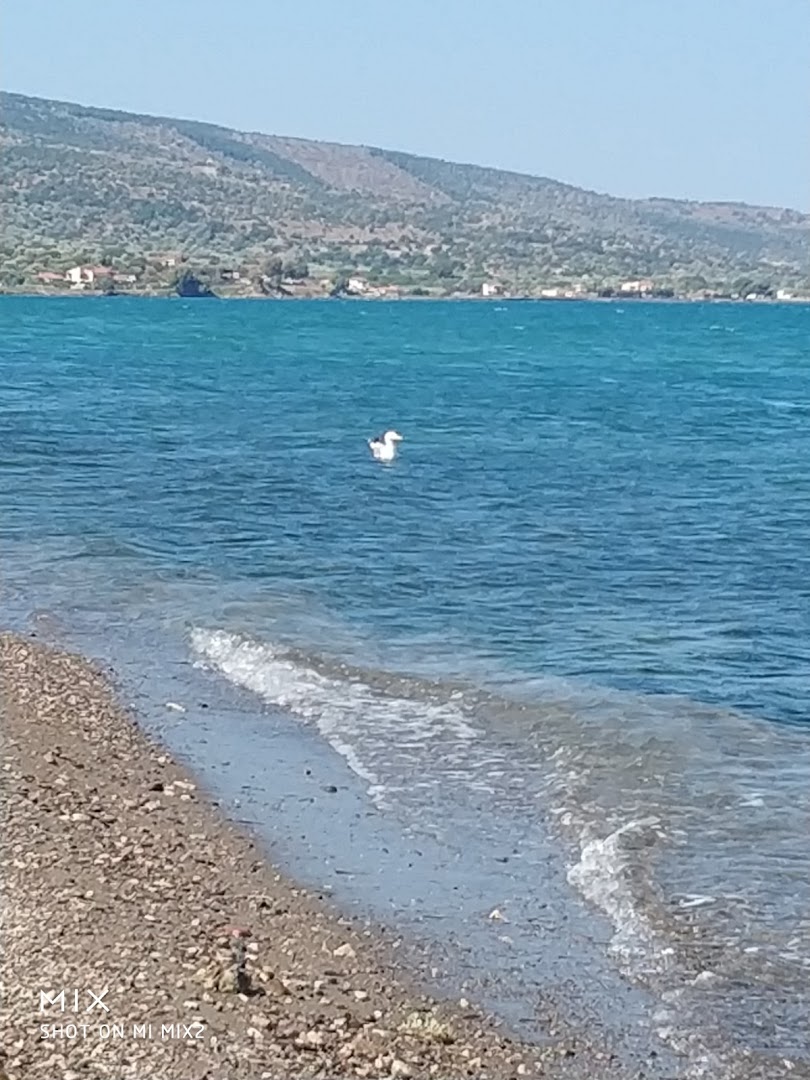
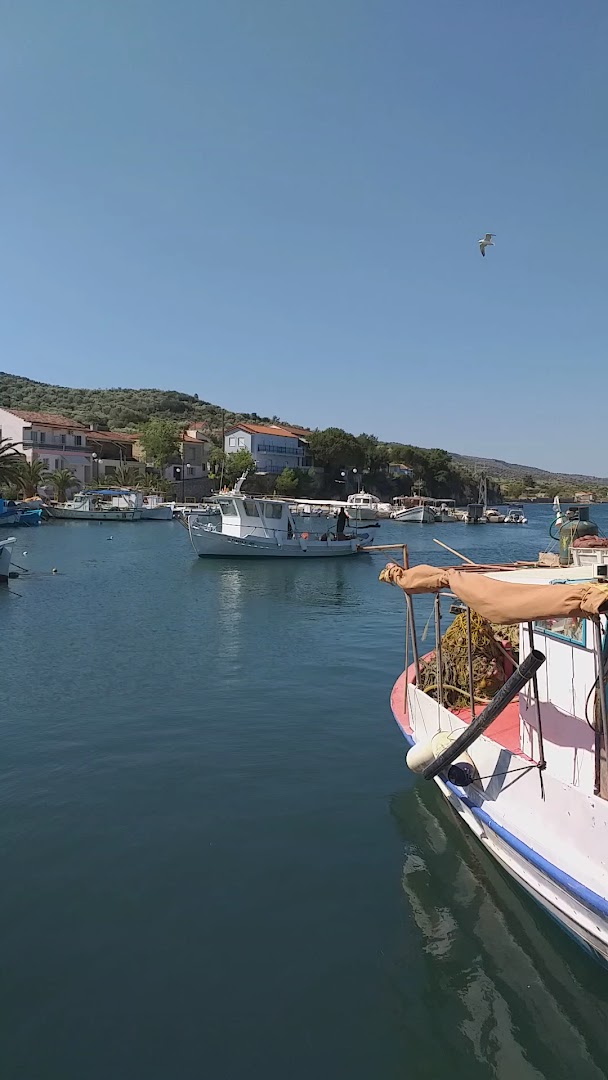
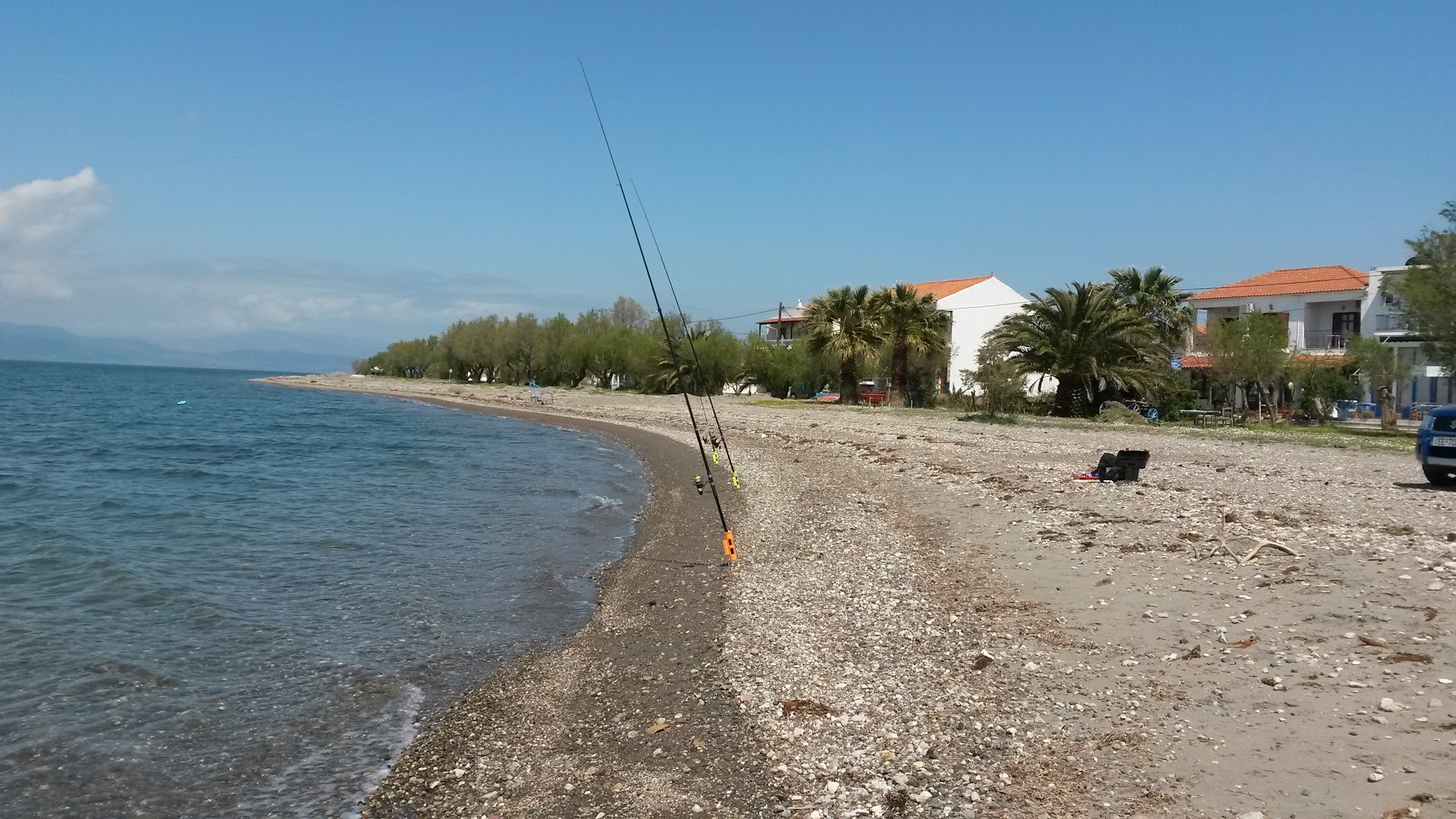
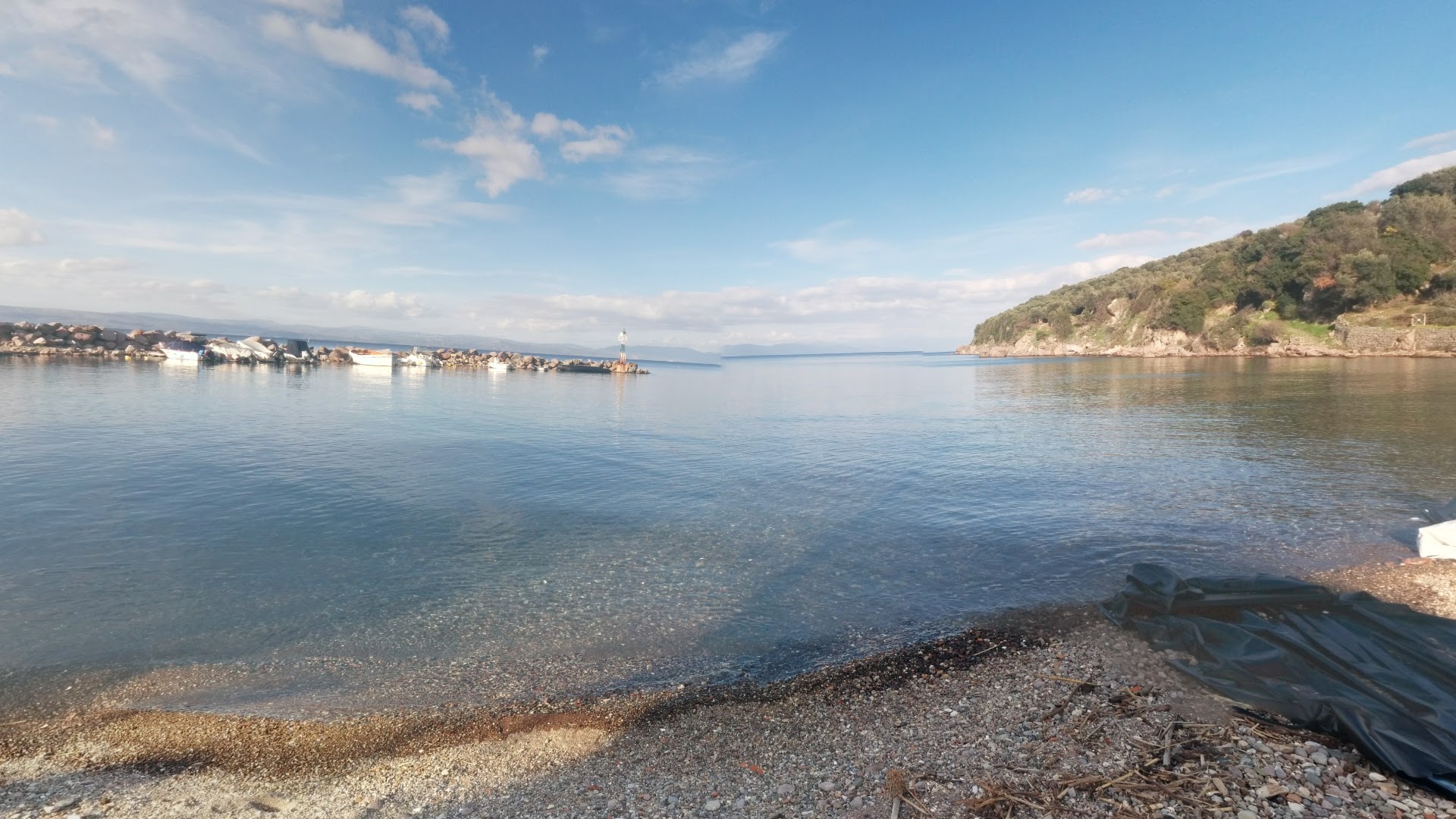
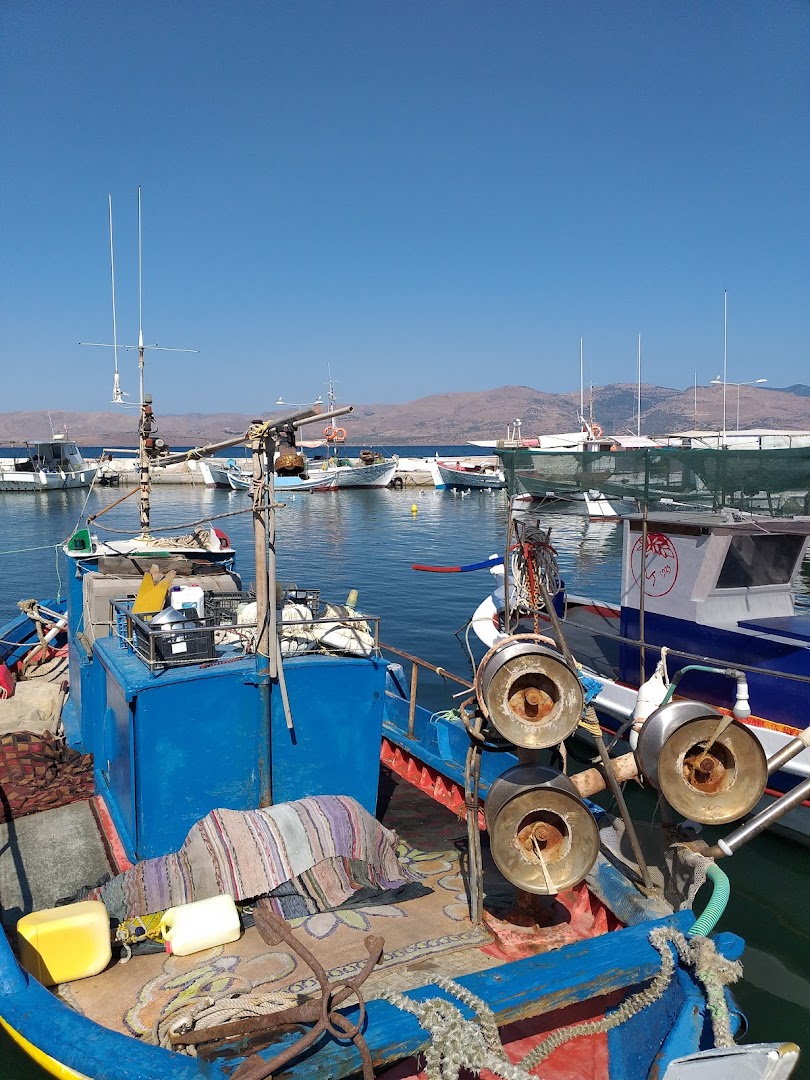
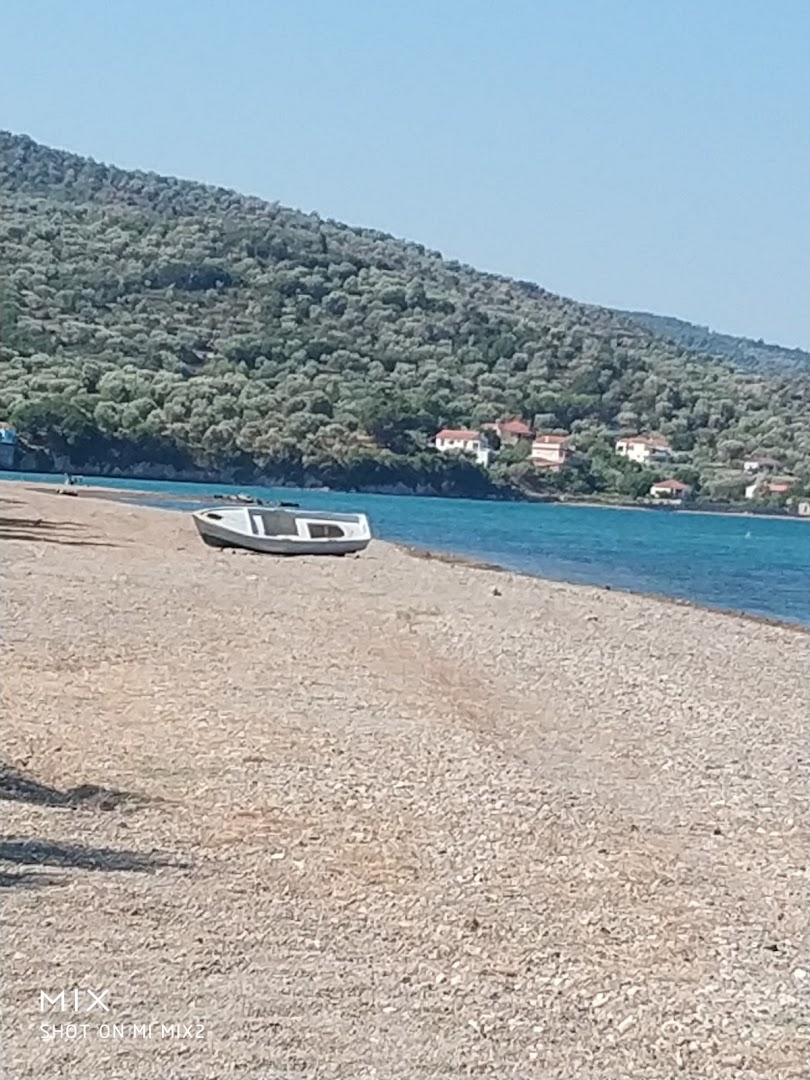
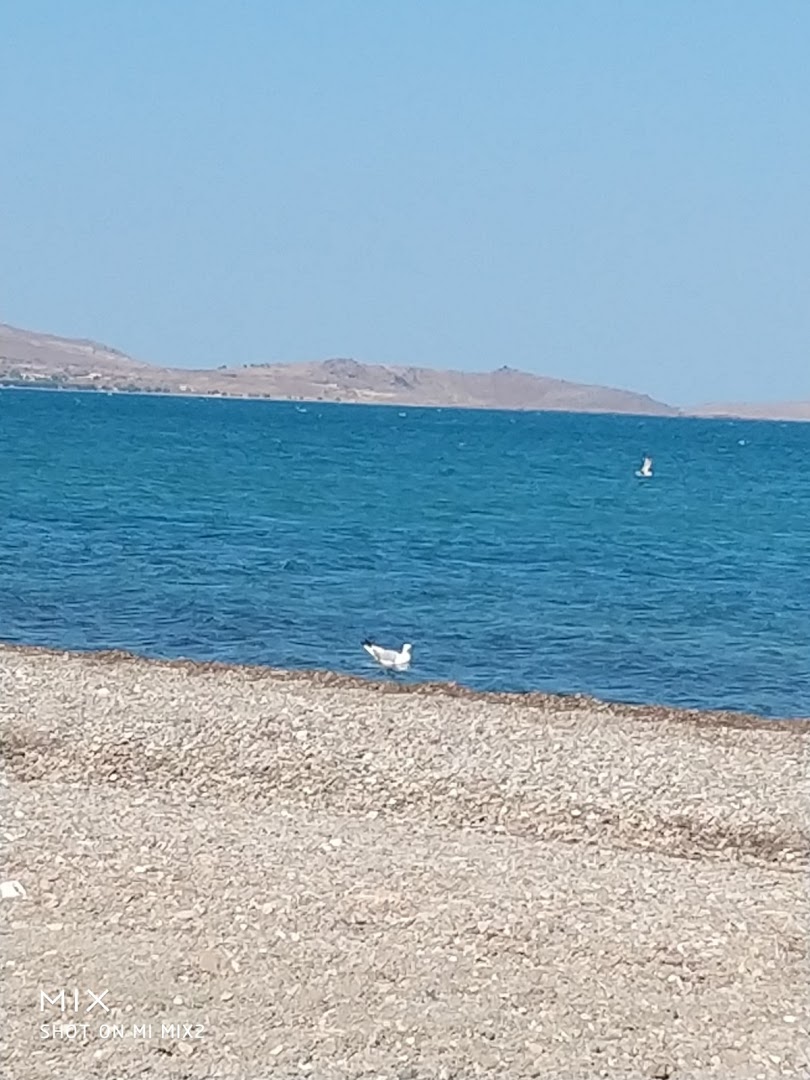
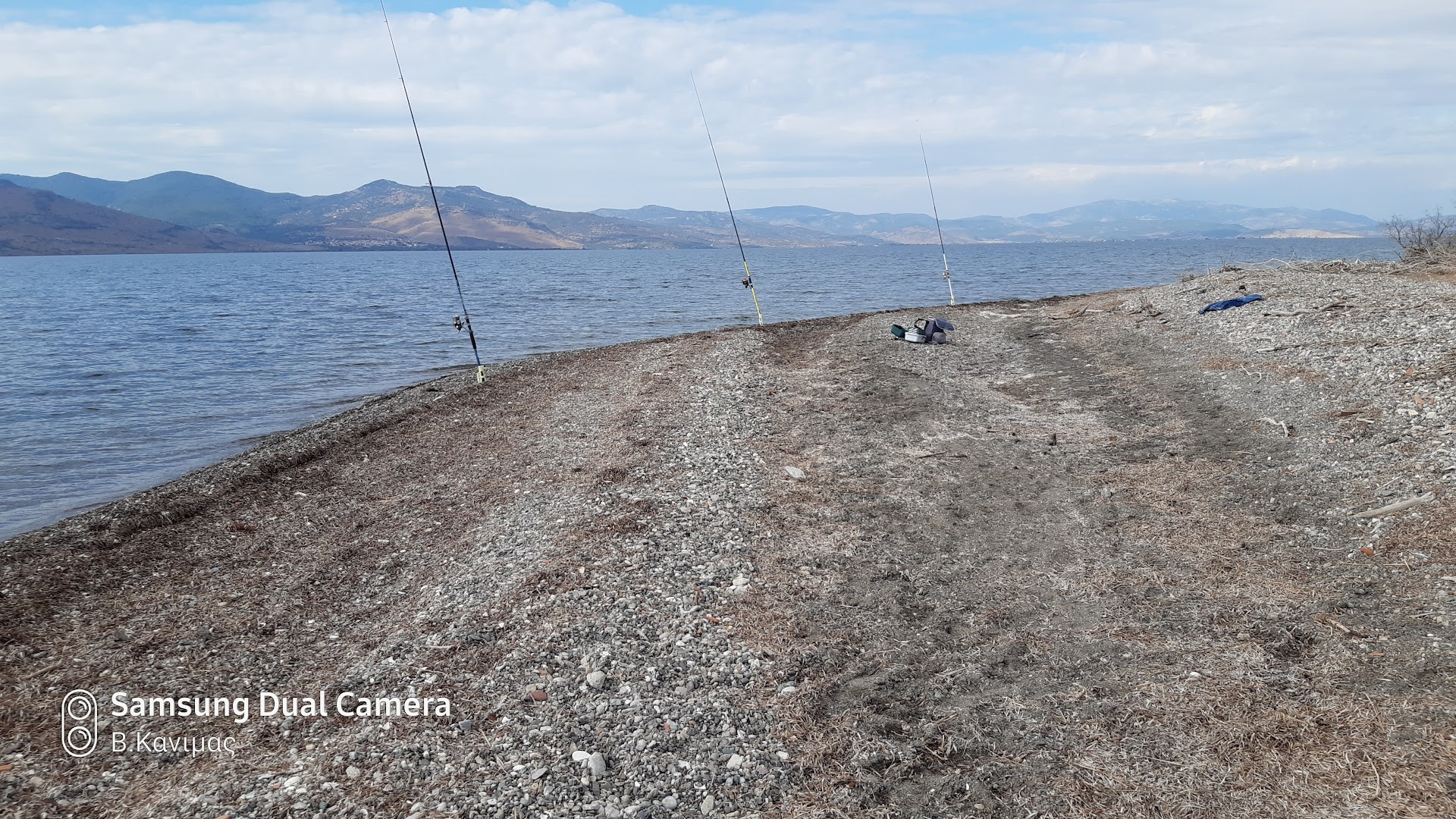
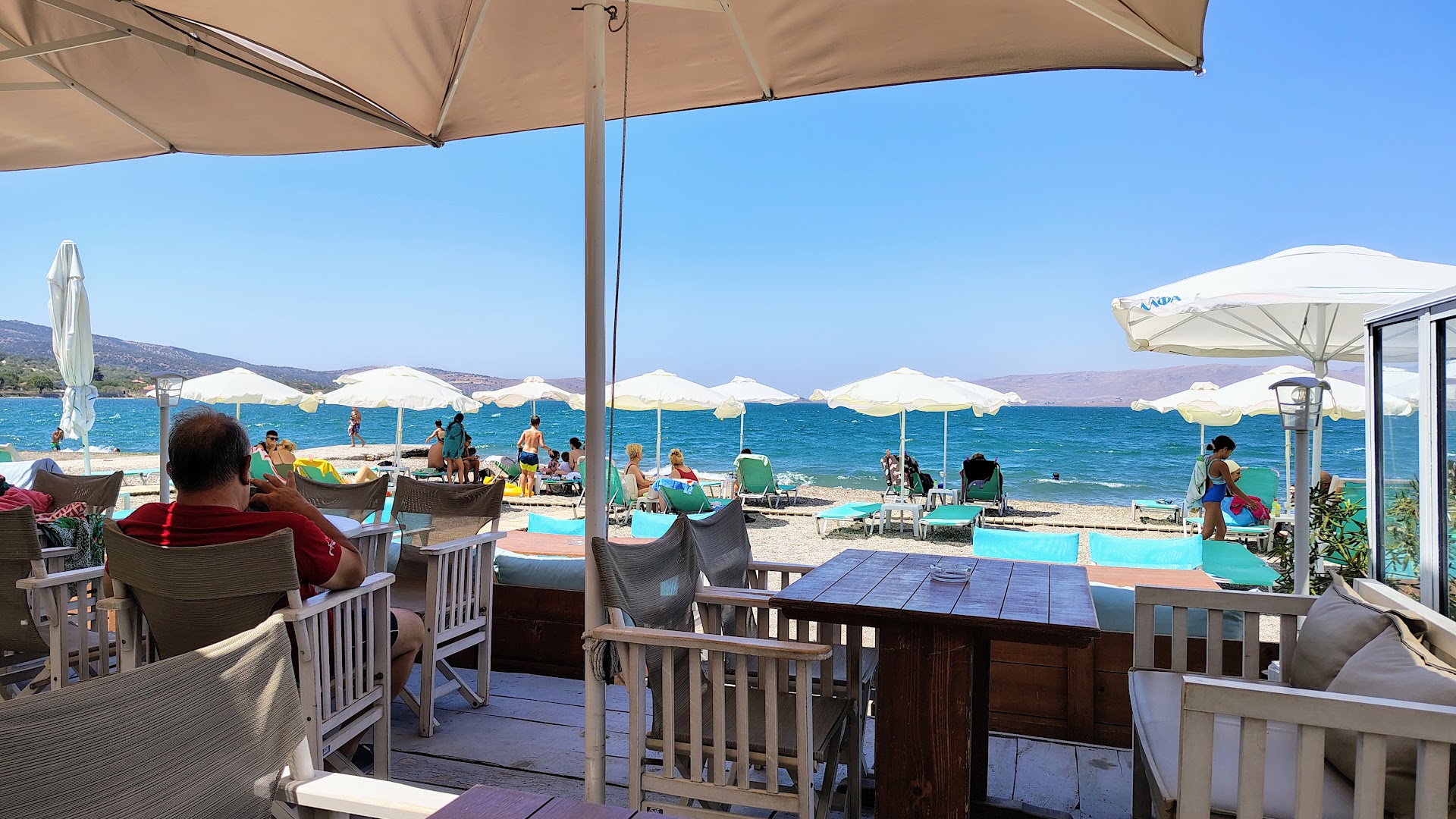
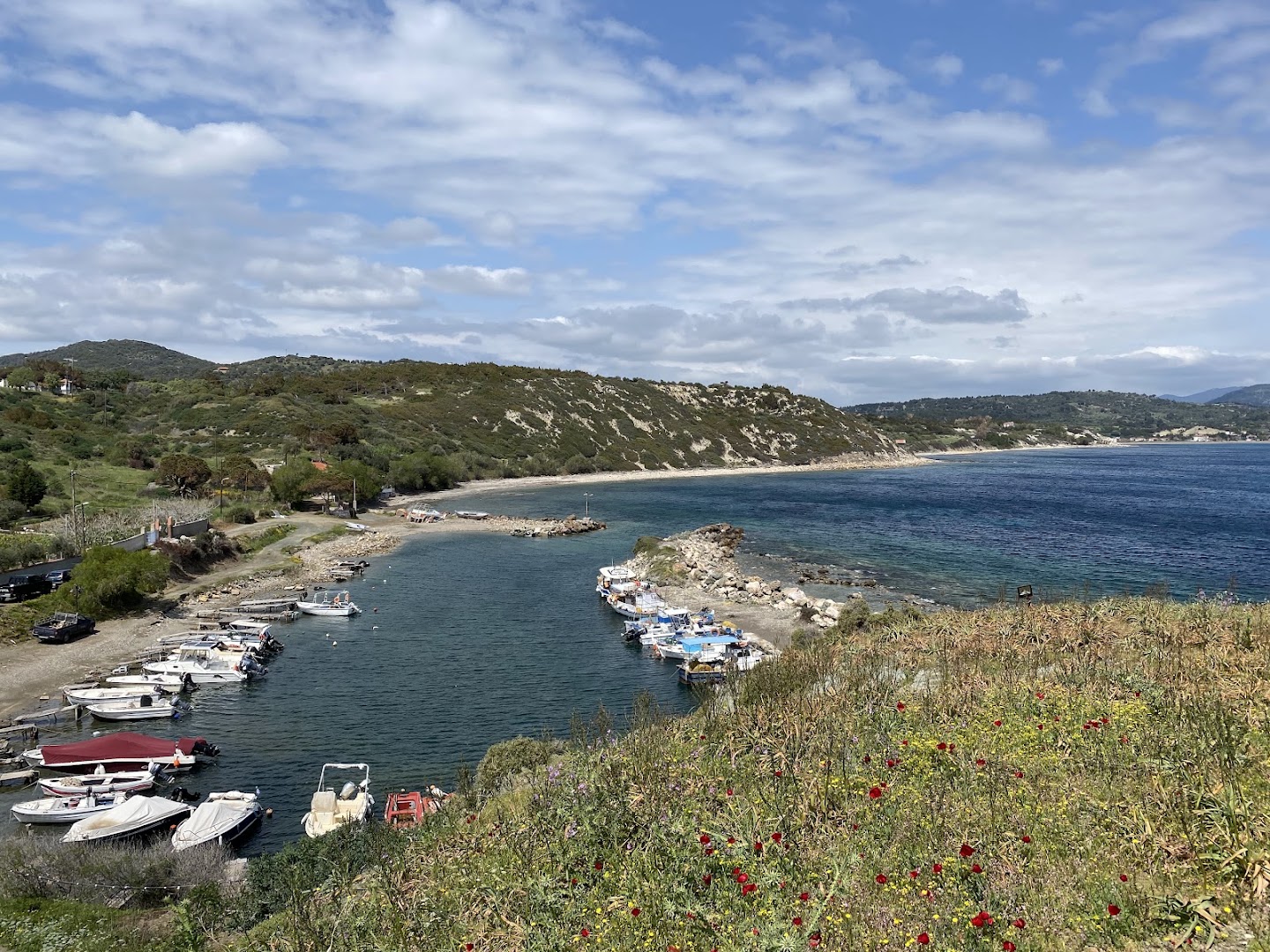
Skala Polichnitou is the coastal extension of Polichnitos, situated at the southern end of the Kalloni Gulf. The village combines a small harbour, a beach, and several seafood tavernas. The nearby salt pans are an important habitat for flamingos and other migratory birds, making the area popular with birdwatchers, especially during spring and autumn migration seasons.
Before you go
What to expect
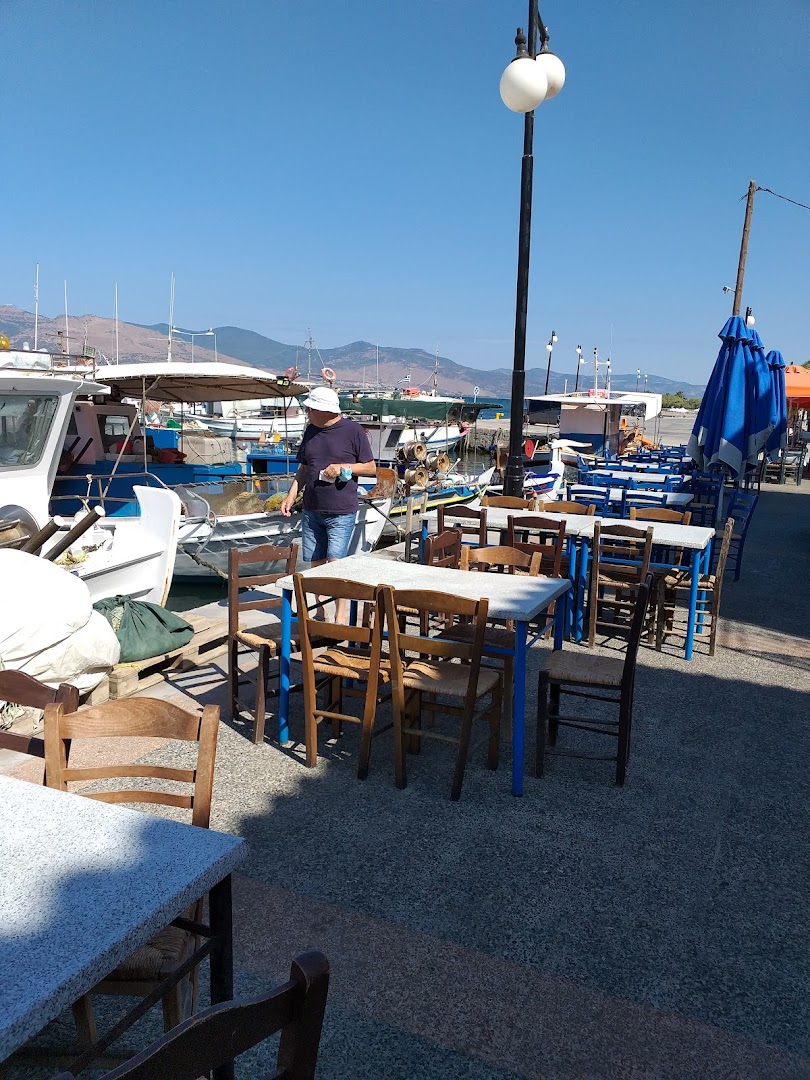
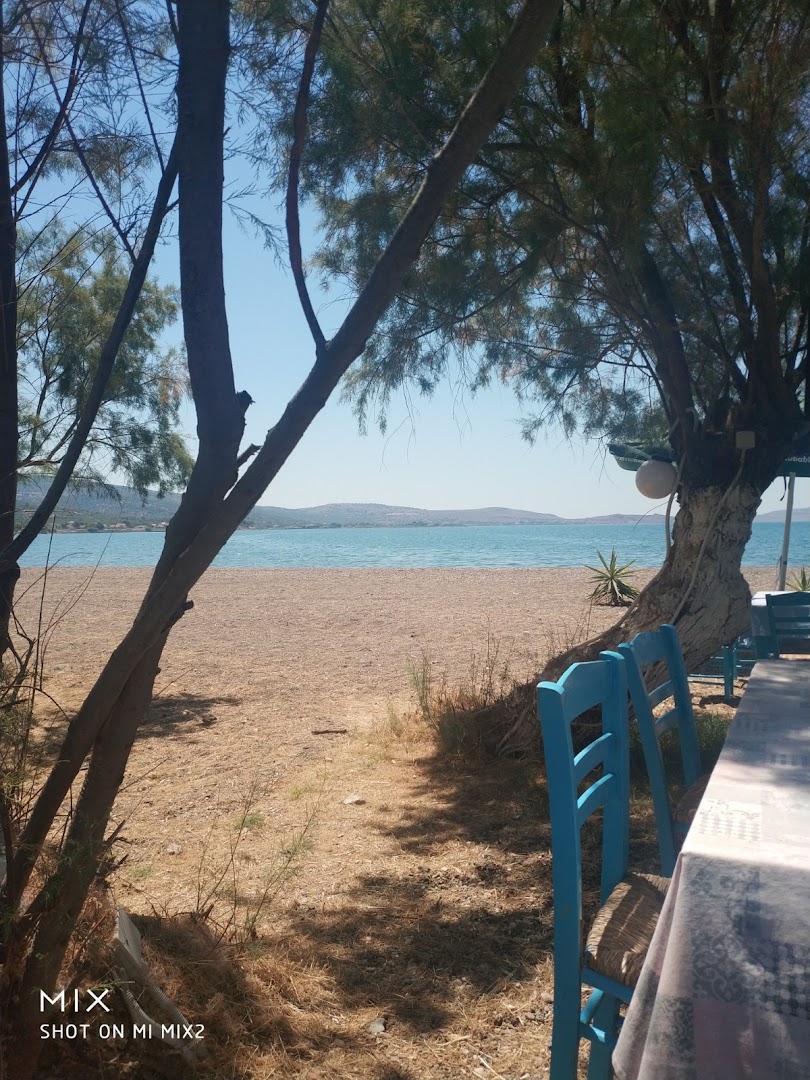
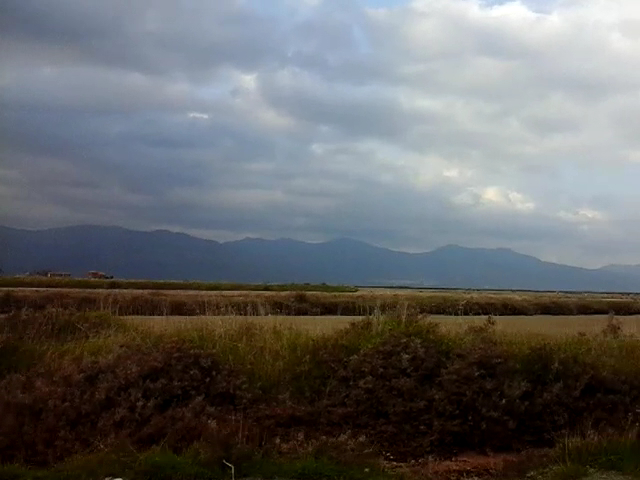
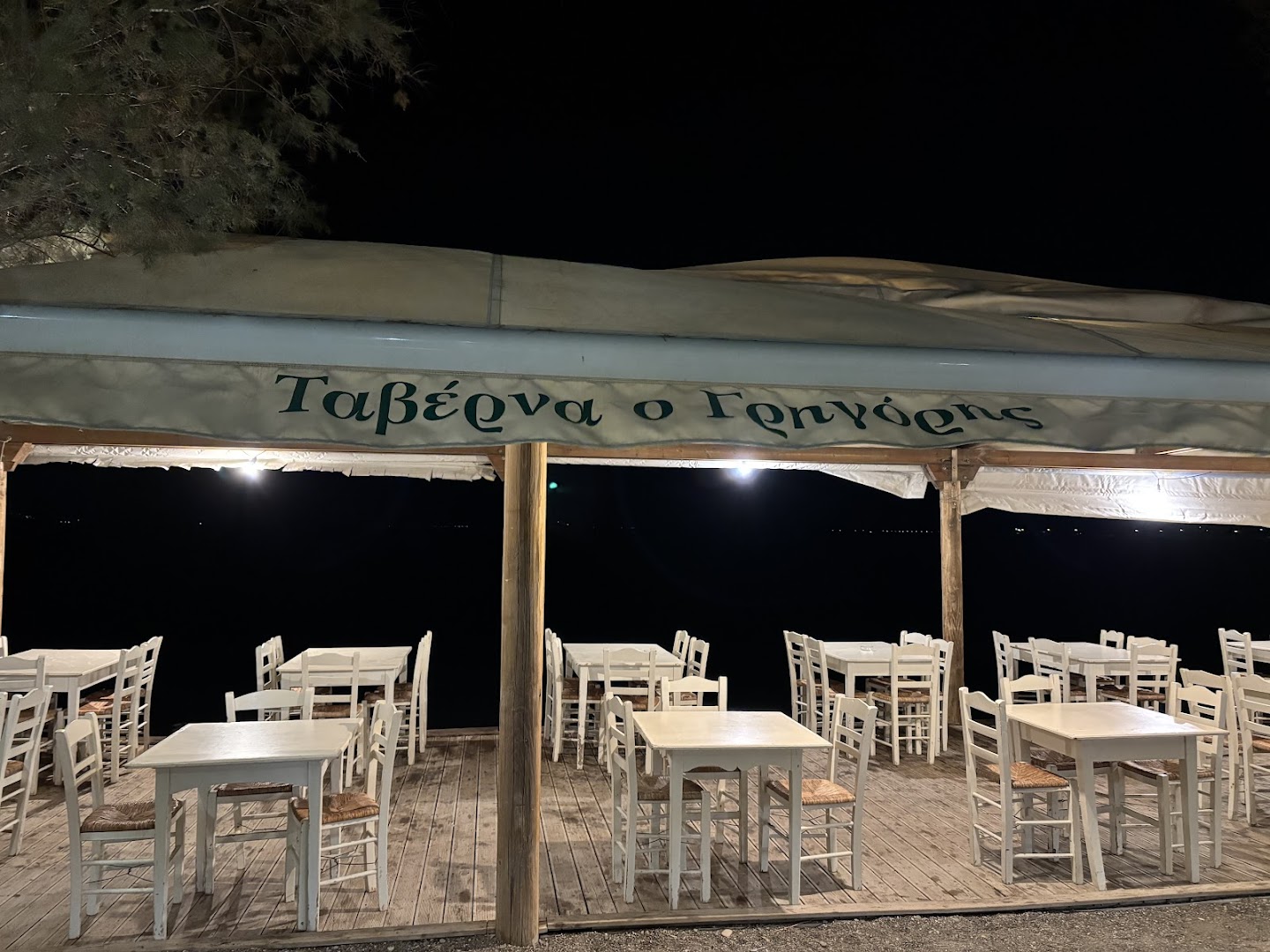
The salt pans just outside the village shimmer with flamingos on a good spring morning — you can watch them from the road with binoculars while the small harbour sits quietly behind you. The seafood tavernas along the waterfront are unhurried places where the catch of the day is genuinely the catch of that day, served simply and without fuss.
Best time to visit
Spring (April–May) and autumn (September–October) bring the best birdwatching; summer is pleasant for swimming and a meal at the harbour, though July and August can be very hot.
How to get there
Head west from Mytilene toward Kalloni, then turn south toward Polichnitos; the road down to the coast brings you into Skala in roughly 45–50 minutes by car.
Top-Rated in Skala Polichnitou
Highest-rated places chosen by visitors
restaurant
Q-P Skala Polichnitos
Nestled in the charming seaside settlement of Skala Polichnitou on the southern shores of Lesvos, Q-P is a restaurant that benefits from one of the island's most tranquil and unspoiled coastal settings. Skala Polichnitou sits at the edge of the Gulf of Kalloni, a sheltered bay renowned for its exceptional sardines and seafood, making this corner of Lesvos a natural destination for lovers of fresh, honest Greek cooking. Dining at Q-P puts visitors at the heart of a working fishing village far removed from the busier tourist trails of the north coast. The surrounding waters of the Kalloni Gulf supply local tavernas and restaurants with the catch that defines the regional table — grilled fish, octopus, and the celebrated Kalloni sardines that have earned a protected designation of origin. A meal here is as much about soaking in the unhurried pace of village life as it is about the food itself. For travellers exploring the lesser-visited southern reaches of Lesvos, Skala Polichnitou offers a genuinely local experience, and Q-P provides a welcoming place to rest and refuel. Whether stopping in after a visit to the nearby Polichnitos thermal springs or simply passing through on a drive around the gulf, this restaurant offers a taste of everyday Lesbian hospitality in a setting that feels authentically Greek.
Restaurant
"O Spyros" Taverna
Tucked into the village of Skala Polichnitou on the southern shore of Lesvos, O Spyros is the kind of taverna that defines the Greek waterside dining experience. Skala Polichnitou sits at the edge of the Gulf of Kalloni, one of the most productive fishing waters in the Aegean, which means the catch arriving at a table here is as fresh as anywhere on the island. The gulf is famed for its sardines, sea bream, and the celebrated Kalloni sardines — small, intensely flavored fish that locals have been salting and eating for generations — and a taverna in this village lives and dies by that bounty. Named in the straightforward Greek tradition after its owner, O Spyros carries the personal, family-run character that distinguishes a genuine neighborhood taverna from a tourist-facing restaurant. Expect grilled fish priced by the kilo, simply dressed horiatiki salads, locally produced olive oil from the island's vast groves, and perhaps a carafe of house wine. The atmosphere is unhurried — this is a corner of Lesvos where the rhythms of fishing and agriculture still set the pace of daily life, and the dining culture reflects that ease. Skala Polichnitou itself is a rewarding detour for visitors exploring southern Lesvos. The area sits close to the hot springs of Polichnitou, reputedly among the hottest natural thermal springs in Europe, and the surrounding salt pans and wetlands attract birdwatchers, particularly during migration season. After a morning of exploring the landscape, a long lunch at O Spyros — shaded, unpretentious, and rooted in the local catch — is exactly the kind of stop that turns a day trip into a proper memory.
rooms
Skala Polichnitou
The main coastal settlement of Skala Polichnitou, offering wheelchair-accessible parking and entrances. This traditional Greek seaside community serves as the port and main attraction for visitors seeking an authentic, less-touristy beach experience with local restaurants and bars.
hotel
Lefteris Rooms with a View
Lefteris Rooms with a View offers comfortable lodging in the laid-back coastal village of Skala Polichnitou, tucked along the southern shore of Lesvos near the Gulf of Kalloni. This part of the island is beloved for its tranquil atmosphere, traditional fishing culture, and the rich birdwatching opportunities that draw nature enthusiasts to the Kalloni wetlands area throughout the year. As the name suggests, the rooms here are positioned to take advantage of the surrounding scenery — a welcome feature in a part of Lesvos where the interplay of sea, salt marshes, and rolling olive-covered hills creates a distinctly peaceful visual backdrop. Guests can expect the kind of personal hospitality that characterises family-run accommodation on the island, making it an ideal base for exploring the quieter south of Lesvos, including the thermal baths at Polichnitos, the salt flats, and the unspoiled beaches nearby. For visitors who want to experience Lesvos beyond its headline destinations, staying at Lefteris Rooms with a View offers an authentic foothold in a working fishing village with easy access to some of the island's most rewarding natural and cultural landscapes.
Practical Info
Supermarket
Not found
Medical / Pharmacy
Not found
Petrol Station
Not found
ATM / Bank
Not found
Transport
Not found
All Businesses
"O Spyros" Taverna
Ankyrovoli Cafe
Gioutes
Lefteris
Lefteris Rooms with a View
Ostria
Paralia Skala Polichnitou
Psirotaverna To Akrogiali
Q-P Skala Polichnitos
Skala Cottage
Skala Polichnitou
Stratos & Toula
Churches & Religious Sites
Αγία Παρασκευή
Agia Paraskevi
Nestled near the quiet fishing settlement of Skala Polichnitou on the southern shores of Lesvos, the church of Agia Paraskevi stands as a testament to the deep Orthodox faith woven into daily life across this Aegean island. Dedicated to Saint Paraskevi, a venerated early Christian martyr whose name means "preparation" in Greek, the church belongs to a tradition of devotion that has persisted in this region for centuries. Saint Paraskevi is beloved throughout Greece and the wider Orthodox world as a protector of eyesight and a healer, and her churches are among the most warmly attended in rural communities. The surrounding area of Polichnitou is one of the oldest continuously inhabited parts of Lesvos, giving this modest sanctuary a sense of rootedness that reaches far back into the island's layered past. Architecturally, the church reflects the vernacular ecclesiastical style common to the eastern Aegean — a whitewashed stone exterior, a simple nave, and an iconostasis that separates the faithful from the sanctuary. Inside, visitors will typically find icons of the saint rendered in the Byzantine tradition, her image serene and golden against a rich background. The atmosphere is intimate and unhurried, a quality shared by many rural churches on Lesvos that serve small, tightly knit communities rather than large urban congregations. The feast day of Agia Paraskevi falls on July 26th, and in villages across Lesvos this occasion is marked with liturgical celebration, communal gatherings, and the warmth of panigiri festivities. For visitors to the Polichnitou area — already drawn by the nearby therapeutic hot springs and the tranquil Gulf of Kalloni — a visit to this church offers a glimpse into the spiritual rhythms that still shape life in rural Lesvos. It is a place less of spectacle than of sincerity, where the continuity of faith and community feels genuinely alive.
Άγιος Γεώργιος
Agios Georgios
Dedicated to Saint George, one of the most beloved and widely venerated saints in the Greek Orthodox tradition, this church serves as a spiritual anchor for the community of Skala Polichnitou, a quiet fishing settlement nestled along the southern shores of the Gulf of Kalloni. Saint George holds a special place in Hellenic culture as a protector of travellers, sailors, and soldiers, and his presence in a coastal village like this feels entirely fitting. The church follows the vernacular ecclesiastical architecture typical of the Aegean islands — a whitewashed exterior, compact nave, and modest bell tower that chimes across the still waters of the gulf — blending harmoniously into the unhurried rhythm of village life. Inside, visitors will find the warmth characteristic of a living parish church: darkened wooden iconostasis panels, oil lamps casting a soft amber glow, and icons of Saint George rendered in the Byzantine tradition, showing the saint on horseback vanquishing the dragon — a symbol of faith overcoming adversity that has resonated deeply with seafaring communities throughout the centuries. While no specific frescoes of exceptional fame are documented here, the devotional objects and votive offerings left by local fishermen and their families speak to generations of sincere piety. The feast day of Saint George, celebrated on the 23rd of April, is observed with a liturgy and communal gathering that draws villagers and visitors alike into a celebration that is as much cultural as it is religious. Skala Polichnitou itself is a place of quiet beauty, and Agios Georgios stands as its moral and communal centre. For travellers exploring the southern Lesvos coastline — drawn perhaps by the nearby thermal springs of Polichnitos or the exceptional birdwatching of the Kalloni Gulf — a visit to this church offers a moment of stillness and a genuine glimpse into the Orthodox faith as it is lived in small Greek communities today, unchanged in its essentials by the passage of time.
Άγιος Γεώργιος
Agios Georgios
Dedicated to Saint George, one of the most beloved saints in the Greek Orthodox tradition, this small church near the coastal settlement of Skala Polichnitou stands as a quiet testament to the deep religious devotion that has shaped life on Lesvos for centuries. Saint George holds a special place in the hearts of Greek communities everywhere — revered as a protector of travelers, soldiers, and farmers — and churches bearing his name are woven into virtually every corner of the island, from hilltop chapels to seaside shrines. This particular church serves the spiritual needs of the fishing and farming families of Skala Polichnitou, a modest village on the southern coast that sits at the edge of the island's famous salt marshes and wetlands. The church likely follows the simple whitewashed basilica style typical of rural Aegean ecclesiastical architecture, with a barrel-vaulted interior, an ornate wooden iconostasis separating the nave from the sanctuary, and oil lamps casting a warm glow over the painted icons within. As with most village churches of this type, the iconostasis would feature a central icon of Saint George — traditionally depicted as a young warrior on horseback slaying a dragon, symbolizing the triumph of good over evil. The interior atmosphere is one of stillness and accumulated prayer, the kind of sacred quiet that invites reflection even for secular visitors. The feast day of Saint George falls on April 23rd in the Orthodox calendar, and like most Greek village churches, Agios Georgios would come alive on this day with a panigiri — a combination of religious liturgy and communal celebration involving music, food, and dancing. These festivals are among the most authentic expressions of Greek island culture, drawing together locals and visitors alike in a tradition that reaches back through Byzantine and even pre-Christian roots. For travelers exploring the southern coast of Lesvos, stopping at this unassuming chapel offers a genuine glimpse into the spiritual fabric of island life, far from the tourist trail.
Αγιος Ιωαννης
Agios Ioannis
Nestled near the quiet fishing settlement of Skala Polichnitou on the southern shores of Lesvos, the church of Agios Ioannis stands as a testament to the deep Orthodox faith woven into the fabric of everyday island life. Dedicated to Saint John — most likely Saint John the Baptist, known in Greek tradition as Agios Ioannis Prodromos, the forerunner of Christ — the church serves as a spiritual anchor for the local community and the surrounding villages of the Polichnitou valley. Like so many of Lesvos's rural churches, it reflects the vernacular ecclesiastical architecture typical of the eastern Aegean: whitewashed walls, a modest bell tower, and a red-tiled roof that harmonizes with the sun-baked landscape of olive groves and salt flats that characterize this corner of the island. Inside, visitors can expect the intimate atmosphere common to small Greek Orthodox churches, where the smell of incense and beeswax candles mingles with the cool air, and gilded icons shimmer in the soft light filtering through narrow windows. The iconostasis — the carved wooden screen separating the nave from the sanctuary — would typically feature depictions of Saint John alongside the Virgin and Christ, painted in the Byzantine tradition that has remained the spiritual visual language of Greek Orthodoxy for centuries. The feast day of Saint John the Baptist, celebrated on the 24th of June, is a joyful occasion in communities across Lesvos, often marked with liturgy, community gathering, and the particular warmth that Greek island panegyria bring to the long summer days. For visitors exploring the southern reaches of Lesvos, Agios Ioannis offers a moment of quiet reflection away from the better-known tourist trails. Skala Polichnitou itself sits near the edge of the Kalloni Gulf, one of the finest birdwatching destinations in the Mediterranean, and the church makes a natural pause on any journey through this peaceful, largely undiscovered part of the island. Whether you arrive during the feast day celebrations or simply to admire the timeless simplicity of a village church embedded in its landscape, Agios Ioannis embodies the spiritual and communal life that has shaped Lesvos for generations.
Άγιος Ιωάννης
Agios Ioannis
Agios Ioannis is a modest Orthodox church nestled near the fishing settlement of Skala Polichnitou, on the southern shore of the Gulf of Kalloni. Dedicated to Saint John — most likely Saint John the Baptist or Saint John the Theologian, both deeply venerated figures in the Greek Orthodox tradition — the church reflects the quiet piety that characterizes the religious landscape of rural Lesvos. Like many village churches on the island, it follows the simple whitewashed vernacular style common to the Aegean, where thick stone walls, a tiled roof, and a small bell tower create a form that has remained largely unchanged for centuries. The interior, as is typical of such chapels, likely houses a hand-painted iconostasis screening the sanctuary, with icons rendered in the Byzantine tradition that give worshippers a sense of continuity with the earliest centuries of Christian practice. For the local community of Skala Polichnitou and the surrounding area, churches like Agios Ioannis serve as far more than places of weekly worship. They are the living center of community identity, gathering families together for namedays, baptisms, weddings, and the cycle of Orthodox feast days. The feast of Saint John the Baptist, celebrated on June 24th, is one of the most joyful in the Orthodox calendar, coinciding with the summer solstice and traditionally marked by bonfires, music, and communal meals. If the church is dedicated to Saint John the Theologian, his feast on May 8th draws local faithful for a liturgy followed by the kind of unhurried celebration — coffee, ouzo, and meze shared in the shade — that defines Greek village life. Visitors to this corner of Lesvos will find Agios Ioannis a peaceful place to pause and absorb the spiritual texture of the island. The Gulf of Kalloni nearby is one of the great birdwatching sites of the eastern Mediterranean, and the roads around Skala Polichnitou wind through olive groves and salt flats that have sustained the island's inhabitants for millennia. Stopping at a small church like this one offers a moment of stillness and a genuine connection to the Orthodox faith that has shaped Lesvos across centuries of Byzantine, Genoese, Ottoman, and modern Greek history.
Μοναστηράκι (Άγιος Γεώργιος)
Monastiraki (Agios Georgios)
Tucked into the landscape near Skala Polichnitou in southern Lesvos, the church of Agios Georgios — known locally as Monastiraki, meaning "little monastery" — hints through its very name at a monastic past. Such diminutive monasteries were once scattered across the Aegean islands, serving as quiet centres of faith and community life for the surrounding villages and fishing settlements. Dedicated to Saint George, one of the most beloved and widely venerated saints of the Greek Orthodox Church, this modest sanctuary carries the weight of centuries of local devotion. Saint George holds a particularly important place in Greek spiritual culture, revered as a protector of sailors, farmers, and soldiers alike — a fitting patron for a community nestled between the fertile valleys of southern Lesvos and the waters of the gulf. Visitors approaching Monastiraki will find the intimate character typical of rural Aegean ecclesiastical architecture: thick whitewashed walls, a simple bell tower, and an interior that invites quiet contemplation. Churches of this type often preserve old icons brought by generations of faithful parishioners, their surfaces darkened by the smoke of countless oil lamps and candlelight. The feast day of Saint George, celebrated on the 23rd of April (or the Monday after Easter when it falls during Holy Week), is the occasion when Monastiraki truly comes alive, drawing villagers from Skala Polichnitou and the surrounding area for the liturgy, followed by the communal gathering that is inseparable from Greek Orthodox feast days. For the traveller, a visit here offers not just a glimpse into the island's religious heritage, but a chance to experience the living tradition of faith that continues to anchor daily life in rural Lesvos.
Άγιος Φανούριος
Άγιος Φανούριος
Nestled in the quiet coastal settlement of Skala Polichnitou, on the sheltered southern shore of Lesvos near the Gulf of Kalloni, this Orthodox church stands as a focal point of community life in a village shaped by fishing and the rhythms of the sea. Like so many churches scattered across the Aegean islands, it likely bears the name of a saint or the Virgin Mary, reflecting the deep Orthodoxy that has defined Greek island culture for centuries. The building itself is characteristic of the vernacular ecclesiastical architecture of the eastern Aegean — typically whitewashed walls, a modest dome or bell tower, and a blue-painted door that frames the threshold between the everyday world and the sacred interior. Inside, visitors can expect the warm, resinous scent of incense that permeates all Orthodox churches and, if the church is open, the soft glow of candlelight illuminating an iconostasis screen adorned with painted icons of Christ, the Theotokos, and the patron saint. Many such rural churches on Lesvos contain icons that have been venerated by local families for generations, some painted in the post-Byzantine style still practiced in the region. The church serves the spiritual life of the small community year-round, and on the feast day of its patron saint the village comes alive with a panigiri — a celebration combining liturgy, shared food, music, and dancing that is one of the most authentic expressions of Greek island tradition a traveler can witness. Skala Polichnitou itself sits close to one of Lesvos's lesser-known natural attractions, the hot springs of Polichnitou, and the surrounding landscape of saltpans and wetlands draws birdwatchers from across Europe. A visit to this church offers a moment of stillness and cultural grounding within a day otherwise filled with the island's remarkable natural diversity. Whether you arrive during a service or simply pause at the door, the church invites reflection on the long continuity of faith, community, and seafaring life that has defined this corner of the Aegean.
Gallery & Videos
Captured a memorable moment in Skala Polichnitou?
Nearby
Beaches
Paralia Nyfidas
4 km away
Paralia Ammoudi
5.8 km away
Agios Fokas Beach
7.4 km away
Makara
8.4 km away