


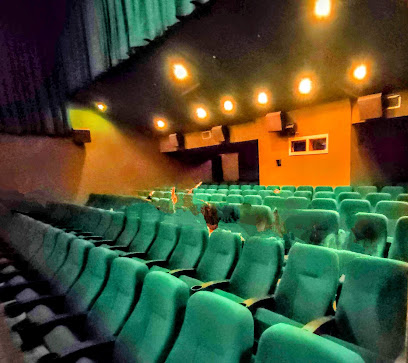
Βαρειά
Vareia
Population
1,133
Elevation
9m
Municipality
Mytilini
Postal Code
811 00
From Mytilene
3.7 km
Nearest Beach
Vareia Beach 4
Overview
Vareia is a quiet coastal village sitting just a few kilometres north of Mytilene, the island's capital, at almost sea level along the eastern shore of Lesvos. With a population of around 1,100 residents, it has the character of a settled, unhurried community whose fortunes have long been tied to the olive groves and fishing grounds that define this part of the Aegean. The village feels almost like an extension of Mytilene itself, yet it retains a distinct identity shaped by centuries of agricultural life and, more unexpectedly, by a remarkable artistic legacy that puts it on the cultural map of modern Greece.
That legacy belongs above all to two of Lesvos's most celebrated sons, both connected to Vareia. The self-taught painter Theophilos Hatzimihail, who spent much of his life wandering Lesvos and depicting its landscapes, festivals, and folk heroes in vivid, unschooled canvases, is honoured here at the Theophilos Museum. Equally significant is the Teriade Museum, dedicated to Stratis Eleftheriadis — known in Paris as Teriade — who was born in Vareia and went on to become one of the twentieth century's most influential art editors and publishers. His Parisian journal Verve introduced the world to major modernist artists, many of whom gifted works to Teriade that now hang in this museum: canvases by Picasso, Matisse, Chagall, Léger, and Miró sit in a modest building by the Aegean, an almost surreal concentration of European modernism in a small Greek village. It was Teriade who first championed Theophilos to a wider audience, and the proximity of the two museums makes Vareia a genuinely unmissable stop for anyone drawn to art or the island's cultural history.
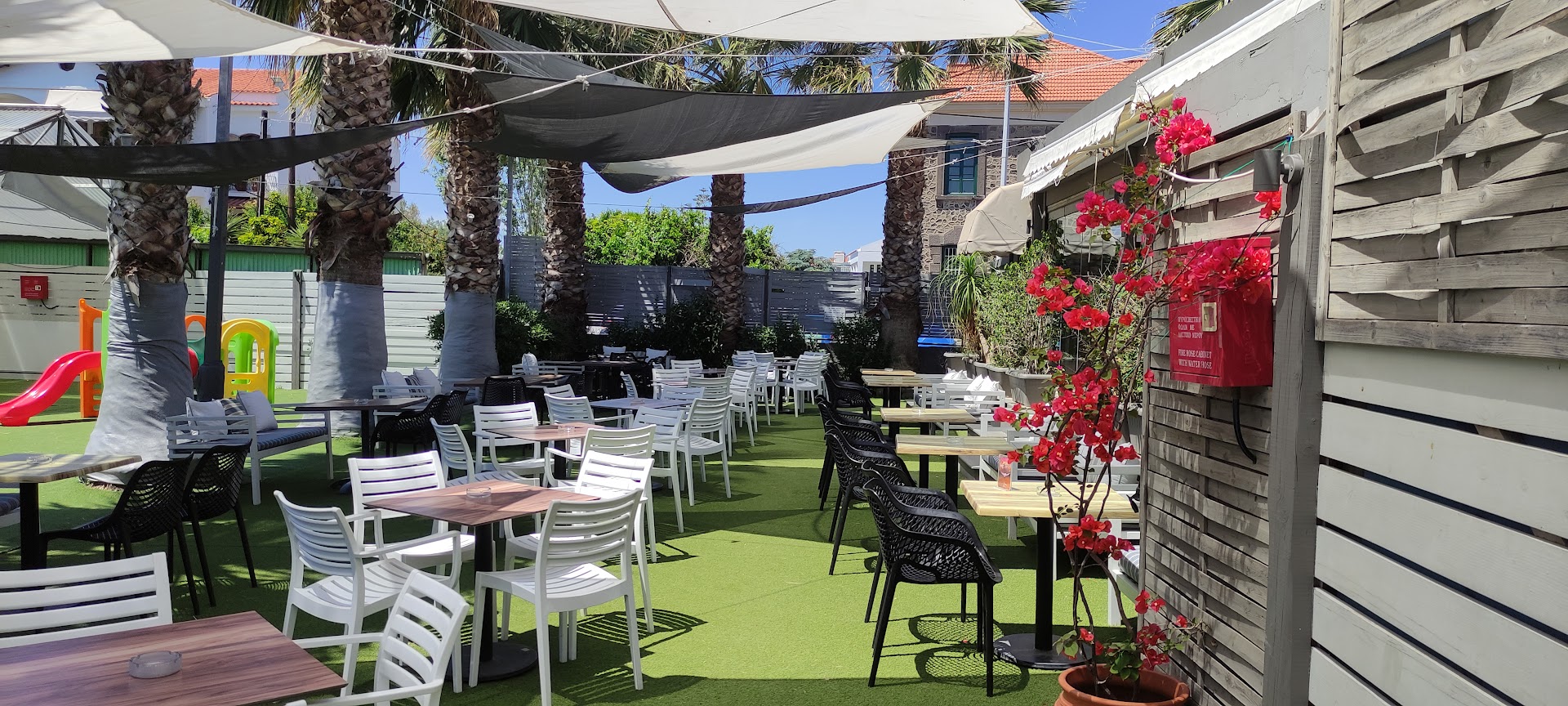
Beyond the museums, Vareia rewards the visitor with the everyday pleasures of an authentic Lesbian village: tavernas serving fresh seafood and locally pressed olive oil, a gentle shoreline suited to an evening stroll, and the easy rhythms of a community that has not been reshaped by mass tourism. The flat coastal terrain and proximity to Mytilene make it easily accessible by car or bicycle, and many visitors combine a morning exploring the museums with an afternoon in the capital. For those who want to understand the soul of Lesvos — its deep roots in Mediterranean tradition and its surprising capacity to produce world-class creative talent — Vareia offers both in generous measure.
Before you go
What to expect
The Teriade Museum stops you in your tracks — canvases by Picasso, Matisse, and Chagall hang in a modest building with the Aegean visible just outside, a concentration of modernist work you'd expect to find in a European capital. Once you've crossed the road to the Theophilos Museum and seen his vivid folk paintings, the village itself offers a gentle counterpoint: a seafront suited to an unhurried walk, tavernas serving fish caught that morning and olive oil pressed nearby.
Best time to visit
Late spring through early autumn is the right window; July and August bring heat but the coastal position keeps evenings comfortable.
How to get there
Vareia sits about 3.5 kilometres north of Mytilene — a 10-minute drive or an easy bicycle ride along the eastern coastal road, making it a natural first stop out of the capital.
Top-Rated in Vareia
Highest-rated places chosen by visitors
service
Vasilis S. Gdoutos Construction
Vasilis S. Gdoutos Construction is a local construction company serving the area around Vareia, a quiet coastal village situated just a short drive south of Mytilene, the capital of Lesvos. Construction and building services are an essential part of the island's infrastructure, supporting everything from the restoration of traditional stone houses to new residential and commercial developments that meet the demands of a growing tourism sector. For visitors planning a longer stay or considering property investment on Lesvos, a reputable local construction firm can be an invaluable resource. Whether the need involves renovation of an older village home, structural repairs after the seismic activity that the eastern Aegean occasionally experiences, or ground-up building work, a locally based contractor brings knowledge of regional materials, island building codes, and the particular conditions of the Aegean climate. The proximity to Vareia and Mytilene means the business is well positioned to serve both the island's urban core and the surrounding villages.
Construction material wholesaler
LESVOS EMPORIUM LTD
Tucked near the charming village of Vareia, just a short drive south of Mytilene along the island's eastern coastline, Lesvos Emporium Ltd offers visitors a convenient and rewarding stop to discover the island's celebrated local products. The Vareia area sits in one of the most culturally rich corners of Lesvos, close to the Theophilos Museum and within easy reach of the capital, making it a natural gathering point for those exploring the region. A visit here is an opportunity to bring a piece of Lesvos home. As its name suggests, the emporium spirit runs through this establishment, making it a destination for those seeking out the island's finest goods. Lesvos is renowned across Greece and beyond for the quality of its extra virgin olive oil, its distinctive ouzo distilled from local anise, and a range of artisanal food products shaped by centuries of tradition. Whether you are stocking up on provisions for a day's excursion or searching for meaningful gifts to take back, a business of this kind serves as a practical and pleasurable link between the island's producers and its visitors. For travellers who want more than just scenery from their time on Lesvos, stopping at local businesses near Vareia is a way to engage with the living economy of the island and support the communities that keep these traditions alive. The proximity to both Mytilene and the quieter village roads means Lesvos Emporium Ltd is easily woven into a broader itinerary, offering a grounded and authentic complement to the beaches, monasteries, and historic sites that draw visitors to this exceptional Aegean island.
rooms
Sappho Studios
Sappho Studios takes its name from Lesvos's most celebrated daughter, the ancient lyric poet Sappho, whose verses once charmed the ancient world and whose legacy still draws visitors to this island today. Located in the village of Vareia, just south of Mytilene along the eastern shore, these studio apartments offer a comfortable self-catering base within easy reach of the island's capital and its many amenities. Vareia itself is a quiet residential village with a local character distinct from the bustle of Mytilene, yet close enough that the city's waterfront tavernas, markets, and ferry connections are only a short drive away. For travelers who prefer the flexibility of their own space, studio accommodations like these are an ideal choice on Lesvos. Guests can settle in at their own pace, prepare light meals, and use the studios as a home base for day trips to the island's beaches, villages, and natural landmarks. The eastern coast around Mytilene offers ready access to the petrified forest road heading west, the thermal baths at Thermi to the north, and the traditional fishing harbors that dot the gulf. Sappho Studios provides a relaxed and independent way to experience Lesvos, combining the warmth of a small-scale guesthouse with the practical comforts visitors need for an unhurried island stay.
rooms
Sappho Studios - One-Bedroom Apartment
Named after Lesvos's most celebrated ancient daughter, the lyric poet Sappho, these self-catering studios sit in the quiet coastal village of Vareia, just a short drive north of Mytilene along the eastern shore. The location places guests within easy reach of the island's capital while offering the calm of a small seaside community that moves at its own unhurried pace. The one-bedroom apartment format suits couples and solo travellers who prefer the independence of their own space — a kitchen to prepare fresh produce from the Mytilene market, a sitting area to unwind after a day of exploring, and a base from which to reach both the city's ferry connections and the island's interior in minutes. Vareia itself is home to the Theophilos Museum and the Teriade Museum, making the neighbourhood a quiet cultural pocket that rewards guests who take the time to walk its lanes. Staying in this part of Lesvos means waking up to the gentle rhythms of the Aegean, with the Turkish coastline visible on clear mornings across the narrow strait. For visitors who want to experience Lesvos beyond the resort beaches of the north, accommodation in Vareia offers an authentic foothold on an island shaped as much by its literary and artistic heritage as by its natural beauty.
Practical Info
Supermarket
5 stores
Medical / Pharmacy
Valassias Margaritigou Pharmacy
Petrol Station
Not found
ATM / Bank
Not found
Transport
2 services
All Businesses
1markets
5th Geniko Likio Mitilinis
Agas Ceramics
Akti Vigla Premium
Akti Vigla Premium
Alexandros Tzivoglou
Axis Language Center
Barber Litsa
Candyshop
Dr Nizar
Express Market - Ano Chalikas
Filoxenia Apartments
Churches & Religious Sites
ΑΓ ΑΝΤΩΝΗΣ
Ag Adonis
Tucked into the landscape near the coastal village of Vareia, just a short distance from Mytilini, the small church of Agios Adonis stands as a quiet testament to the deep Orthodox faith woven into daily life on Lesvos. Dedicated to Saint Adonis, an early Christian martyr venerated in the Orthodox calendar with his feast day observed on May 4th, the church carries a dedication that resonates with particular cultural layering — the name Adonis itself echoes the ancient pre-Christian world, reminding visitors that the sacred landscape of the Aegean was continuously reinscribed across centuries of belief. Like many rural chapels on the island, it likely follows the simple whitewashed vernacular style characteristic of Lesvos, with a modest interior that concentrates devotion rather than grandeur. Vareia itself is a village of quiet distinction, known to literary pilgrims as the birthplace of the Nobel laureate poet Odysseas Elytis, and the surrounding area reflects the layered cultural richness of this corner of the island. A chapel such as Agios Adonis would have served as a focal point for the local community across generations, gathering neighbours for the saint's name day liturgy each spring and offering a place of private prayer throughout the year. On feast days, small rural churches like this one come alive with candlelight, incense, and the unhurried rhythms of Orthodox ceremony — experiences that connect modern visitors to a tradition stretching back many centuries. For travellers seeking the quieter, more intimate face of Lesvos beyond its famous beaches and museums, a visit to this unassuming chapel offers a genuine encounter with the island's living spiritual heritage.
Αγία Παρασκευή
Agia Paraskevi
Tucked into the landscape near Vareia, a village celebrated as the birthplace of the beloved folk painter Theophilos, the church of Agia Paraskevi stands as a quiet testament to the deep Orthodox faith that has shaped life on Lesvos for centuries. Dedicated to Saint Paraskevi of Rome, a revered early Christian martyr whose name means "preparation" in Greek — evoking the day before the Sabbath — the church belongs to a tradition of intimate village sanctuaries that have long served as gathering points for prayer, community, and the marking of life's milestones. Her feast day falls on July 26th, a date celebrated with particular warmth across the island, when locals and visitors alike may be welcomed into candlelit services accompanied by the smell of incense and the sound of Byzantine chant. The church reflects the modest, whitewashed vernacular style common to ecclesiastical architecture in the eastern Aegean, where simplicity of form belies a richness of interior devotion. Visitors stepping inside will typically find an iconostasis — the carved wooden or stone screen separating the nave from the sanctuary — adorned with icons painted in the Byzantine tradition, their gold-leafed haloes glowing softly in the light filtering through small arched windows. Saint Paraskevi herself is frequently depicted holding a cross and a dish bearing two eyes, an iconographic detail rooted in the tradition that she is the protector of eyesight and those who suffer from ailments of vision, making her a particularly beloved intercessor among the faithful. For travelers exploring the southern reaches of Lesvos, a visit to this church offers something quieter than the island's more famous Byzantine monuments, yet no less meaningful. The setting near Vareia connects the sacred and the artistic: to stand near this small sanctuary is to inhabit the same landscape that shaped Theophilos's luminous visions of Greek life and mythology. The church is a living place of worship rather than a museum piece, and approaching it with respectful curiosity — dressed modestly, arriving outside of service times if simply exploring — rewards visitors with an authentic glimpse into the rhythms of faith that continue to sustain this corner of the Aegean.
ΑΓΙΟΙ ΠΑΤΕΡΕΣ
Agioi Pateres
Standing quietly in the landscape near Vareia, the church of Agioi Pateres — the Holy Fathers — carries a dedication that speaks to the deep theological roots of Greek Orthodoxy. The title honors the great fathers and teachers of the early Christian Church, those foundational figures whose writings and councils shaped Orthodox doctrine and worship across the centuries. Such dedications are beloved in the eastern Aegean, where communities have long felt a living connection to the ancient traditions of Byzantium, and a church bearing this name serves as a reminder that faith here is not merely local but part of a vast, unbroken spiritual inheritance. The church reflects the vernacular ecclesiastical architecture typical of the Lesvos countryside — modest in scale yet carefully maintained, with whitewashed walls that glow warmly in the Aegean light and the characteristic red-tiled roof that punctuates the island's hillsides. Inside, visitors will find the intimate atmosphere common to rural Greek Orthodox churches: an iconostasis separating the nave from the sanctuary, oil lamps casting a golden hue over icons of Christ, the Theotokos, and the Holy Fathers themselves, and the faint scent of incense that seems to linger in the stone long after services have ended. Vareia itself is a village with a rich cultural identity — home to museums celebrating the naive painter Theophilos and the art patron Stratis Eleftheriadis — and the presence of Agioi Pateres adds a spiritual dimension to the village's character. On feast days dedicated to the Holy Fathers, which fall at several points in the Orthodox liturgical calendar, the church becomes a gathering place for the local community, with liturgies that draw families from the surrounding area. For visitors exploring the quieter corners of eastern Lesvos, this small church offers a moment of genuine reflection and a glimpse into the devout rhythms of island life that have endured across generations.
ΑΓΙΟΣ ΕΛΕΥΘΕΡΙΟΣ
Agios Elevtherios
Tucked within the village of Vareia on the southern outskirts of Mytilini, the church of Agios Elevtherios stands as a quiet testament to the deep Orthodox faith woven into the fabric of Lesbian village life. Dedicated to Saint Eleftherios, a Roman martyr venerated across the Greek Orthodox world, the church bears the name of a saint whose feast day on December 15th draws local worshippers for liturgical celebration each year. Like many rural chapels on Lesvos, it likely reflects the vernacular ecclesiastical architecture of the Aegean — modest in scale but richly expressive in the devotion it embodies, with whitewashed walls that catch the Mediterranean light and an interior that invites quiet reflection. Vareia itself lends the church a culturally significant setting. The village is celebrated as the birthplace of Nobel Prize-winning poet Odysseas Elytis and is home to the Theophilos and Teriade Museums, making it one of the most artistically storied communities on the island. Visiting Agios Elevtherios within this context offers a layered experience — a place where the spiritual and the aesthetic have long coexisted in the landscape of the eastern Aegean. The surrounding olive groves and the nearness of the sea give the site a serene, unhurried atmosphere that feels quintessentially Lesbian. For visitors exploring the area around Mytilini, a visit to this chapel is best paired with a walk through Vareia's lanes and a stop at the nearby museums. The church represents the kind of living heritage that sustains Greek island communities across generations — not a grand monument, but an intimate, enduring place of meaning for the people who have prayed within its walls for centuries.
Άγιος Γεώργιος
Agios Georgios
Dedicated to Saint George, one of the most venerated saints in the Greek Orthodox tradition, this modest village church near Vareia stands as a quiet spiritual anchor for the surrounding community on the eastern edge of Lesvos. Saint George holds a special place in Greek religious culture as the patron of farmers, soldiers, and travelers, and churches bearing his name are among the most numerous on the island. The building reflects the unpretentious vernacular ecclesiastical architecture common to rural Lesvos — thick whitewashed walls, a low terracotta-tiled roof, and a small bell tower that marks the rhythm of village life through its tolling on feast days and Sundays. Inside, visitors typically find a gilded iconostasis screening the sanctuary, with painted icons following the Byzantine tradition that has shaped Orthodox devotional art for over a millennium. The icon of Saint George himself — usually depicted as a young warrior on horseback, slaying the dragon — is the devotional heart of the church, venerated by the faithful who come to light candles and offer prayers. The interior atmosphere, fragrant with incense and illuminated by the warm glow of oil lamps, offers a profound sense of continuity with generations of islanders who have worshipped here before. The feast day of Saint George falls on April 23rd, or the Monday after Easter when it coincides with Holy Week, and it is celebrated with a liturgy that draws villagers and visitors alike. For the community of Vareia — a village with deep roots in olive cultivation and a close connection to the land — the church serves not only as a place of worship but as a gathering point for the rites of passage, seasonal blessings, and communal memory that give Lesvian village life much of its enduring character.
Άγιος Ιωάννης ο Μόθωνας
Agios Ioannis O Mothonas
The church of Agios Ioannis O Mothonas stands near the coastal village of Vareia, a short distance north of Mytilini along the eastern shore of Lesvos. Dedicated to Saint John the Baptist, one of the most venerated figures in the Orthodox Christian tradition, the church takes its distinctive epithet from its association with a specific locality or historical dedication that has long been woven into the memory of the surrounding community. Like many rural churches on Lesvos, it reflects the island's deep-rooted Byzantine heritage, with a modest exterior that gives way to the quiet devotional atmosphere characteristic of Aegean ecclesiastical architecture. Inside, visitors will find the intimate atmosphere typical of a working village church, where generations of local families have marked the rhythms of their lives through baptism, prayer, and feast-day celebration. The feast of Saint John the Baptist is observed on 24 June, coinciding with the summer solstice period and drawing worshippers for the liturgy and the communal gathering that follows. This celebration carries particular warmth in small communities like Vareia, where the church serves not only as a place of worship but as a focal point of neighborhood identity and continuity across the seasons. Vareia itself is best known as the birthplace of the folk painter Theophilos Hatzimichail, and the surrounding landscape of olive groves and sea views gives the area a gentle, unhurried character. A visit to Agios Ioannis O Mothonas offers the chance to step into the living religious culture of a Lesbian village, where Orthodox faith and local tradition remain closely intertwined. Travelers who venture beyond the main tourist circuits will find in places like this a more personal encounter with the island's spiritual and communal life.
Άγιος Νικόλαος
Agios Nikolaos
Nestled near the village of Vareia on the southeastern shore of Lesvos, the Orthodox church of Agios Nikolaos stands as a quiet testament to the island's deep-rooted Christian heritage. Dedicated to Saint Nicholas, one of the most venerated figures in the Orthodox tradition and the patron saint of sailors, fishermen, and travelers, the church holds a natural affinity with the maritime communities that have long dotted this stretch of coastline. Like many rural churches across Lesvos, it embodies the unpretentious stone-and-plaster architecture typical of the Aegean islands, where modest exteriors often give way to interiors rich with devotional atmosphere — icon screens adorned with gilded images of saints, hanging oil lamps casting a warm amber glow, and the lingering scent of incense that seems woven into the very walls. The feast day of Saint Nicholas falls on December 6th, a date observed with particular solemnity in coastal communities throughout Greece, and Agios Nikolaos near Vareia is no exception. On this occasion, the faithful gather for a liturgy that connects the rhythms of modern life to centuries of Orthodox practice, offering prayers for protection at sea and safe passage for those who travel. Vareia itself is a village of cultural distinction — it lies close to the Theophilos Museum and the Teriade Museum, making the surrounding area a rewarding destination for those who appreciate both art and tradition. A visit to this small church offers travelers a genuine glimpse into the living faith of a Lesbian village, far removed from the well-trodden tourist circuit, where spirituality and community remain inseparable parts of daily life.
Άγιος Σπυρίδων
Agios Spyridon
Nestled in the quiet surroundings of Vareia, a coastal village just south of Mytilene, the church of Agios Spyridon stands as a testament to the enduring devotion of Lesvos's Orthodox faithful. Dedicated to Saint Spyridon of Trimythous, the beloved fourth-century Cypriot bishop who became one of the most widely venerated saints across the Greek world, the church carries a warmth that mirrors its patron's reputation as a compassionate shepherd of his flock. The building reflects the vernacular ecclesiastical architecture common to the eastern Aegean, with whitewashed walls, a modest bell tower, and an interior that invites quiet contemplation away from the bustle of the island's main town nearby. Visitors who step inside will find the intimate atmosphere characteristic of village churches throughout Lesvos, where locally crafted iconostases and devotional icons create a living continuity between past and present generations of worshippers. The feast day of Agios Spyridon, celebrated on December 12th, brings the local community together in the time-honored tradition of the panegyri, with liturgical services followed by the simple fellowship that defines Orthodox village life on the island. For Vareia's residents, the church is more than a place of worship; it is a gathering point that has anchored the community's spiritual identity across generations. Vareia itself rewards visitors with the nearby Theophilos Museum, dedicated to the beloved naïve painter Theophilos Hatzimichail who spent much of his life in this area, making the village a rewarding stop that combines artistic heritage with living religious tradition. The church of Agios Spyridon offers travelers a genuine encounter with the quieter, devotional heart of Lesbian culture, far from the more frequented pilgrimage sites of the island, and is best visited in the gentle light of morning when the surrounding olive groves lend the whole setting an almost timeless serenity.
Αίθουσα Βασιλείας των Μαρτύρων του Ιεχωβά
Aithousa Vasileias Ton Martyron Tou Iechova
Near the coastal village of Vareia, just south of Mytilene, this Kingdom Hall of Jehovah's Witnesses serves the local congregation on the island of Lesvos. Known in Greek as Aithousa Vasileias ton Martyron tou Iechova, the building functions as a place of worship and community gathering for members of the faith, who are present in small but established numbers across the Aegean islands. Unlike the Orthodox churches that define much of Lesvos's religious landscape, Kingdom Halls are intentionally modest in appearance, reflecting the Jehovah's Witnesses' theological emphasis on simplicity and scripture-centered worship. Visitors will find no icons, frescoes, or liturgical ornamentation inside, as the tradition does not incorporate such elements. The presence of this congregation is a quiet reminder of the religious diversity that exists even on a predominantly Greek Orthodox island. Jehovah's Witnesses in Greece have historically navigated a complex legal and social landscape, and their continued community life on Lesvos speaks to a broader story of religious pluralism in modern Greece. The hall near Vareia provides a regular meeting space for Bible study, congregation assemblies, and community support. For those interested in the social fabric of contemporary Greek island life beyond its ancient churches and monasteries, the existence of such a community offers a thought-provoking counterpoint to the island's deep Orthodox heritage.
Αίθουσα Βασιλείας των Μαρτύρων του Ιεχωβά
Church (39.0886, 26.5559)
Nestled on the outskirts of Vareia, a quiet coastal village just south of Mytilene, this Orthodox church stands as a testament to the deep religious tradition that has shaped community life on Lesvos for centuries. The village of Vareia itself carries considerable cultural weight as the birthplace of the Nobel laureate poet Odysseas Elytis, and its sacred spaces reflect the same layered identity that has long made this corner of the island a place of quiet significance. Small parish churches like this one were typically built and maintained through the collective effort of local families, serving as the spiritual and social anchors of their communities across generations. The church follows the vernacular ecclesiastical architecture common to the eastern Aegean, likely featuring whitewashed stone walls, a modest dome or tiled roof, and an iconostasis separating the nave from the sanctuary. Inside, visitors can expect the characteristic atmosphere of an active Greek Orthodox place of worship: the warm glow of oil lamps, the scent of incense, and rows of icons in gilded frames depicting Christ, the Theotokos, and the patron saint to whom the church is dedicated. These icons, whether antique or modern, represent a living artistic and devotional tradition rooted in Byzantine heritage. For visitors, stepping inside offers a genuine encounter with the island's spiritual life. Services here draw local parishioners for Sunday liturgies and name-day celebrations, particularly on the feast day of the church's patron, when the surrounding community gathers for both religious ceremony and the informal fellowship that follows. Even outside of feast days, the church is worth a quiet visit for those exploring Vareia's cultural landscape, offering a moment of stillness and connection to the Orthodox faith that remains central to identity on Lesvos.
Εκκλησία Παναγίας Χρυσομαλούσσης
Ekklisia Panagia Chrisomaloussa
The Church of Panagia Chrisomaloussa stands near the village of Vareia, on the outskirts of Mytilini, dedicated to the Virgin Mary under the rare and poetic epithet "Chrisomaloussa" — meaning the Golden-Haired, an evocative title that speaks to the deeply personal and lyrical relationship Aegean communities have long cultivated with the Theotokos. Churches bearing this distinctive dedication are uncommon, making this a point of genuine curiosity for visitors interested in the rich variety of Marian veneration across the Greek Orthodox world. The surrounding area of Vareia itself carries considerable cultural weight as the birthplace of Nobel laureate poet Odysseas Elytis, lending the entire neighborhood a contemplative, storied atmosphere. Like most village churches across Lesvos, Panagia Chrisomaloussa would traditionally observe a feast day drawing the local faithful together for liturgy, candlelight, and the communal rituals that have anchored rural Greek life for centuries. The principal Marian feasts of August 15, the Dormition of the Theotokos, and September 8, her Nativity, are the most widely celebrated across the island, and smaller churches dedicated to the Virgin often mark one of these dates with particular devotion. The church likely follows the vernacular ecclesiastical architecture typical of the eastern Aegean — whitewashed walls, a modest bell tower, and an intimate interior where icons gather the prayers of generations of fishermen, farmers, and their families. For the visitor, places like Panagia Chrisomaloussa offer something beyond the grand pilgrimage sites: a glimpse into the quieter spiritual geography of Lesvos, where faith has always been woven into the rhythms of daily life rather than set apart from them. Stopping here, especially during the soft light of a late afternoon, rewards the traveler with a sense of genuine local devotion and the particular peace that small Orthodox churches carry so naturally in the Greek landscape.
Εκκλησία Προφήτης Ηλίας
Ekklisia Profitis Ilias
Perched in the landscape near the village of Vareia, the church of Profitis Ilias is dedicated to the Prophet Elijah, one of the most beloved and widely venerated figures in the Greek Orthodox tradition. Churches bearing this dedication are typically found on elevated ground throughout Greece, reflecting the biblical association of Elijah with mountaintops, fire from heaven, and divine encounter — and this corner of Lesvos is no exception, where the surrounding terrain lends the site a quiet, elevated presence above the surrounding countryside. The dedication connects worshippers to one of the oldest threads of Christian and Jewish tradition, and the Prophet Elijah holds a particularly warm place in the hearts of rural Greek communities as a protector against drought and storms. The church, like many rural ecclesiastical buildings on Lesvos, likely reflects the modest stone construction characteristic of the island's vernacular religious architecture — simple and honest in form, yet carrying centuries of devotional weight. Inside, visitors can expect the intimate atmosphere common to small Greek Orthodox chapels, with an iconostasis separating the nave from the sanctuary and oil lamps casting a warm glow over the icons. The feast day of Profitis Ilias falls on July 20th, a date celebrated with particular enthusiasm across Greece, and the local community around Vareia would traditionally gather here for the liturgy, followed by the convivial gatherings that are the heart of any Greek panigiri. Vareia itself is a village with a quiet but culturally resonant character, sitting just south of Mytilini, and the church of Profitis Ilias forms part of the spiritual fabric that has anchored communities like this one across generations. For visitors exploring the area, a visit offers not only a moment of calm and reflection but also a genuine glimpse into the living religious culture of Lesvos — one that continues to draw families back each summer for feast days that blend sacred observance with the warmth of communal celebration.
Ευαγγελισμός Θεοτόκου
Evangelismos Theotokou
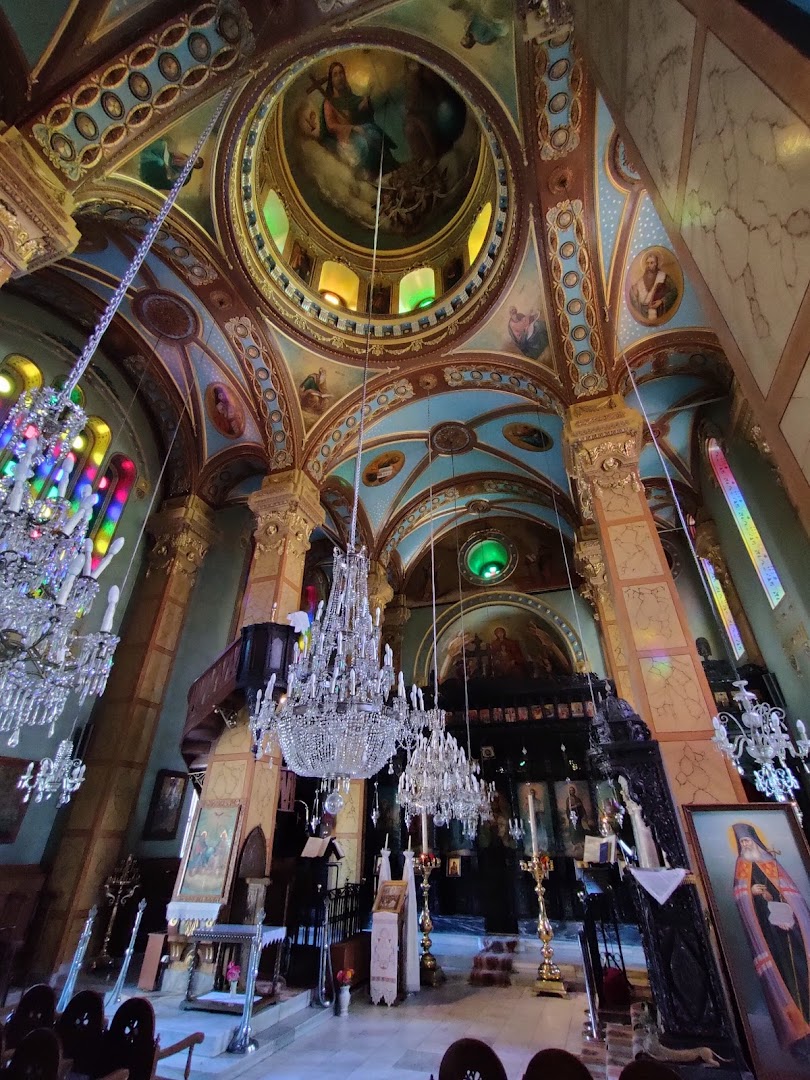
The Church of the Evangelismos Theotokou — the Annunciation of the Mother of God — stands as a quiet sanctuary near the coastal village of Vareia, just a short distance from the city of Mytilene. Dedicated to one of the most beloved feasts in the Orthodox Christian calendar, the church commemorates the angel Gabriel's announcement to the Virgin Mary that she would bear the Christ child. This dedication carries special resonance in Greece, where the Feast of the Annunciation on March 25th is celebrated simultaneously as a religious holiday and Greek Independence Day, giving the occasion a dual gravity that draws the faithful and the patriotic alike. The church's setting in Vareia — a village already steeped in cultural significance as the birthplace of the Nobel laureate poet Odysseas Elytis — adds a quietly poetic dimension to any visit. Architecturally, the church follows the whitewashed simplicity characteristic of Aegean Orthodox worship spaces, with a modest exterior that belies the warmth found within. Inside, visitors are typically greeted by a richly adorned iconostasis, the carved wooden screen that separates the nave from the sanctuary, hung with icons rendered in the Byzantine tradition. The icon of the Annunciation itself — the gilded archangel facing the serene, blue-robed Theotokos — is the visual and spiritual heart of the interior, and candles left by parishioners cast a gentle, flickering light across its surface throughout the day. For the community of Vareia, this church is far more than a historic monument; it is a living center of parish life where baptisms, name-day celebrations, and the rhythms of the liturgical year continue to unfold as they have for generations. Visitors who arrive around the March 25th feast will find the village animated by a spirit that blends devotion with celebration, with the smell of incense mingling with the salt air off the Aegean. Even outside of feast days, the church offers a moment of stillness and reflection that complements the broader pleasures of exploring this storied corner of Lesvos.
ΝΕΚΡΟΤΑΦΕΙΟ ΒΑΡΕΙΑΣ
Nekrotafeio Vareias
The Cemetery of Vareia, known locally as the Nekrotafeio Vareias, is a place of quiet contemplation on the outskirts of this small village just south of Mytilene, the island's capital. Like virtually all Greek Orthodox cemeteries, it is anchored by a small chapel that serves as the spiritual heart of the space, offering a place for liturgical rites, memorial services, and the ongoing observance of Orthodox traditions surrounding death and remembrance. The chapel's architecture follows the modest vernacular style common to rural Lesvos, with whitewashed walls and a compact sanctuary that focuses the attention inward toward the sacred. Families gather here to honour their departed on significant occasions in the Orthodox calendar, particularly on Saturdays of the Souls — the Psychosavvata — when the community comes together to offer kollyva and prayers for those who have passed. Beyond its liturgical role, the cemetery reflects the deep continuity of village life in Vareia. The grave markers and family plots tell the story of generations who fished the Aegean, tended the island's famous olive groves, and shaped the rhythms of this close-knit community. Vareia itself carries a notable cultural legacy, situated near the Theophilos Museum and the Teriade Museum, which celebrate two figures of international artistic significance connected to Lesvos. Visiting the cemetery chapel offers a more intimate counterpoint to these cultural landmarks — a reminder that the island's richness lies not only in its celebrated names but in the unbroken thread of ordinary life, faith, and memory that defines Greek island communities across the centuries.
ΠΑΝΑΓΙΑ ΧΡΥΣΟΜΑΛΛΟΥΣΑΣ
Panagia Chrysomallousas
Tucked into the landscape near the coastal village of Vareia, just a short distance south of Mytilene, the church of Panagia Chrysomallousas is dedicated to the Virgin Mary under the evocative local epithet meaning "golden-haired." Such distinctive epithets are a hallmark of Greek Orthodox devotion, where individual communities across the Aegean have long cultivated their own intimate, named relationships with the Theotokos, reflecting centuries of personal and collective faith. The church follows the modest whitewashed style typical of Lesvos ecclesiastical architecture, where simplicity of exterior gives way to the warmth and iconographic richness of the interior, with oil lamps casting a gentle glow over devotional icons that generations of local families have venerated. Vareia itself carries cultural weight as the birthplace of the beloved naive painter Theophilos Hatzimichail, and the wider area around Mytilene has been continuously inhabited since antiquity, lending even small neighborhood chapels like this one a sense of deep, layered presence in the landscape. Panagia Chrysomallousas serves as a focal point for the spiritual life of the local community, particularly around its feast day, when residents gather for liturgy, candlelight, and the quiet fellowship that defines Greek Orthodox parish life. Visitors who seek out the church will find it a place of genuine stillness, a counterpoint to the bustle of nearby Mytilene. For travelers exploring the southern reaches of Lesvos, stopping at Panagia Chrysomallousas offers something beyond sightseeing. It is an invitation to witness the living religious fabric of island life, where faith is not a relic of the past but an active, breathing part of the community's identity. The church exemplifies how Lesvos, even in its most unassuming corners, holds centuries of devotion quietly in its stones.
Προφήτης Ηλίας
Profitis Ilias
Perched near the village of Vareia on the outskirts of Mytilene, the chapel of Profitis Ilias is dedicated to the Prophet Elijah, one of the most venerated figures in the Greek Orthodox tradition. Like so many churches bearing this dedication across Greece, it occupies an elevated position in the landscape, a siting that is no accident: Elijah is intimately associated with mountaintops, fire, and the divine presence, and his chapels have historically been built on high or prominent ground, often on sites once sacred to the ancient sun god Helios. This continuity between ancient and Christian devotion gives such chapels a layered spiritual resonance that extends far beyond their modest size. The church follows the simple, whitewashed vernacular style typical of small Orthodox chapels throughout the eastern Aegean, its clean lines and unassuming form a reflection of the contemplative character of rural Greek religious life. Inside, visitors will find the intimate atmosphere common to these neighbourhood chapels, with an iconostasis separating the nave from the sanctuary and oil lamps casting a warm glow over the icons. The dedication to Profitis Ilias means the chapel comes alive each year on July 20th, the feast day of the Prophet, when the local community gathers for the liturgy and the panigiri, the festive celebration of food, music, and fellowship that follows. These summer feast days are among the most authentic expressions of communal life on Lesvos, offering visitors a rare glimpse into the living religious culture of the island. For those exploring the area around Vareia, long known as the birthplace of the Nobel laureate poet Odysseas Elytis, a visit to this chapel offers a moment of stillness and reflection. The surrounding landscape of olive groves and the nearness of the Gulf of Gera provide a quietly beautiful setting that embodies the spiritual and pastoral character of Lesvos at its most genuine.
ΤΡΕΙΣ ΙΕΡΑΡΧΕΣ
Treis Ierarches
The church of Treis Ierarches, set in the quiet coastal village of Vareia just south of Mytilene, is dedicated to the Three Hierarchs — Basil the Great, Gregory the Theologian, and John Chrysostom — three towering figures of early Christianity whose combined legacy shaped Orthodox theology, liturgy, and education. Venerated together since the eleventh century after a dispute over their relative merits was resolved by recognizing their equal greatness, the Three Hierarchs hold a particularly cherished place in Greek culture as the patron saints of education and letters. Their shared feast day on January 30th is celebrated throughout Greece as a day honoring learning and scholarship, and village churches bearing their name often serve as the spiritual heart of their communities on that date, with liturgies drawing together families from across the surrounding area. The church reflects the modest, sturdy tradition of rural Orthodox ecclesiastical architecture common to the eastern Aegean, with whitewashed walls, a terracotta-tiled roof, and an interior that rewards quiet contemplation. Visitors stepping inside will typically encounter the warm glow of oil lamps illuminating an iconostasis adorned with icons of the three holy hierarchs rendered in the Byzantine tradition, their golden haloes and formal vestments conveying both authority and serenity. The surrounding village of Vareia, known also as the birthplace of the Nobel Prize-winning poet Odysseas Elytis, carries a layered cultural atmosphere that makes a visit to the church feel like part of a broader encounter with the intellectual and spiritual heritage of Lesvos. Whether one comes on the feast day or simply pauses during a walk through the village, Treis Ierarches offers a genuinely local window into the living Orthodox faith that has shaped life on this island for centuries.
Ζωοδόχου Πηγής
Zoodochou Pigis
The Church of Zoodochou Pigis, meaning the Life-Giving Spring, stands in the gentle landscape near Vareia, a village just a short distance from the island's capital, Mytilene. The dedication honors one of the most cherished epithets of the Virgin Mary in Greek Orthodox tradition, rooted in an ancient spring sanctuary at Constantinople that was long venerated for its miraculous healing waters. Churches bearing this name are among the most deeply loved in the Orthodox world, and this example near Vareia upholds that devotion for the surrounding community, serving as a living center of faith and local identity in a part of Lesvos rich with cultural memory — Vareia itself is celebrated as the birthplace of Nobel laureate poet Odysseas Elytis and home to the folk art legacy of the painter Theophilos. The feast of Zoodochou Pigis is celebrated on the Friday following Easter Sunday, a day known in the Orthodox calendar as Bright Friday, and it draws worshippers from the surrounding villages for liturgy, communal prayer, and the quiet joy that marks the Paschal season. The interior of such churches traditionally shelters an icon of the Virgin depicted at a flowing spring, symbolizing the inexhaustible grace she offers to the faithful. Visitors who attend on feast days will encounter the full warmth of Greek Orthodox devotional life — the scent of incense, the glow of oil lamps, and the unhurried reverence of a community gathered in centuries-old ritual. For travelers exploring the Mytilene area, a visit to this church offers something beyond sightseeing. Set within the quiet rhythms of village life near the coast, it invites a moment of stillness and reflection. The surrounding countryside, with its olive groves and views toward the Aegean, lends the site a contemplative beauty that resonates long after departure. Whether approached as a spiritual destination or simply as a window into the living traditions of Lesvos, Zoodochou Pigis rewards the curious visitor with authenticity and grace.
Gallery & Videos
Captured a memorable moment in Vareia?
Make a day of it
Places worth combining with your visit
Nearby
Beaches
Pligoni Beach
1.5 km away
Fikiotripa
3.6 km away
Agia Paraskevi Beach
4.5 km away
Agrilia Kratigou Beach
5.1 km away