About
Perched on a rocky hilltop in the verdant interior of northern Lesvos, the Kastreli of Stypsi is a ruined medieval fortification that speaks to the island's long history of successive rulers and the strategic importance of controlling its fertile hinterland. Like many of Lesvos's smaller castles, it belongs to a landscape shaped by Byzantine administrative needs and later by the Genoese Gattilusio dynasty, which held the island from the mid-fourteenth century until the Ottoman conquest of 1462. These lords dotted the island with fortified positions to protect villages, monitor movement across the interior, and assert authority over the land below — and the Kastreli of Stypsi was one such sentinel, guarding the agricultural heartland around the village of Stypsi and the surrounding hillside settlements.
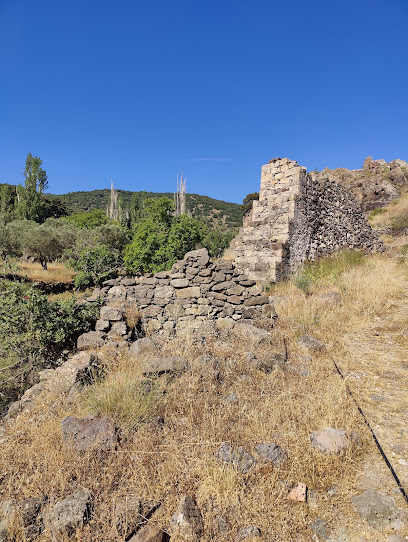
What remains today are the weathered stone walls and foundation courses of a compact fortification, reclaimed in large part by the scrub and wildflowers of the Lesvos countryside. The masonry reflects the pragmatic building style common to medieval Aegean fortifications: locally quarried stone fitted without great ornament, designed for function over display. Visitors who make the ascent are rewarded not only by the atmospheric ruins but by sweeping views across olive groves and pine-covered ridges toward the Gulf of Kalloni, offering an immediate sense of why this promontory was chosen in the first place.
The Kastreli sits close to the village of Lafionas and within easy reach of Stypsi, making it a rewarding detour for those exploring the quieter roads of Lesvos's northern interior. This is a place for unhurried visitors — walkers, history enthusiasts, and anyone drawn to the texture of a landscape where medieval stone and living countryside have grown inseparable over centuries. There are no crowds here, no barriers or interpretive signs, just the wind, the view, and a tangible connection to the island's layered past.
Before you go
What to expect
The climb to this rocky hilltop rewards with atmospheric ruins half-reclaimed by wildflowers and scrub, and broad views sweeping across olive groves and pine-covered ridges toward the Gulf of Kalloni. There are no barriers or interpretive signs — just wind, weathered stone, and the quiet presence of a fortification that once watched over the fertile valleys below. Walkers and history enthusiasts will find the unhurried, unmediated atmosphere particularly satisfying.
Best time to visit
Late spring and early autumn are ideal — the landscape is green and the heat manageable; summer midday sun can make the exposed hilltop uncomfortable.
How to get there
From Mytilene, head north toward Kalloni and continue into the northern interior toward the villages of Stypsi and Lafionas — the drive takes roughly an hour to an hour and a quarter. The kastreli sits on the hilltop close to Lafionas, with the final approach on foot from the village.
Details
Categories
Make a day of it
Places worth combining with your visit