


Λαφιώνας
Lafionas
Population
154
Elevation
222m
Municipality
Petra
Postal Code
811 09
From Mytilene
38.7 km
Nearest Beach
Anaxos Skoutarou Beach 1
Overview
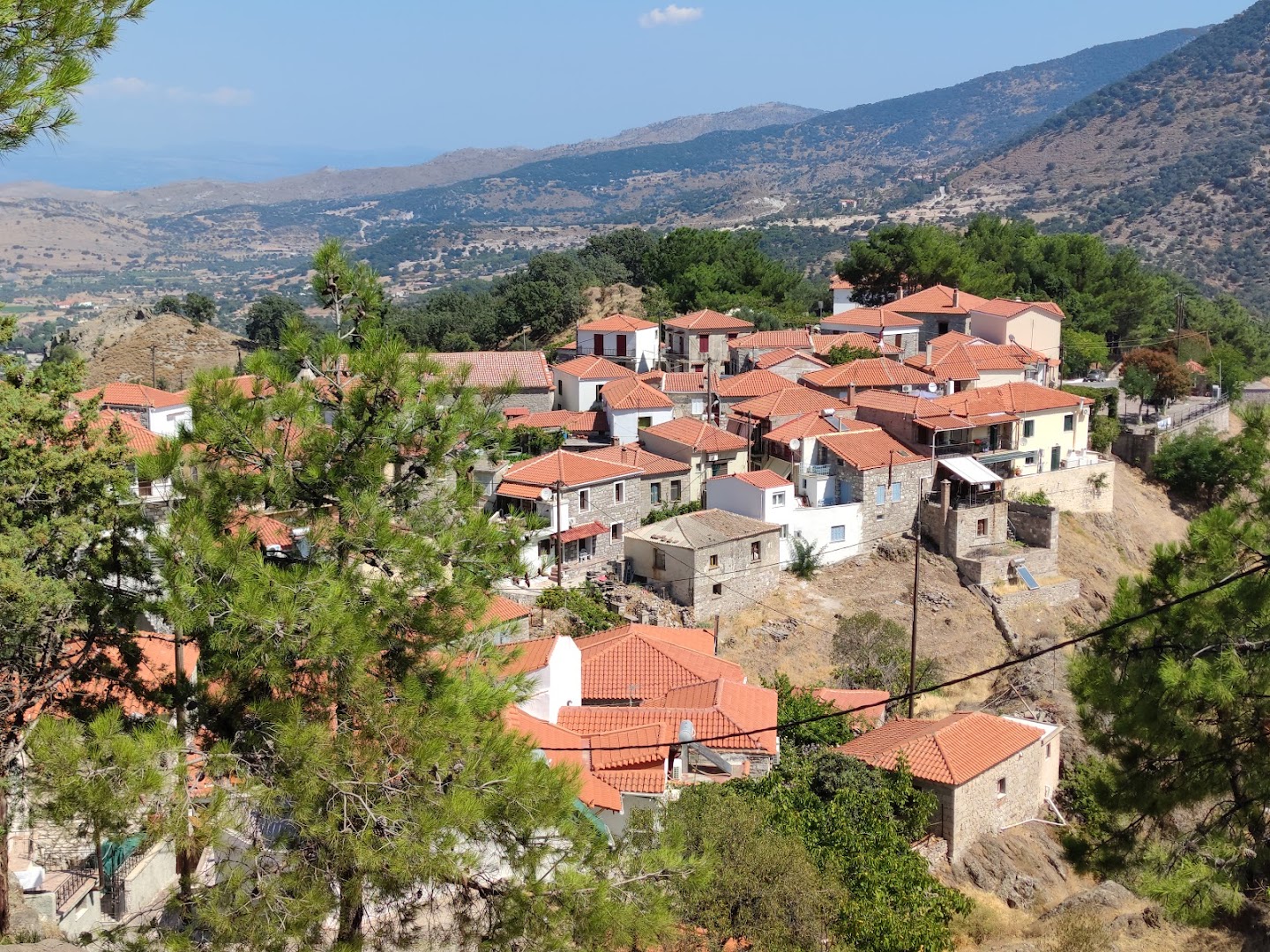
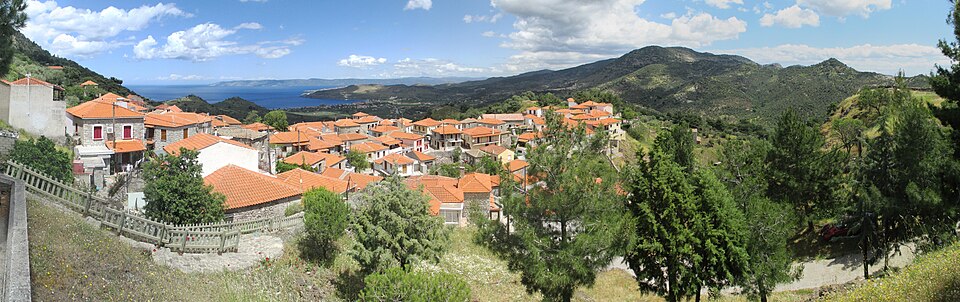
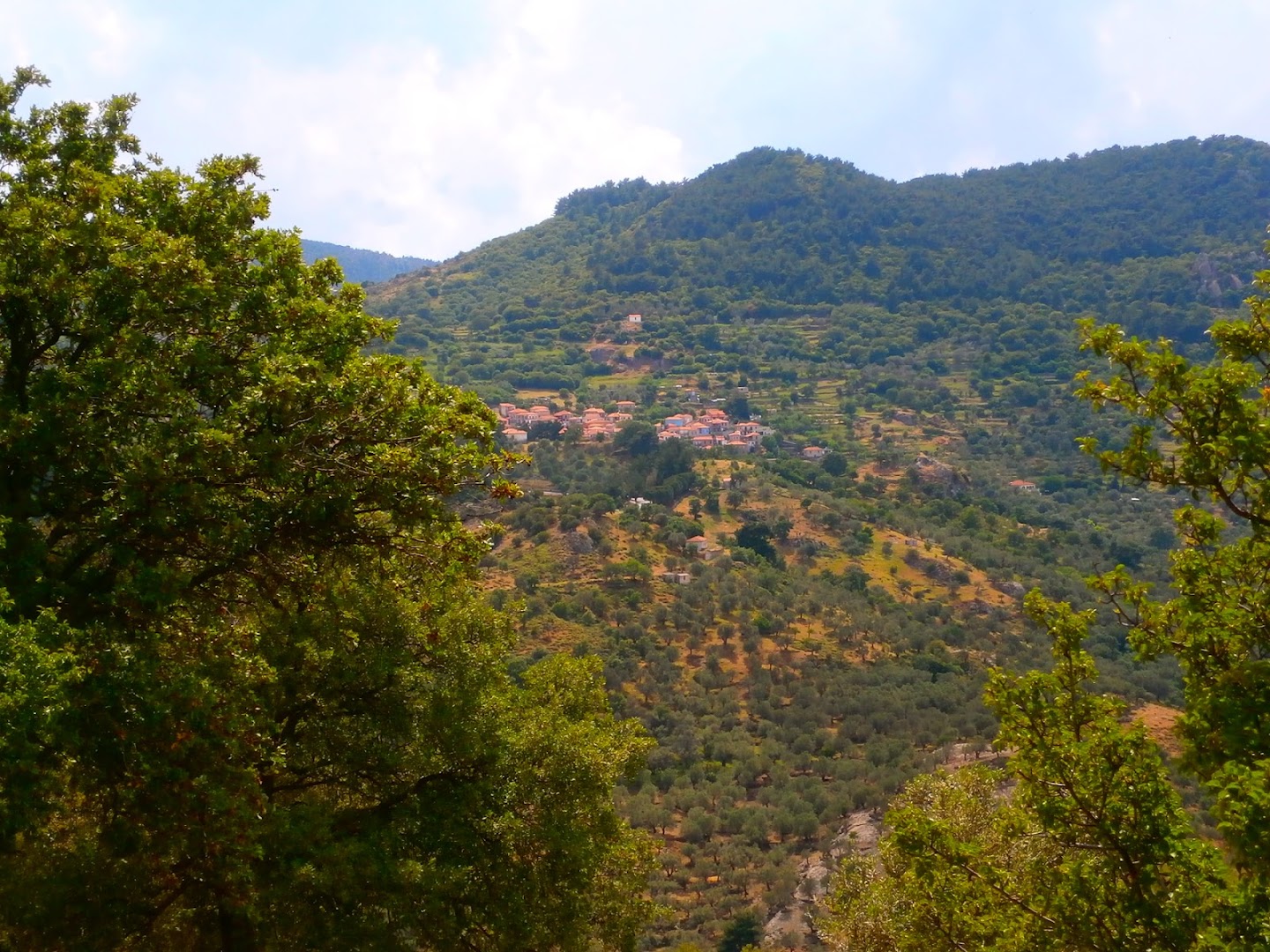
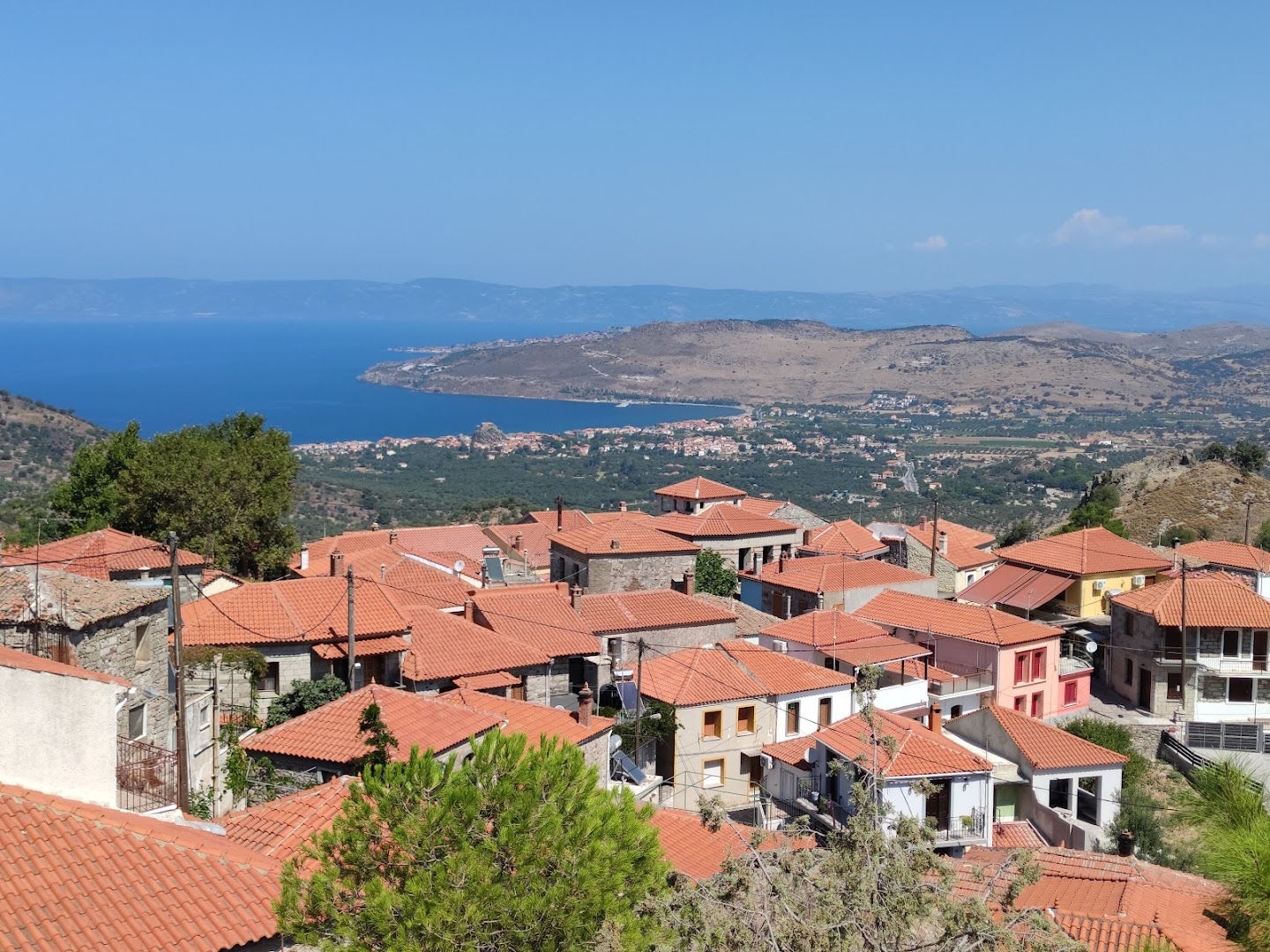
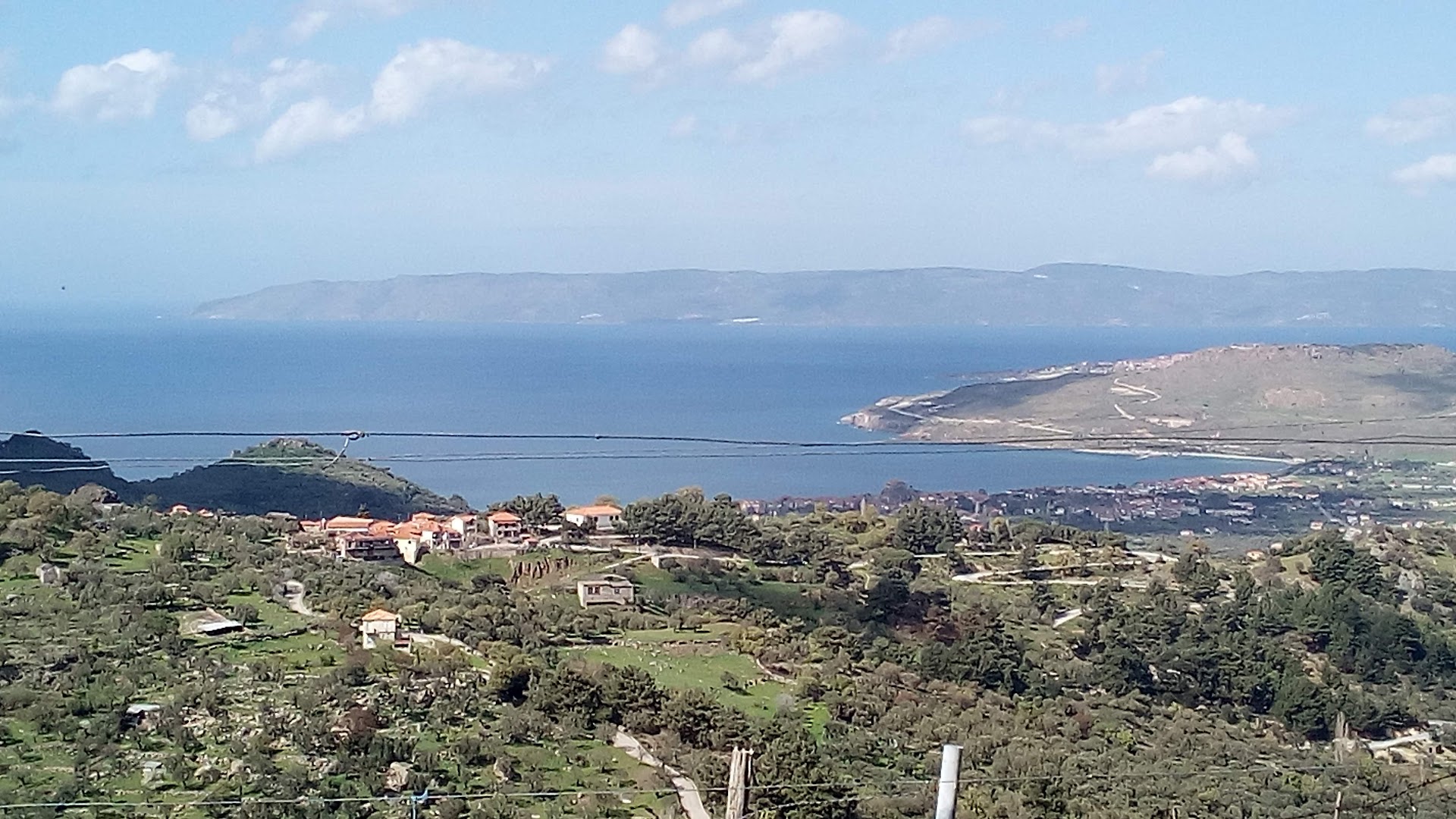
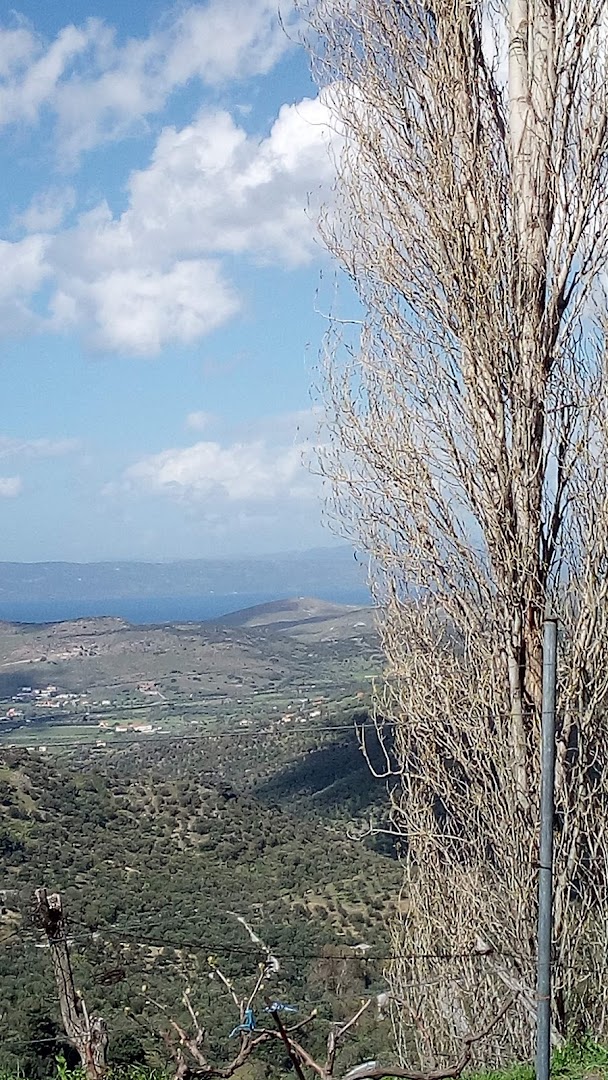
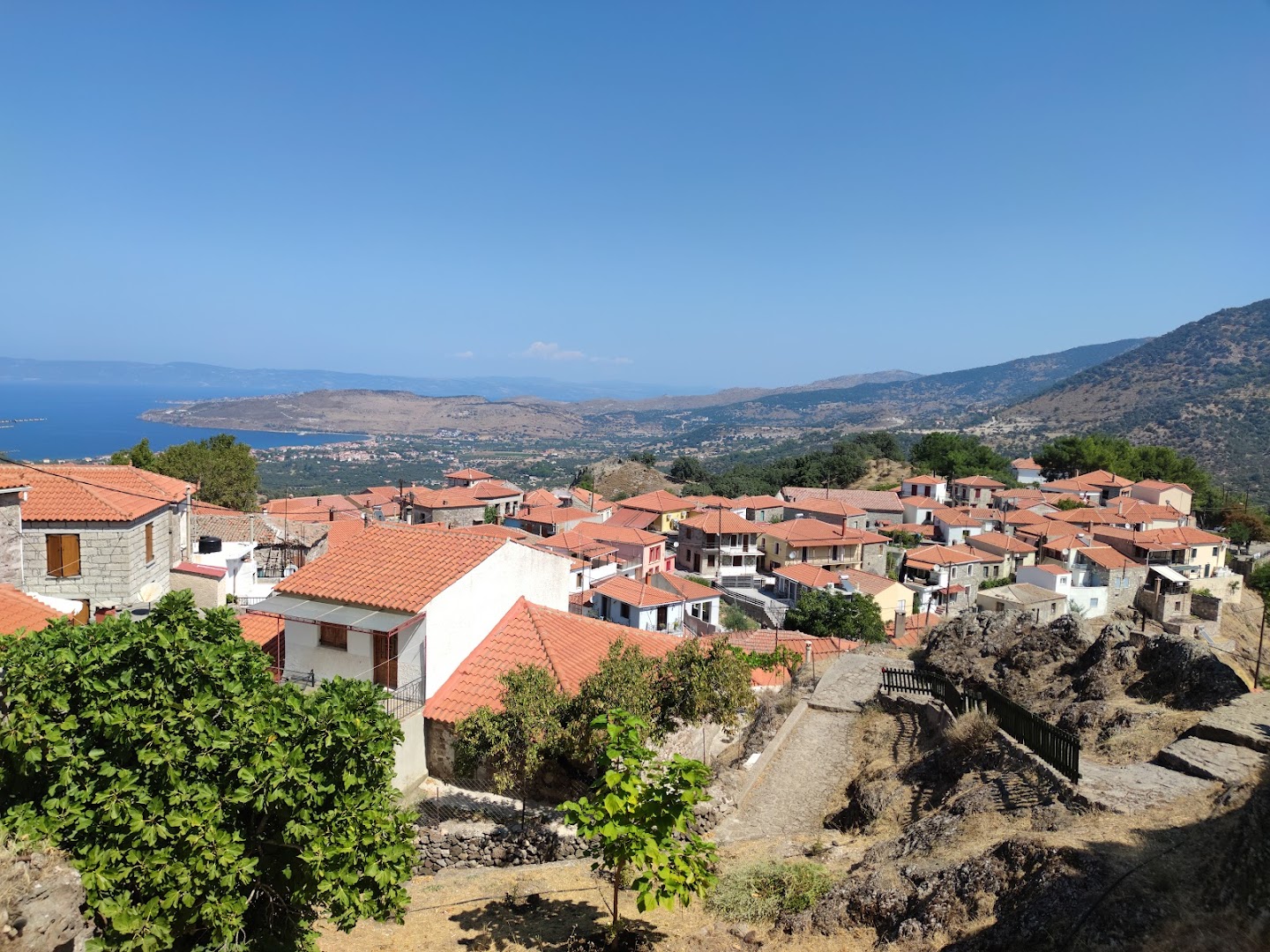
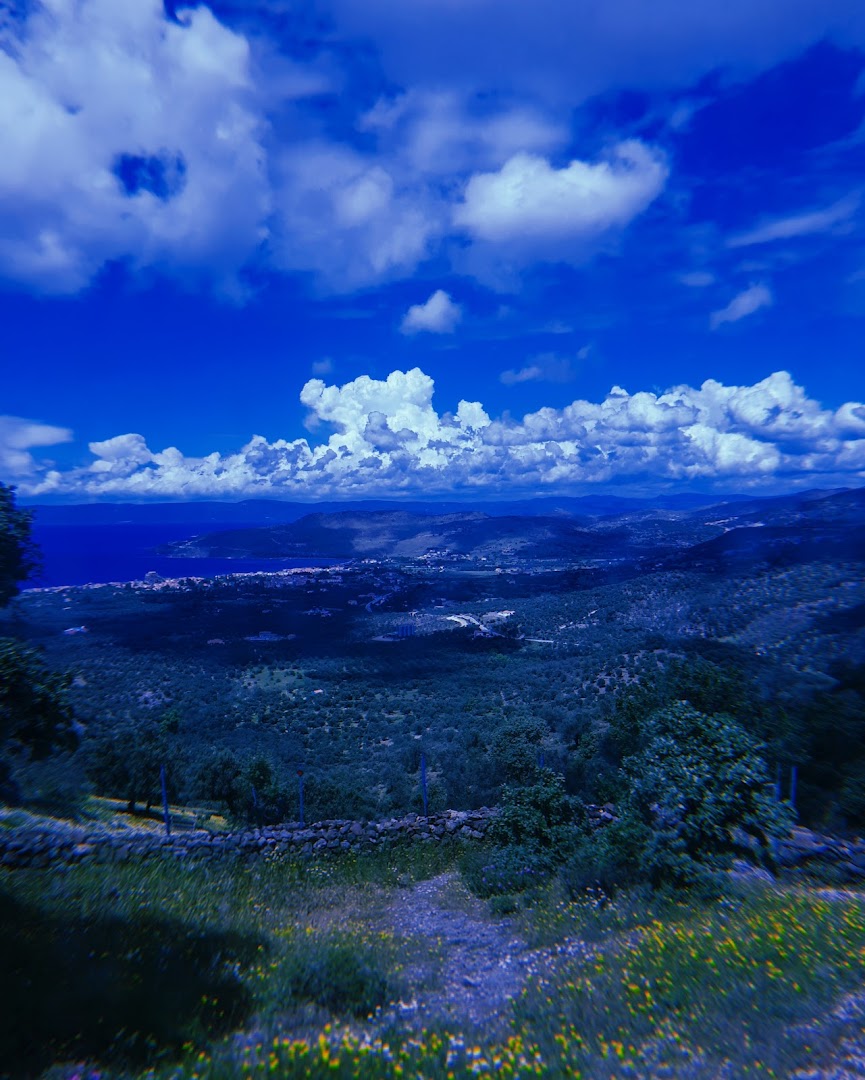
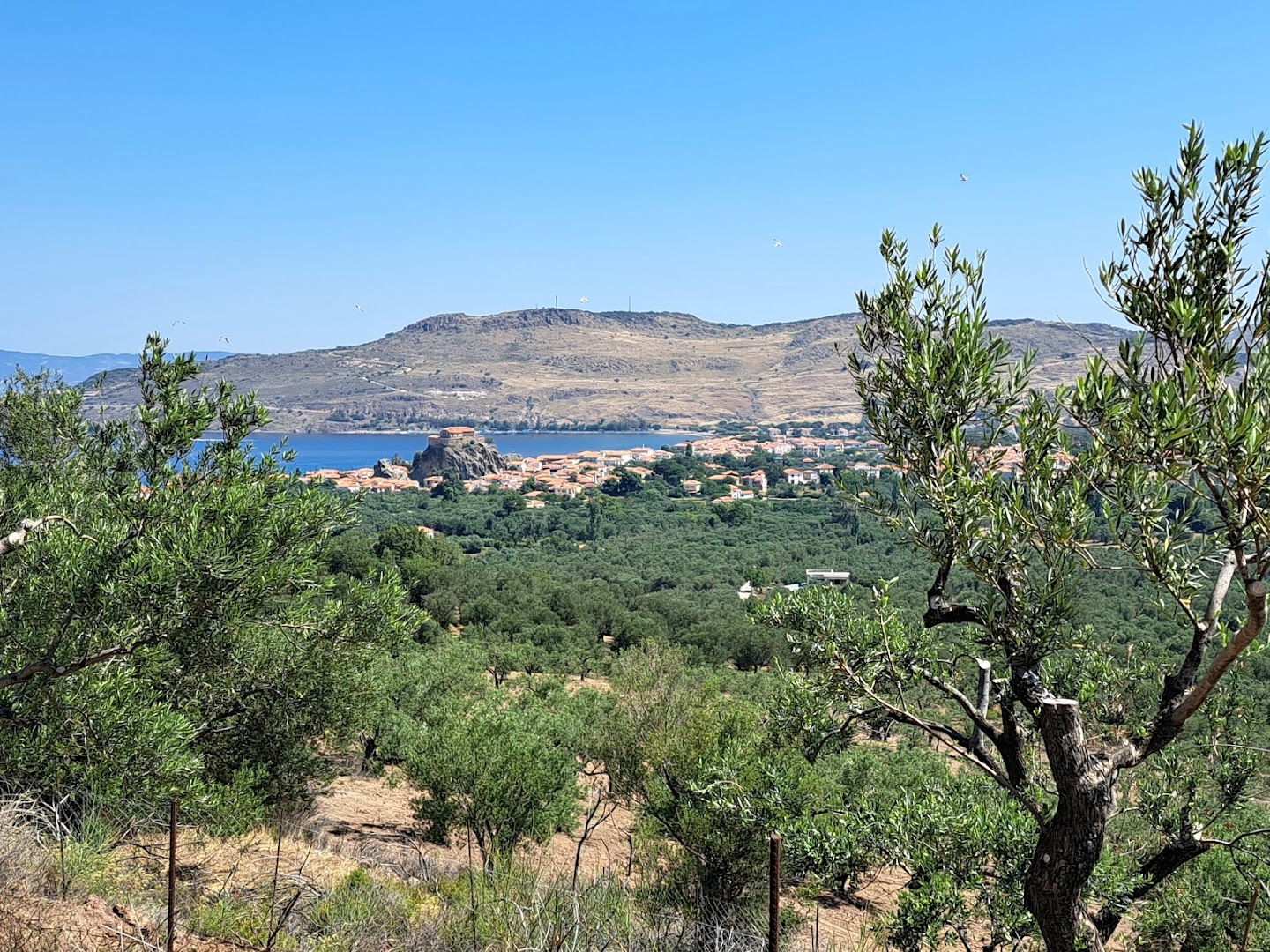
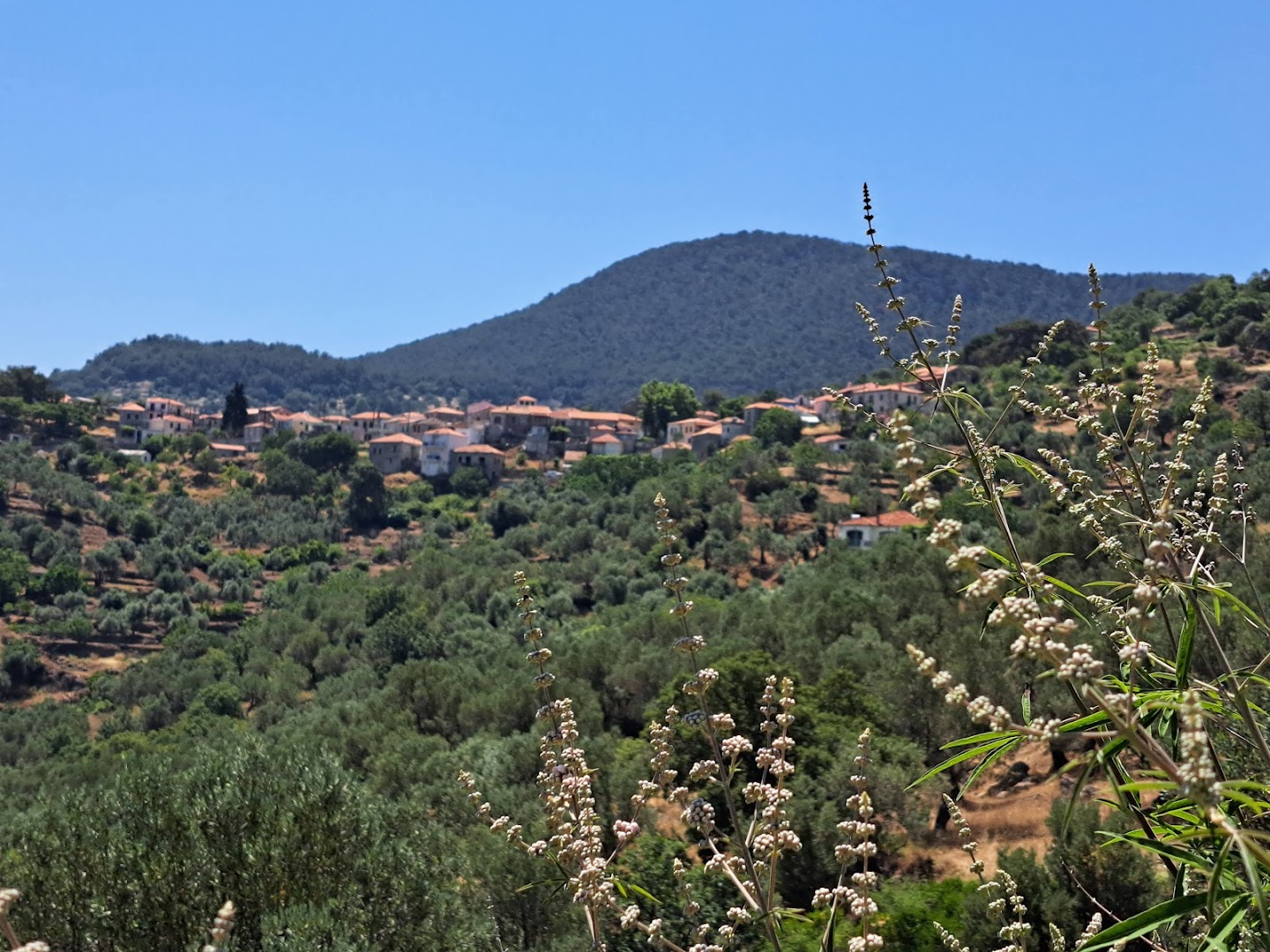
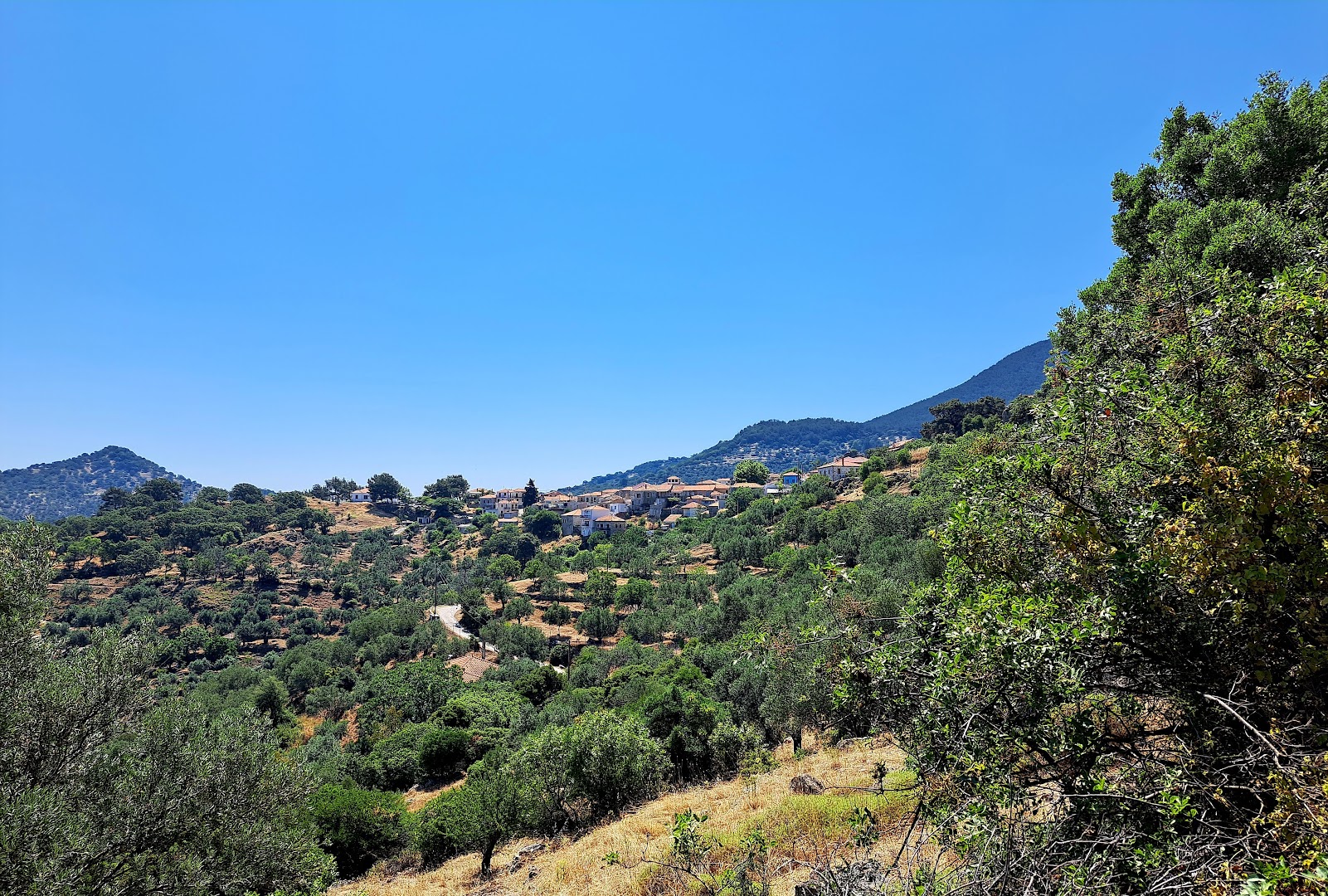
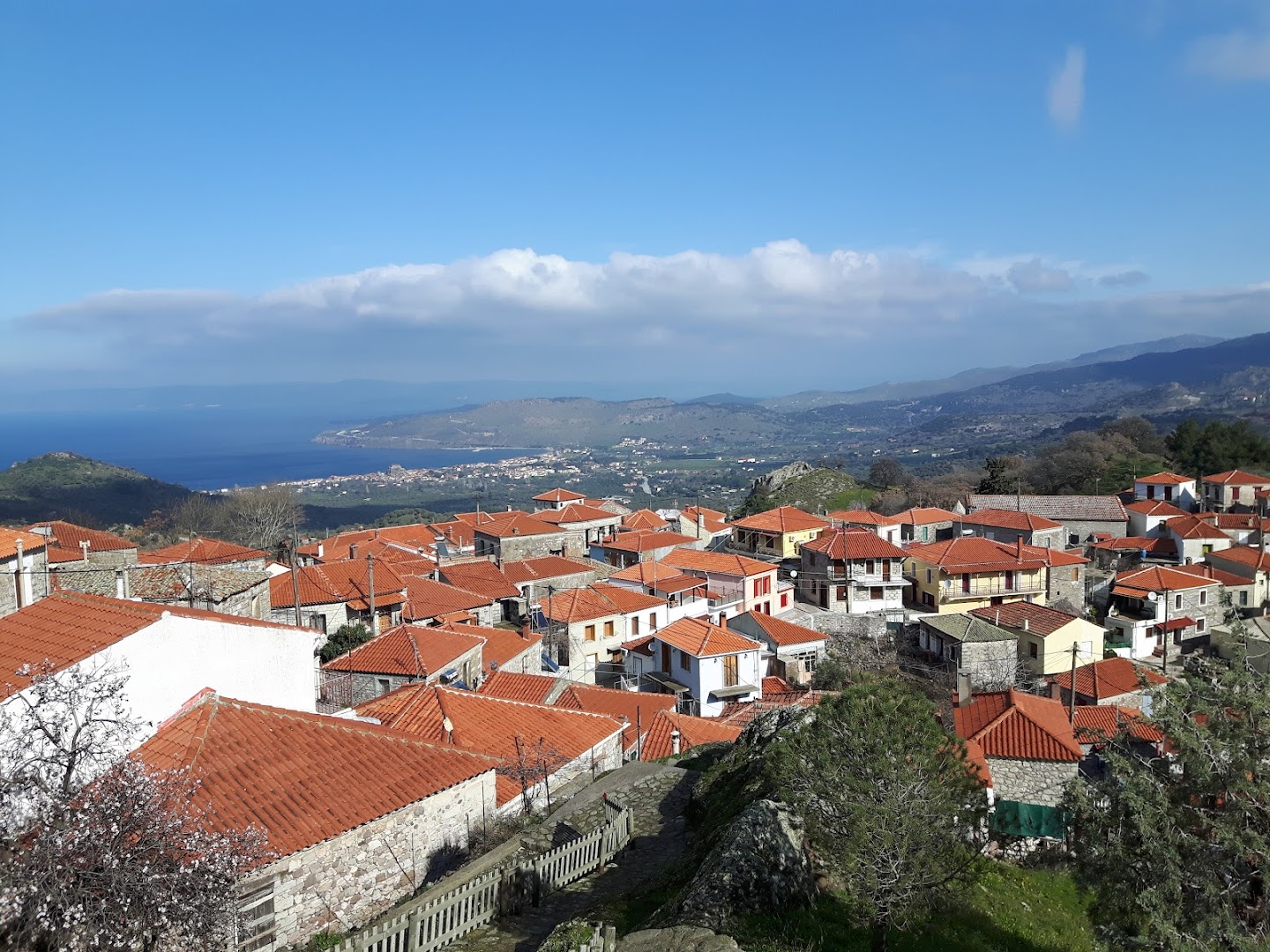
Perched at 222 metres above sea level in the rugged northwestern reaches of Lesvos, Lafionas is a quiet hillside village of around 150 souls whose stone-built houses survey a landscape that feels ancient in the truest sense. This corner of the island sits within the broader territory of the Lesvos Petrified Forest UNESCO Global Geopark, a designation that speaks to the extraordinary geological heritage of the surrounding terrain. Volcanic activity millions of years ago preserved entire forests in silicified stone, and the hills and ravines around Lafionas carry that same sense of deep time in their contours and colours — ochres, greys, and dusty greens that shift dramatically with the light.
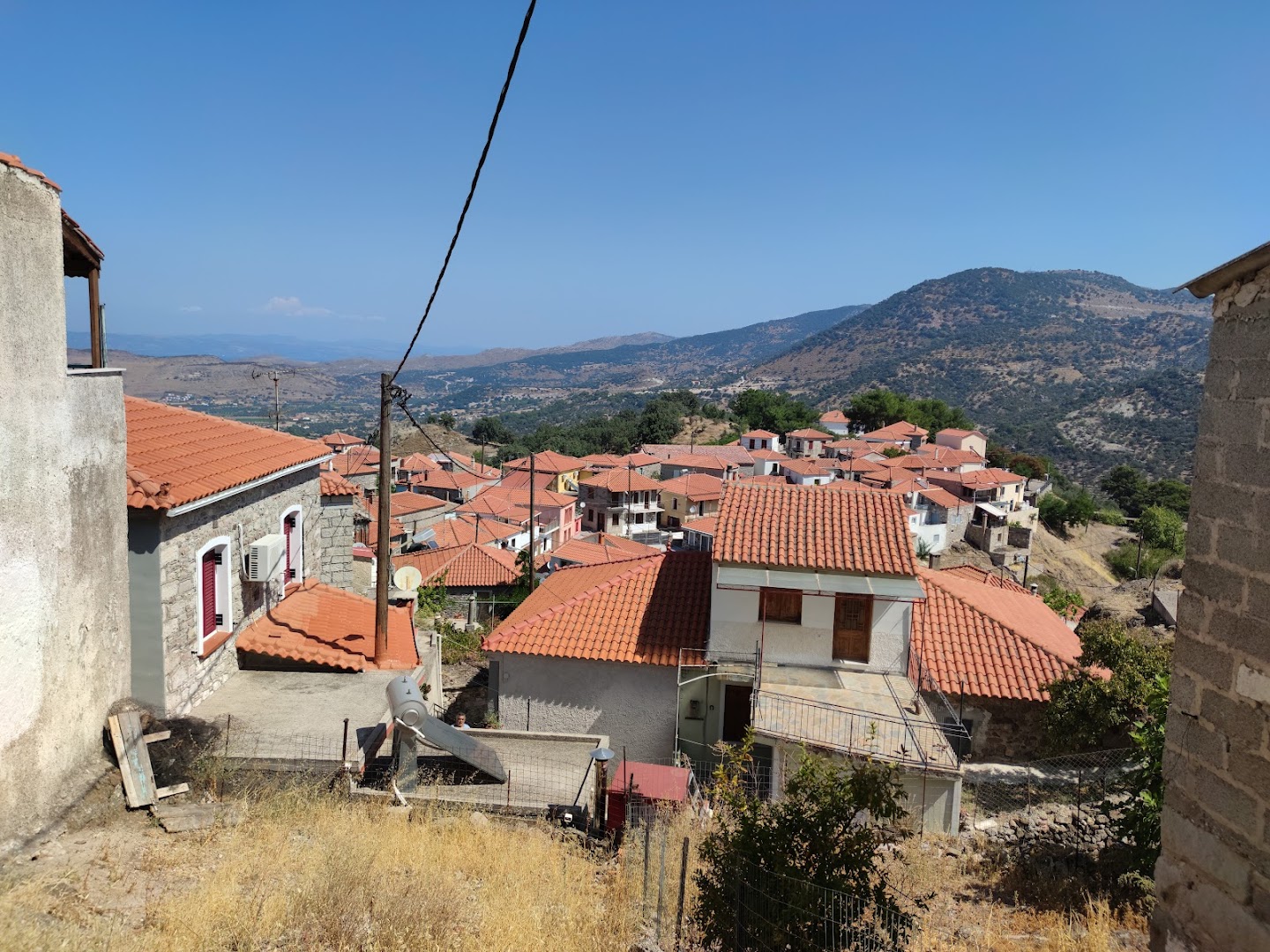
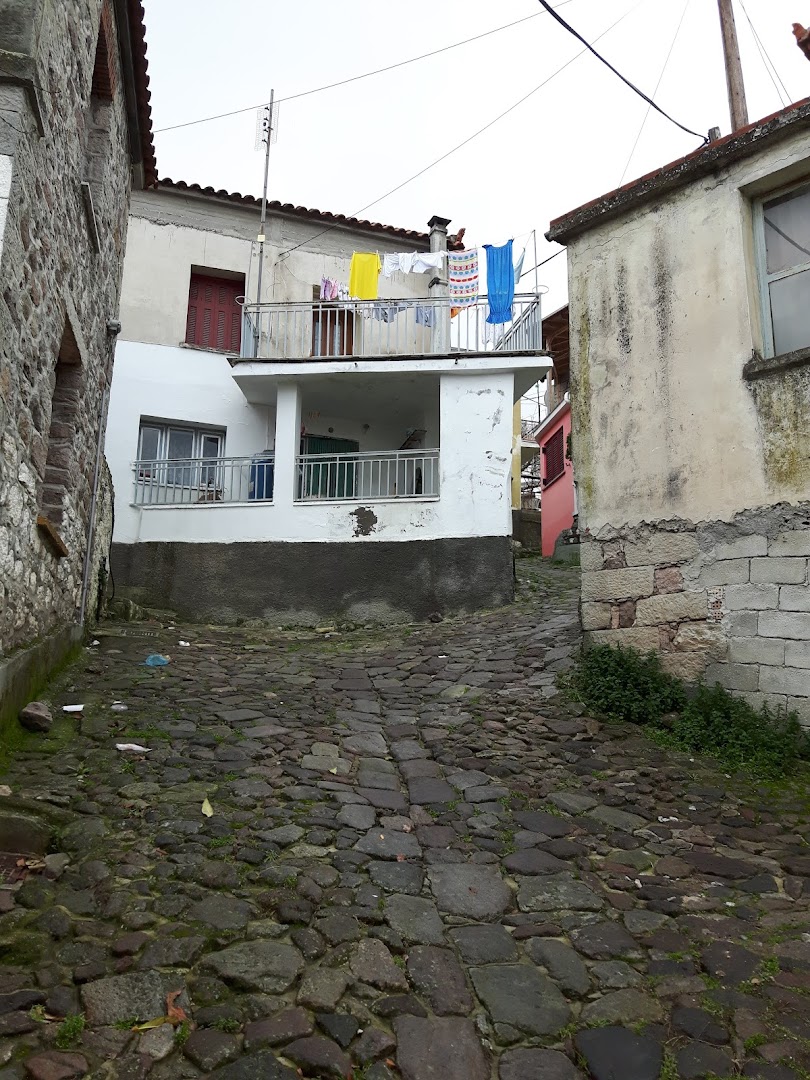
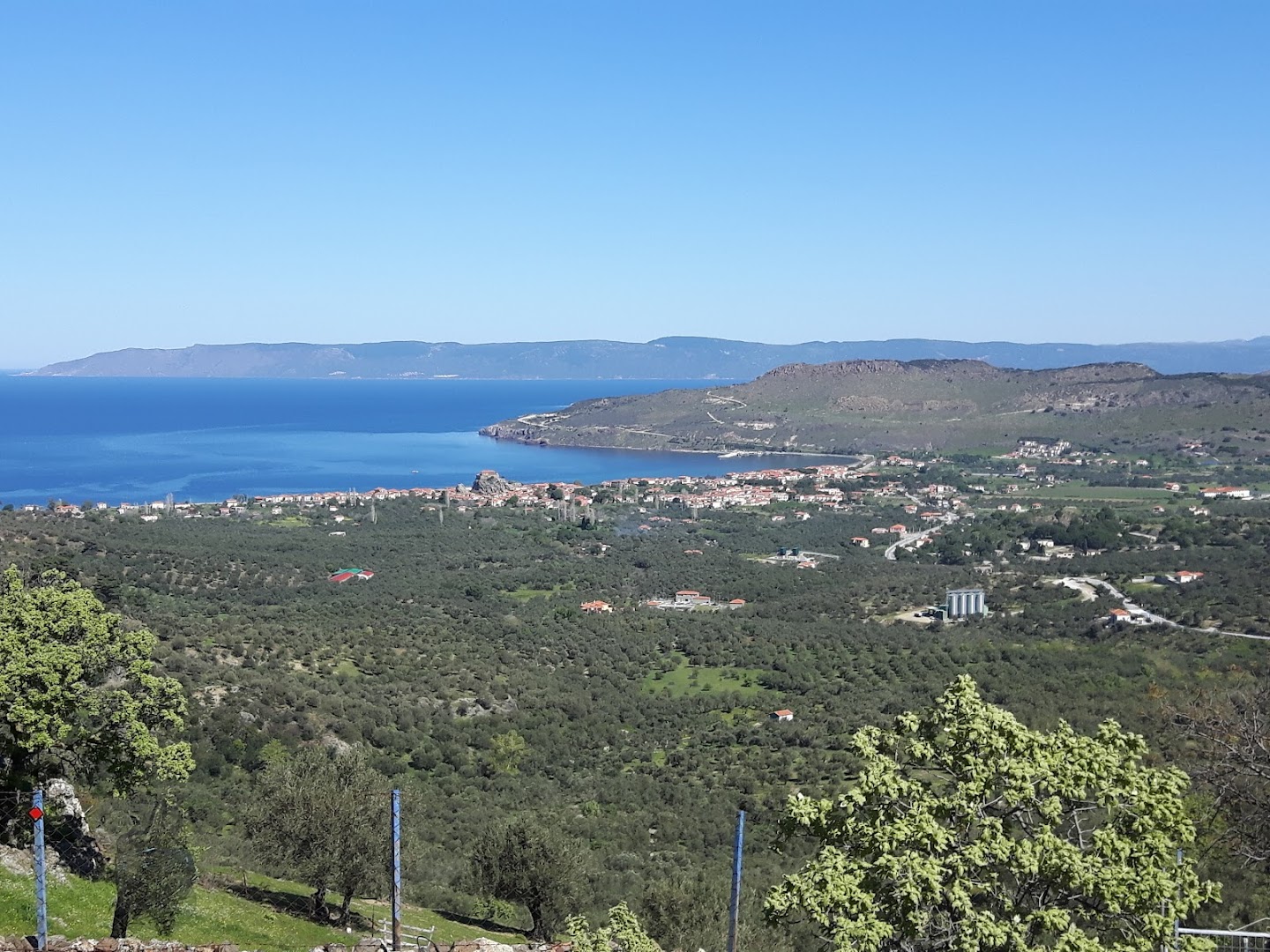
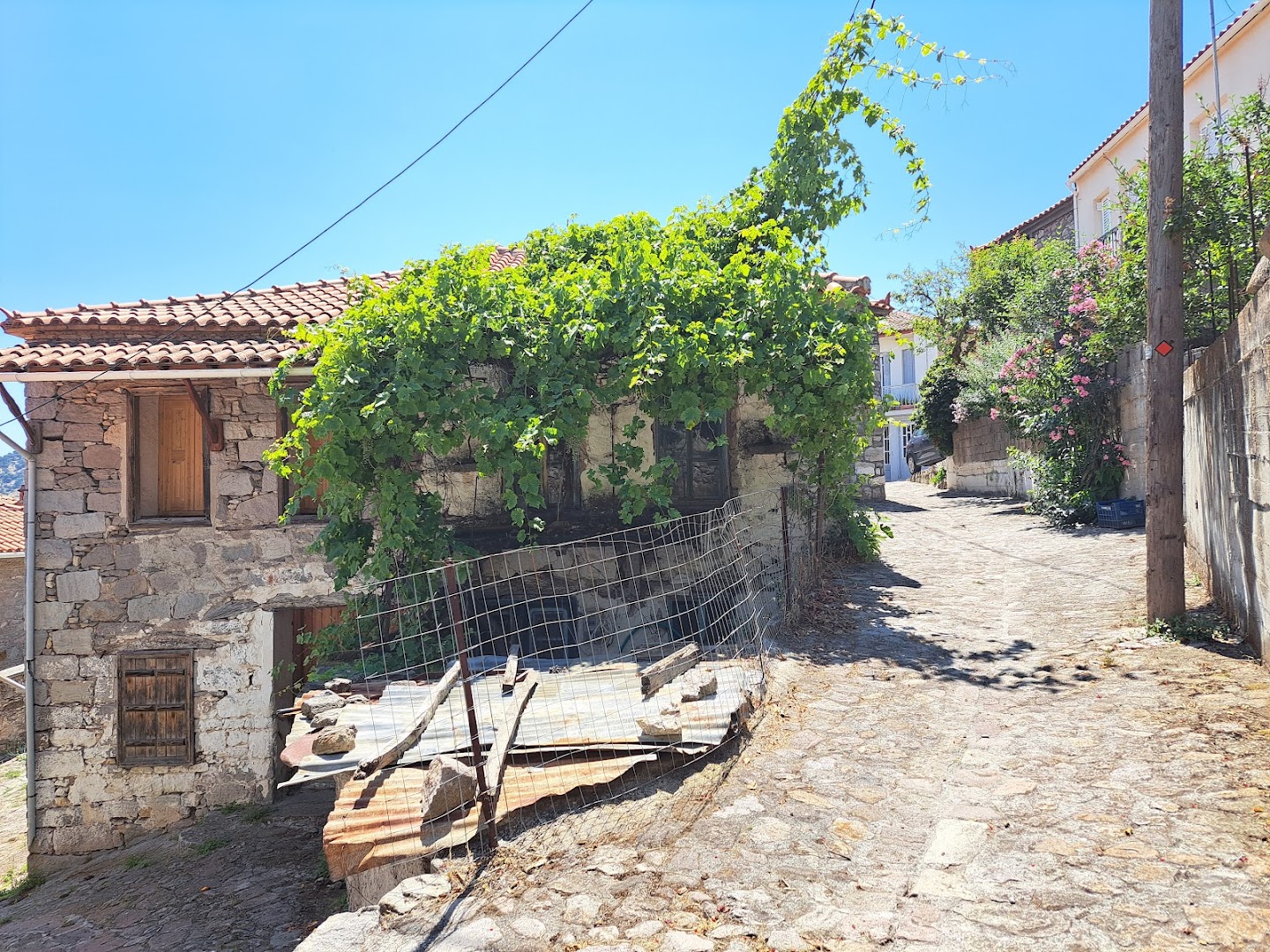
The village economy, like so much of rural Lesvos, has long revolved around the olive. The northwestern part of the island is blanketed in olive groves, many of them centuries old, and the rhythms of cultivation and harvest still shape village life. Lafionas retains the unhurried character typical of small Aegean communities: a central square, a church whose bells mark the hours, and kafeneions where conversation moves slowly and coffee is taken seriously. The local architecture reflects the island's vernacular tradition, with substantial stone walls built to withstand both winter winds and summer heat.
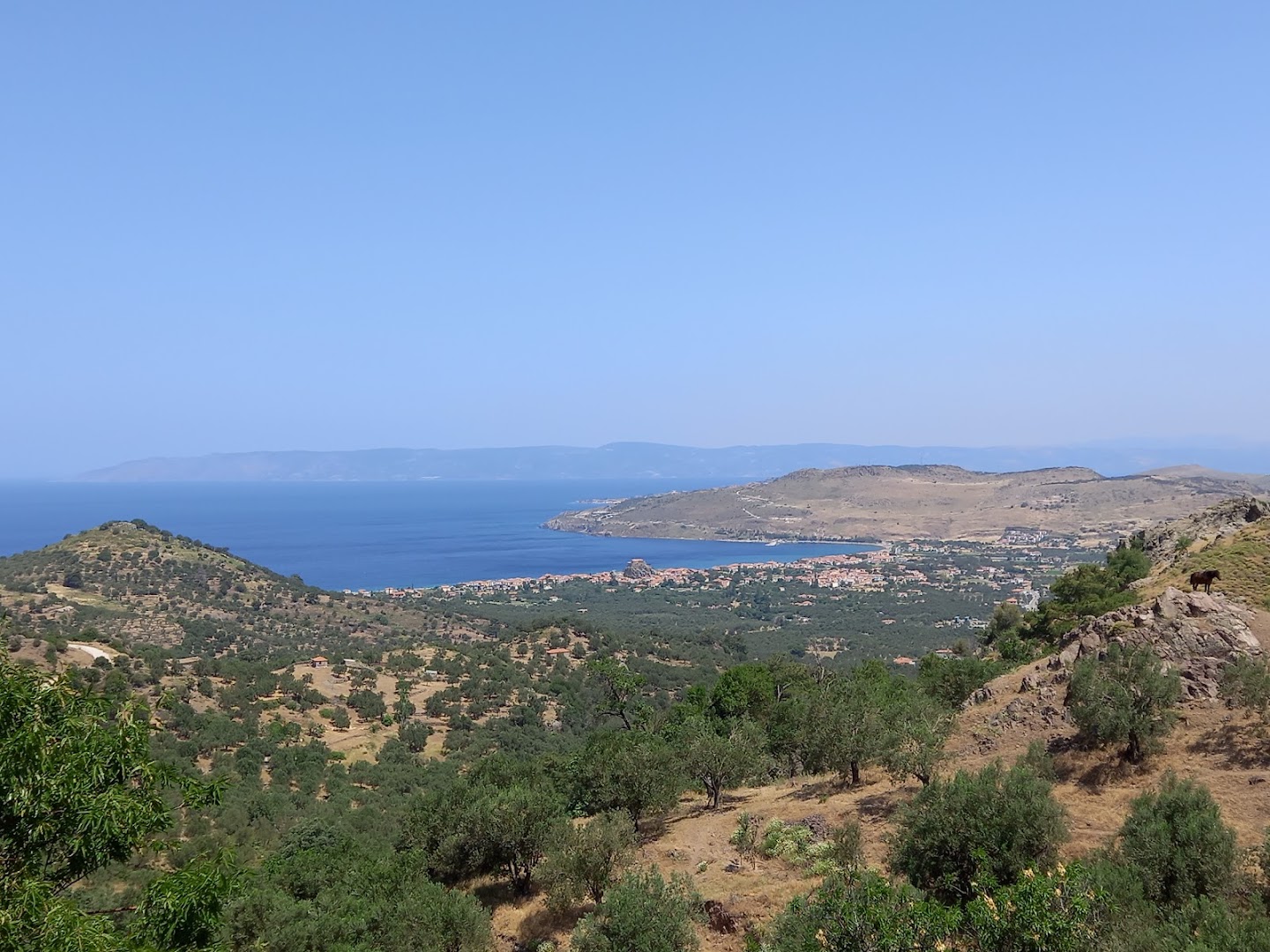
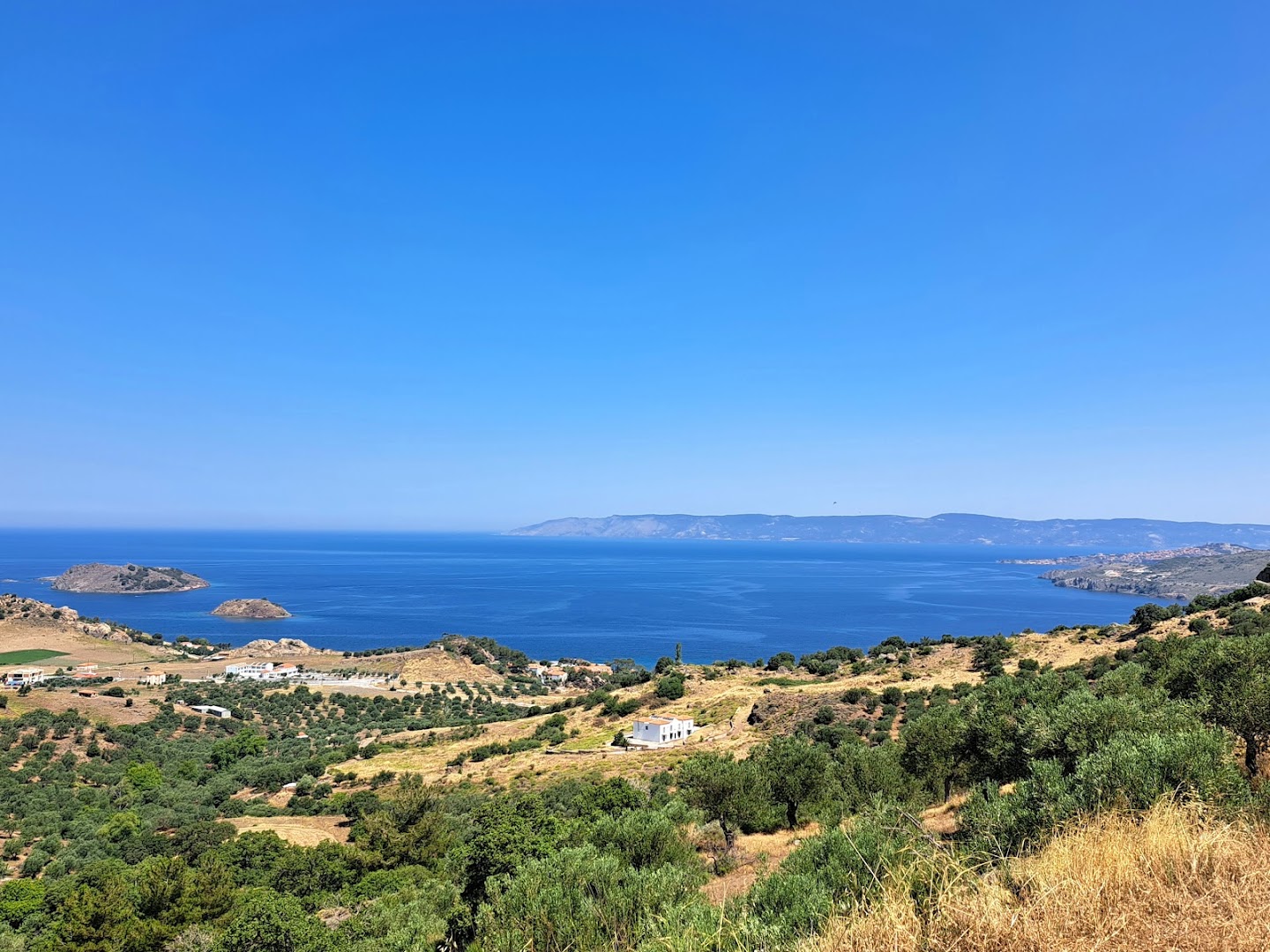
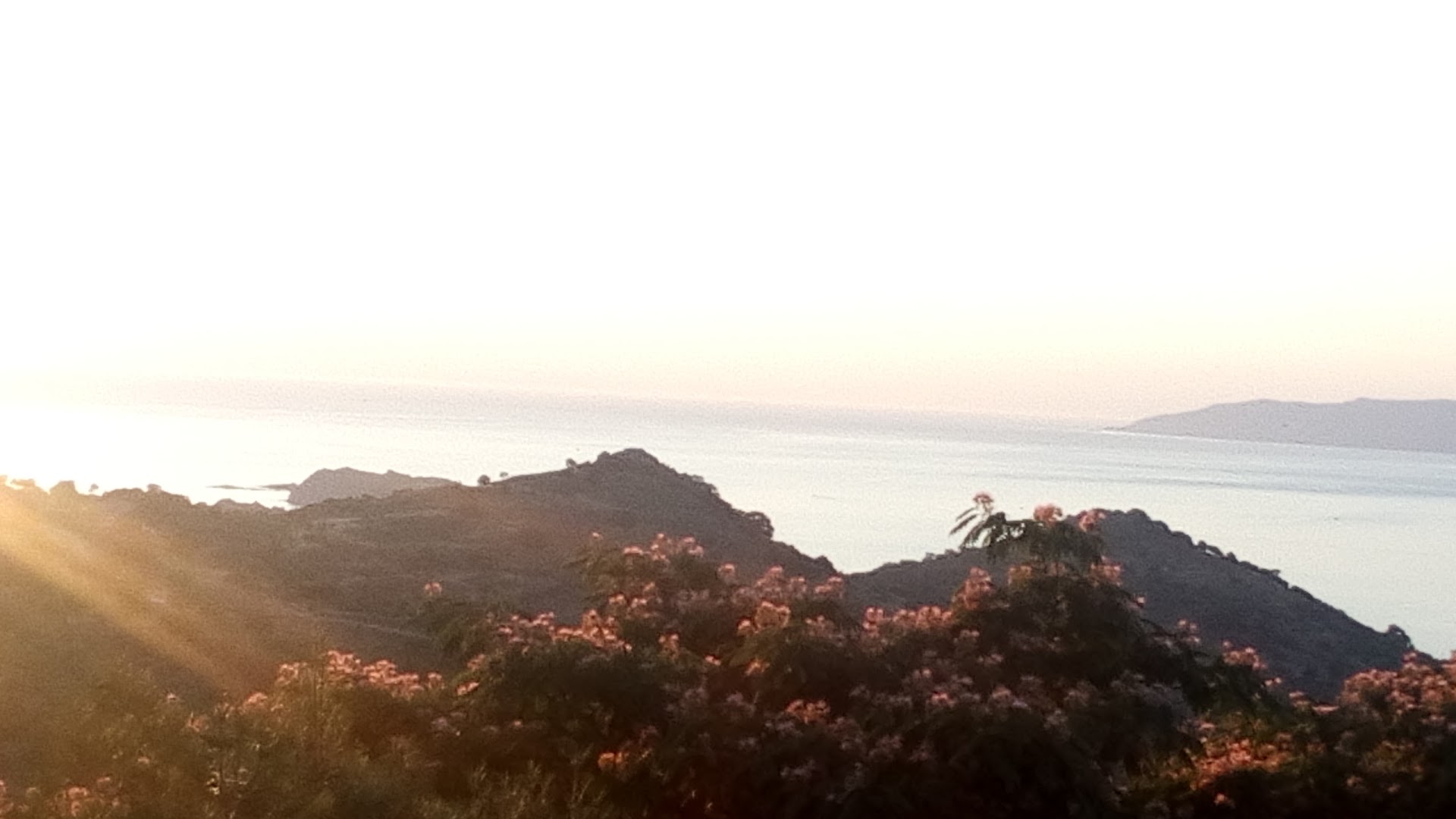
For visitors, Lafionas offers something increasingly rare — a genuinely lived-in village that has not been reshaped for tourism. The surrounding countryside rewards walkers and those curious about the geopark's fossil sites, while the elevated position provides sweeping views toward the western coastline and, on clear days, the shimmer of the Aegean beyond. The nearby settlements of Antissa and Sigri are within easy reach, as is the dramatic cape at the island's western tip, making Lafionas a peaceful base for exploring one of Lesvos's most distinctive and least-visited regions.
Before you go
What to expect
Stone lanes connect a handful of kafeneions and a church whose bells still mark the hours — Lafionas is a genuinely lived-in village, not one shaped for visitors. The surrounding hills carry the colours of their volcanic past: ochre, ash-grey, and a dusty olive-green that shifts dramatically as the afternoon light moves across them. Walkers with an eye for geology or landscape will find the countryside around the village as rewarding as the village itself.
Best time to visit
Late May through June and September into October give the best walking weather; summer is warm at this elevation but noticeably cooler than the coast.
How to get there
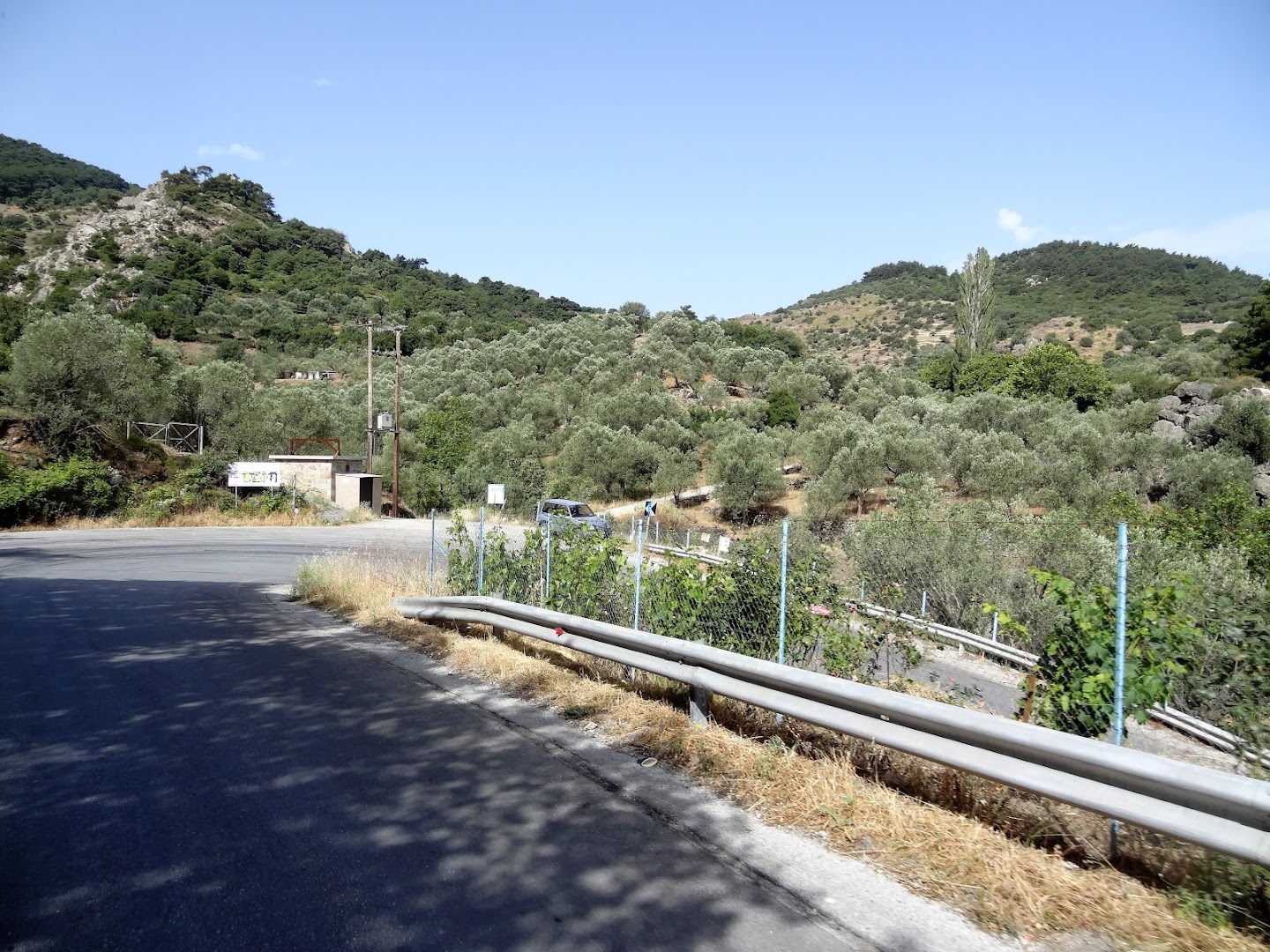
From Mytilene, head northwest through Kalloni and continue into the hills toward the Antissa–Sigri area; the drive is roughly an hour and a quarter along roads that wind through dense olive groves.
Top-Rated in Lafionas
Highest-rated places chosen by visitors
rooms
Pictoresque Serenity
Pictoresque Serenity is a serviced villa accommodation nestled near the tranquil village of Lafionas in the northern reaches of Lesvos, a corner of the island celebrated for its rugged landscapes, ancient olive groves, and the extraordinary Petrified Forest — a UNESCO Global Geopark protecting fossilized trees millions of years old. The setting alone makes this an exceptional base for travelers seeking to explore one of the Aegean's most geologically and culturally rich regions, far from the bustle of more commercial resort areas. As a serviced villa, Pictoresque Serenity offers guests the comfort and privacy of self-contained accommodation with the attentive care that sets it apart from standard rentals. Visitors can expect well-appointed living spaces designed for relaxation, with the kind of quiet that only the northern Lesvos countryside can provide — birdsong, olive-scented breezes, and sweeping views that embody the name itself. The surrounding area rewards those who venture out with dramatic coastline, traditional stone villages, and the remarkable fossil beds of Sigri and Antissa just a short drive away. For travelers who want to experience the authentic, unhurried pace of Lesvos rather than its tourist-facing facade, a stay at Pictoresque Serenity offers an ideal retreat. The Lafionas area remains one of the island's quieter corners, making it particularly well-suited for couples, nature lovers, and anyone drawn to the idea of waking up in genuine Greek countryside while still having easy access to the island's natural and cultural landmarks.
Greek restaurant
O Gavrilos - O Gavrilos
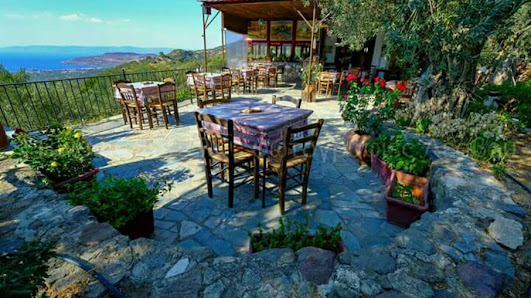
Tucked in the verdant hills of northern Lesvos near the quiet village of Lafionas, O Gavrilos is one of those unhurried, locally beloved establishments that defines the authentic rhythm of island life. Named in the time-honoured Greek tradition after its proprietor, it carries the warmth and familiarity of a place where the owner knows the regulars by name and strangers quickly become friends. The northern Lesvos countryside here is lush and largely untouched by mass tourism, making a stop at O Gavrilos feel like a genuine discovery rather than a scheduled attraction. Visitors who find their way here can expect the honest pleasures of a traditional Greek establishment: good food made with local ingredients, cold drinks served without hurry, and conversation that flows as easily as the olive oil drizzled over the mezedes. The area around Lafionas is known for its olive groves and the slow, pastoral pace that has long characterized this corner of the island, and O Gavrilos reflects that character entirely. Whether you stop in after exploring the nearby countryside or the dramatic northern coastline, it offers a welcome respite and a taste of Lesvos as the islanders themselves experience it. What makes O Gavrilos worth seeking out is precisely what cannot be replicated in busier resort towns: a sense of place, of genuineness, of hospitality that is offered not as a service but as a habit. In a region where tourism has not yet smoothed away the edges of everyday life, establishments like this one serve as a window into the real Lesvos. Come without a fixed agenda, sit a while longer than you planned, and leave with the particular contentment that only a truly local experience can provide.
attraction
Klapados Waterfall
Scenic waterfall and hiking destination near Petra, accessible via a moderate 400-meter trail from the parking area (2km gravel road approach available by vehicle). A popular spot for nature lovers and hikers seeking a refreshing outdoor excursion with beautiful natural features.
attraction
Klapados Abandoned Village
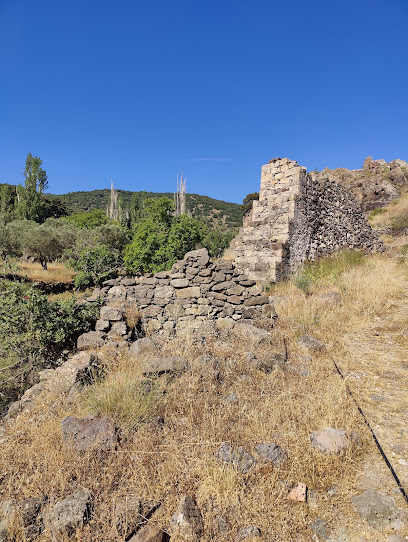
Perched in the rugged northwestern reaches of Lesvos, near the quiet village of Lafionas, Klapados is one of the island's many hauntingly beautiful abandoned settlements. Like several villages across Lesvos, it fell silent over the course of the twentieth century as rural depopulation drew residents toward larger towns, the mainland, and distant shores. What remains today are stone walls slowly returning to the hillside, olive trees that once fed families now growing untended, and an atmosphere of layered time that draws thoughtful travellers seeking something beyond the beach. Walking through Klapados, visitors encounter the particular melancholy and beauty unique to abandoned Aegean villages: doorways framing empty sky, cobblestone paths reclaimed by wildflowers, and the outlines of a community that once had its rhythms of daily life. The landscape around the site is characteristic of Lesvos's northwest, with views across scrubby hills and the occasional shimmer of the sea in the distance. It is the kind of place that invites quiet reflection on the island's complex modern history and the forces — war, poverty, migration — that shaped it. For travellers exploring the area around Lafionas and the broader northwestern corner of Lesvos, Klapados makes for a rewarding short detour. It pairs naturally with visits to the nearby coast and the traditional villages of the region. Come prepared for uneven terrain and bring water; there are no facilities at the site. The reward is an unmediated encounter with vernacular architecture and a slower, more contemplative side of Lesvos that the island's more visited spots rarely offer.
Practical Info
Supermarket
Not found
Medical / Pharmacy
Not found
Petrol Station
Not found
ATM / Bank
Not found
Transport
Not found
All Businesses
Despoina and Christos Taverna
Gialopoulis Evripidis
Klapados Abandoned Village
Klapados Waterfall
LAFION HOUSE
Lafionas Traditional House - Roula
O Gavrilos - O Gavrilos
Pictoresque Serenity
To Aithrio Ouzeri-Taverna
Villa Stratoula Lafiona
Churches & Religious Sites
Άγιος Αλέξανδρος
Agios Alexandros
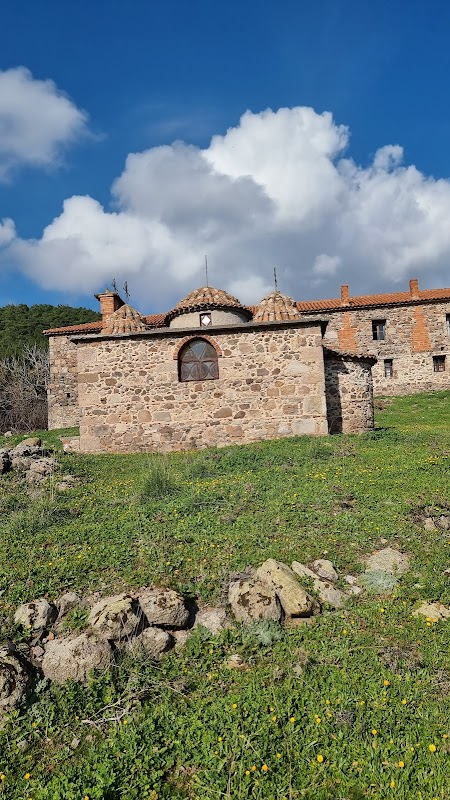
Tucked into the rugged northwestern landscape of Lesvos near the quiet village of Lafionas, the church of Agios Alexandros stands as a testament to the deep-rooted Orthodox faith that has shaped community life on the island for centuries. Dedicated to Saint Alexander, whose feast day is celebrated on August 30th, the church reflects the vernacular ecclesiastical architecture common to the Aegean — modest in scale yet dignified in presence, built to endure the salt winds and bright light of the eastern Mediterranean. Like many rural chapels on Lesvos, it likely draws on local stone and traditional craft, its whitewashed walls and terracotta roof tiles blending harmoniously into the surrounding olive-covered hillside. For the villagers of Lafionas and the surrounding hamlets, Agios Alexandros is far more than a historic landmark — it is the spiritual anchor of local life, a place where baptisms, weddings, memorials, and name-day celebrations have gathered generations together. The church's interior, as is typical of Aegean Orthodox chapels, would house a carved wooden iconostasis separating the nave from the sanctuary, along with venerated icons that accumulate the prayers and votive offerings of the faithful over many decades. The feast of Saint Alexander brings the community together in late summer, when the heat begins to soften and the olive harvest approaches, marking the celebration with a liturgy followed by the warmth of communal gathering. Visitors who venture into this quieter corner of Lesvos, away from the more traveled routes, will find in Agios Alexandros a place of genuine stillness. The northwestern part of the island retains a sense of timelessness that is increasingly rare, and small churches like this one invite a moment of reflection amid the elemental landscape of sea, stone, and ancient groves. Whether you arrive during the feast day or simply pass by on a wandering drive through the hills, the church offers a glimpse into the unassuming spiritual life that has sustained these communities through centuries of change.
Άγιος Γεώργιος
Agios Georgios
Nestled near the quiet village of Lafionas in the rugged northwestern reaches of Lesvos, the church of Agios Georgios stands as a testament to the deep Orthodox faith that has shaped life on this island for centuries. Dedicated to Saint George, one of the most beloved saints in the Greek Orthodox tradition and the patron of soldiers, shepherds, and farmers, the church likely dates to the Byzantine or early Ottoman period, as do many of the small rural chapels scattered across Lesvos's interior. Its setting amid the olive groves and stone-terraced hillsides of this sparsely populated corner of the island gives it a contemplative quality that larger, more visited sanctuaries rarely possess. Architecturally, Agios Georgios is typical of the vernacular ecclesiastical style found throughout the Aegean — a modest single-nave structure with thick whitewashed walls, a terracotta-tiled roof, and a small bell tower that rings out across the valley on feast days. Inside, visitors are likely to find a traditional wooden iconostasis separating the nave from the sanctuary, adorned with icons of Christ, the Theotokos, and Saint George himself, often depicted in his iconic pose slaying the dragon — a symbol of good triumphing over evil that resonates deeply with rural communities who have long sought divine protection for their livestock and harvests. The feast day of Saint George, celebrated on April 23rd, is one of the most joyful occasions in the Orthodox calendar, and in villages like Lafionas it is observed with a liturgy, communal gathering, and the simple hospitality for which Lesvos is known. For travelers venturing off the beaten path into the island's less-explored northwest, a visit to this small church offers a genuine glimpse into the spiritual rhythms of traditional Lesbian village life — a living continuity with a past that stretches back through Byzantine Christianity to the earliest communities that have called this extraordinary island home.
Church (39.2847, 26.1959)
Tucked into the quiet landscape near the village of Lafionas in northwestern Lesvos, this Orthodox church stands as a testament to the deep spiritual life that has shaped the island's communities for centuries. Like many rural churches across Lesvos, it likely serves as the devotional heart of the surrounding area, gathering the faithful for feast days and the rhythms of the liturgical year. The Orthodox tradition on Lesvos is inseparable from daily life, and small churches such as this one are often lovingly maintained by local families who have worshipped there across generations. The area around Lafionas is known for its unspoiled, traditional character, and any church in this setting would reflect the vernacular ecclesiastical architecture common to the northeastern Aegean — typically a modest whitewashed or stone structure with a terracotta-tiled roof, a single bell tower, and an intimate interior where candlelight illuminates hand-painted icons and the faint scent of incense lingers in the air. These icons, whether centuries old or more recent devotional works, are the living theology of Orthodox Christianity made visible, and they invite quiet contemplation from visitors of any background. For travelers exploring the villages and hillside paths of northwestern Lesvos, encountering a church like this one is an invitation to pause and connect with the spiritual and cultural fabric of the island. If you happen to visit on a local feast day, you may find the doors open, candles lit, and villagers gathering as they have for generations — a reminder that on Lesvos, faith and community remain deeply intertwined with the land itself.
Κοίμηση Θεοτόκου
Koimisi Theotokou
Tucked into the quiet landscape near the village of Lafionas in northwestern Lesvos, the Church of the Koimisi Theotokou — the Dormition of the Virgin Mary — stands as a testament to the deep Orthodox faith that has shaped life on this island for centuries. The dedication to the Koimisi, marking the falling asleep and heavenly assumption of the Mother of God, is one of the most beloved in the Greek Orthodox tradition, and churches bearing this name are cherished anchors of community identity across the Aegean. Like many rural churches of Lesvos, this one likely reflects the modest yet dignified stone-built architecture characteristic of the island's ecclesiastical heritage, with whitewashed walls, a tiled roof, and an intimate interior shaped for candlelit worship rather than grand ceremony. The feast of the Dormition, celebrated on August 15th, is among the most significant in the Orthodox calendar, observed with the same solemnity and joy as Easter itself in many Greek communities. On this day, locals and returning emigrants gather for the panegyri — the festive liturgy and celebration that follows — filling the churchyard with prayers, music, and the warmth of reunion. Inside, visitors will typically find an iconostasis adorned with icons rendered in the Byzantine tradition, the golden hues and solemn expressions of the painted saints creating a contemplative atmosphere that feels timeless against the simplicity of rural stone walls. For travelers exploring the lesser-visited north of Lesvos, this small church offers a genuine encounter with the island's living spiritual culture. Lafionas itself sits amid rolling hills and olive groves, and a visit to the Koimisi church — whether during the August feast or on a quiet afternoon when the door stands open — provides a moment of stillness and connection to the rhythms that have defined village life here for generations. It is the kind of place that reminds visitors why Lesvos rewards those who venture beyond the well-worn paths.
Gallery & Videos
Captured a memorable moment in Lafionas?
Make a day of it
Places worth combining with your visit
Nearby
Beaches
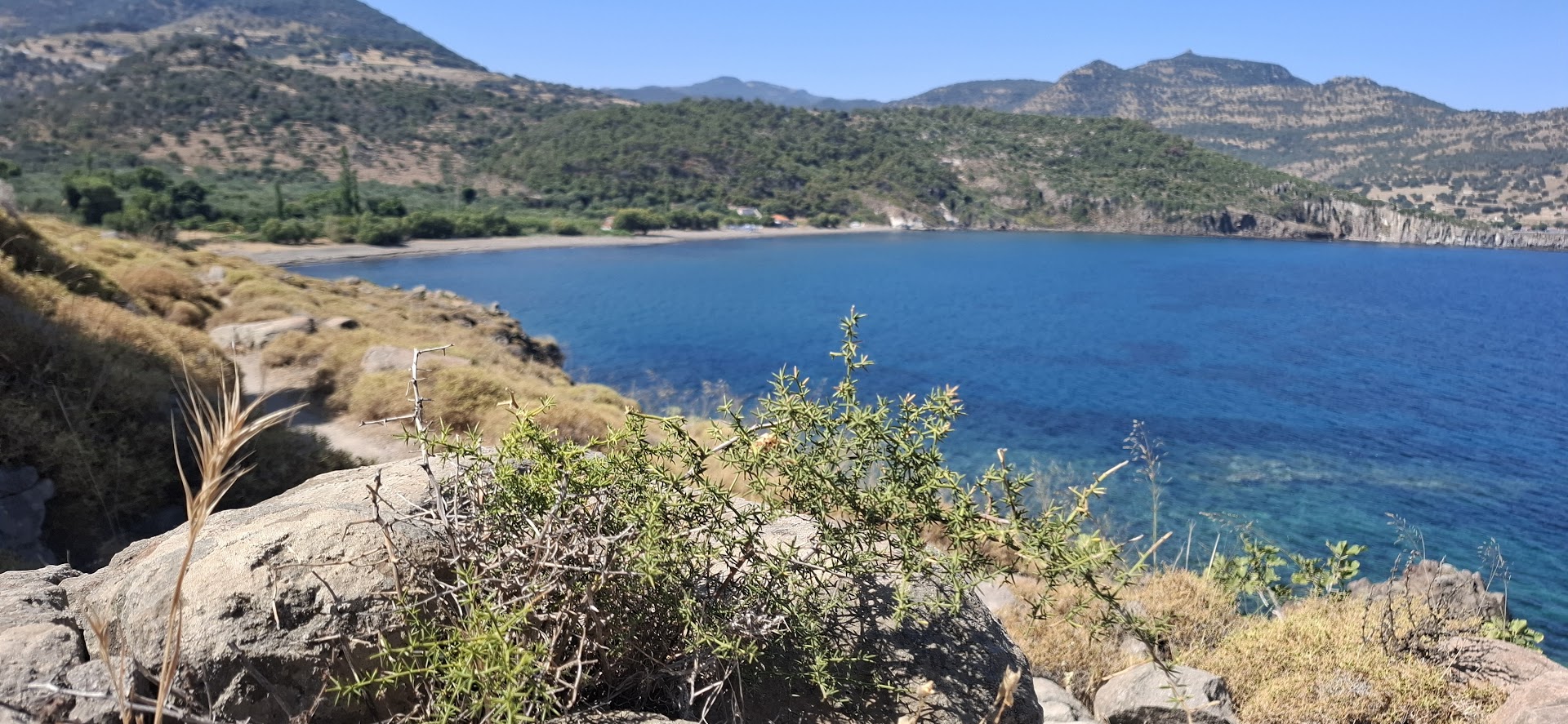
Anaxos Skoutarou Beach
2.9 km away
Paralia Anaxou
3.3 km away
Abelia Beach
4.3 km away
Ampelia
4.4 km away