About
Perched in the rugged northwestern reaches of Lesvos near the quiet village of Lafionas, Klapados is a hauntingly beautiful site of abandoned ruins that speaks to the island's long and layered human history. Like many of the scattered ghost settlements found across Lesvos, Klapados was once a living community whose inhabitants worked the surrounding land and sea, their daily rhythms shaped by the rhythms of the Aegean. The site reflects a broader pattern common to the island: villages that flourished under Byzantine and later Genoese and Ottoman rule, only to be gradually abandoned as populations shifted toward the coast or consolidated in larger settlements over the centuries.
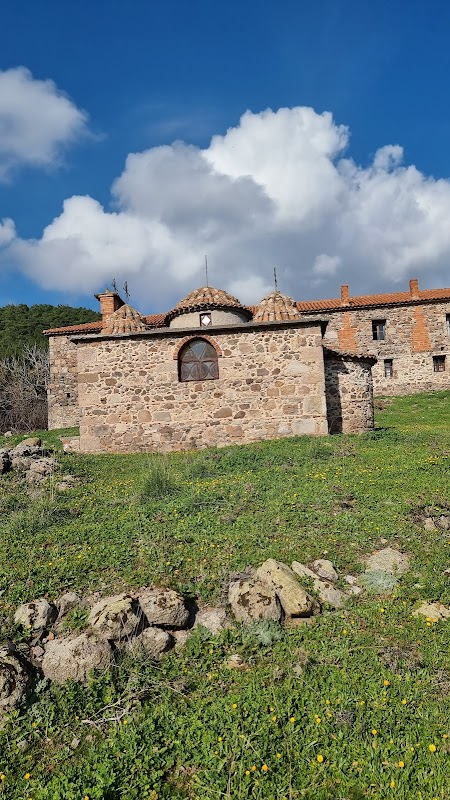
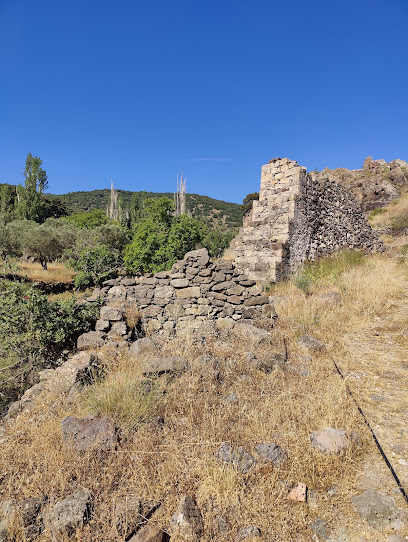
Today, visitors who make their way to Klapados encounter the quiet drama of stone walls reclaimed by wild vegetation, broken foundations that trace the outlines of former homes and perhaps a small chapel, and the sweeping views over the northwestern landscape that first drew people to settle here. The area around Lafionas is off the well-worn tourist trail, which means the ruins feel genuinely undiscovered, offering an atmosphere of solitude that is rare on a popular island. The surrounding terrain is typical of this corner of Lesvos: dry hills dotted with olive trees, the smell of wild herbs underfoot, and a deep silence broken only by wind and birdsong.
Klapados matters not for any single monument but for what it represents: the human impulse to build community in even the most remote corners of this ancient island. For the historically curious traveller, it is a place for quiet reflection on the generations who shaped Lesvos before the modern era, and a rewarding destination for those willing to venture beyond the signposted sites. The journey from Lafionas is itself part of the experience, passing through landscapes that have changed little in centuries.
Before you go
What to expect
Stepping into Klapados feels like entering a landscape mid-pause — stone foundations laced with wild oregano and capers, partial walls still holding the geometry of former rooms, and uninterrupted views across the dry northwestern hills toward the sea. There are no signs or fences, just the ruins and the wind. Most visitors move slowly between foundations, piecing together what life here might once have looked like.
Best time to visit
Late April through June and again in September and October offer the most comfortable walking conditions; summer heat on the exposed hillside can be intense.
How to get there
From Mytilene, drive north toward Kalloni and then follow the road to Lafionas — the journey takes around an hour by car. The ruins are reached on foot from the village of Lafionas.
Details
Categories
Make a day of it
Places worth combining with your visit