Ruins (39.2526, 26.2431)
About
Scattered across the gentle hillside near Agia Paraskevi, these weathered ruins speak to the long continuity of human settlement in the heart of Lesvos. The island's interior has been inhabited since antiquity, and fragmentary remains of walls, foundations, and worked stone in this area reflect the layered history that spans from ancient Greek and Hellenistic periods through Byzantine centuries. Villages and rural sanctuaries once dotted these fertile lowlands, sustained by the agricultural abundance of the surrounding plain, and what survives today offers a quiet testimony to the generations who built their lives here long before the modern village took shape.
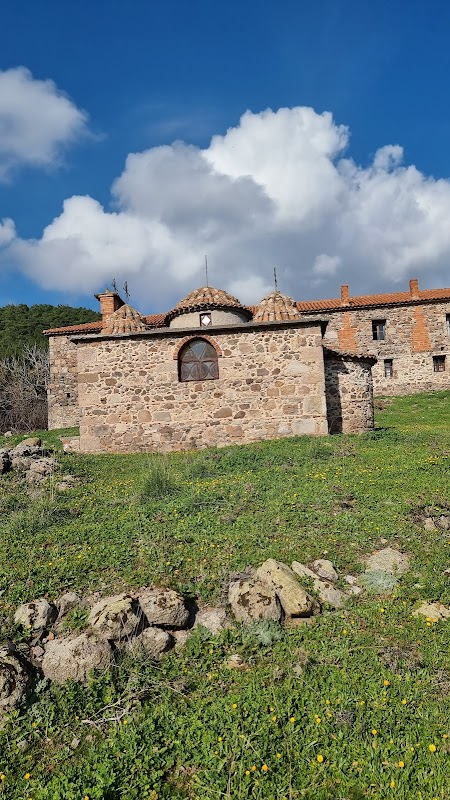
Visitors who make their way to the site will find tumbled masonry and stone courses that hint at the outlines of former structures, their original purpose now left to interpretation. The craftsmanship visible in cut stone blocks suggests deliberate construction rather than mere field walls, pointing to a settlement or civic structure of some local importance. The landscape itself provides context: the broad, cultivated valley below and the low ridgelines around it would have made this a naturally attractive place to settle, offering both defensible position and access to farmland and water.
For travelers exploring the villages of central Lesvos, this site rewards a contemplative visit rather than a dramatic spectacle. The ruins are best understood as part of the wider archaeological texture of the island, where ancient remains surface constantly from olive groves and plowed fields. Pairing a stop here with a visit to Agia Paraskevi itself, a village known for its traditional festivals and the remarkable Folklore Museum of Industrial Olive Oil Production, gives a fuller sense of how deeply rooted human culture is in this corner of Lesvos, from ancient foundations to living traditions that continue today.
Before you go
What to expect
The site is quiet and unhurried — cut stone blocks and tumbled wall courses scattered across a gentle hillside, with the broad agricultural plain of central Lesvos spreading below. There are no crowds or interpretive signs, just ancient masonry emerging from grass and earth, inviting you to read the landscape itself as the document.
Best time to visit
Late spring and autumn offer the most comfortable conditions; summer visits are best made in the morning before midday heat sets in.
How to get there
From Mytilene, take the main road northwest toward Kalloni and then onward to Agia Paraskevi — roughly a 45–55 minute drive. Ask locally for the exact path to the ruins once you reach the village.
Details
Categories
Photos
Make a day of it
Places worth combining with your visit