


Στύψη
Stypsi
Population
855
Elevation
399m
Municipality
Mantamados
Postal Code
811 09
From Mytilene
36.3 km
Nearest Beach
Petra Beach 3
Overview
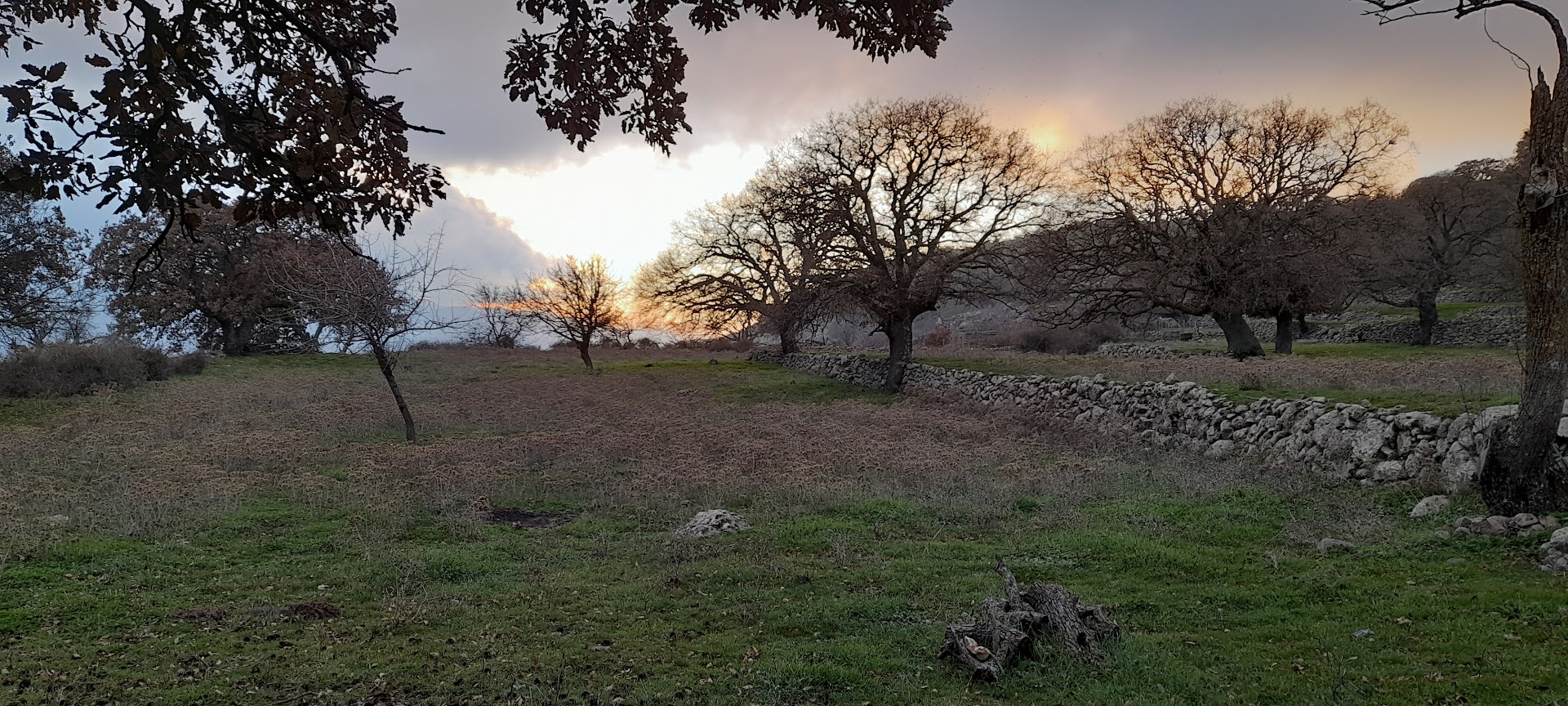
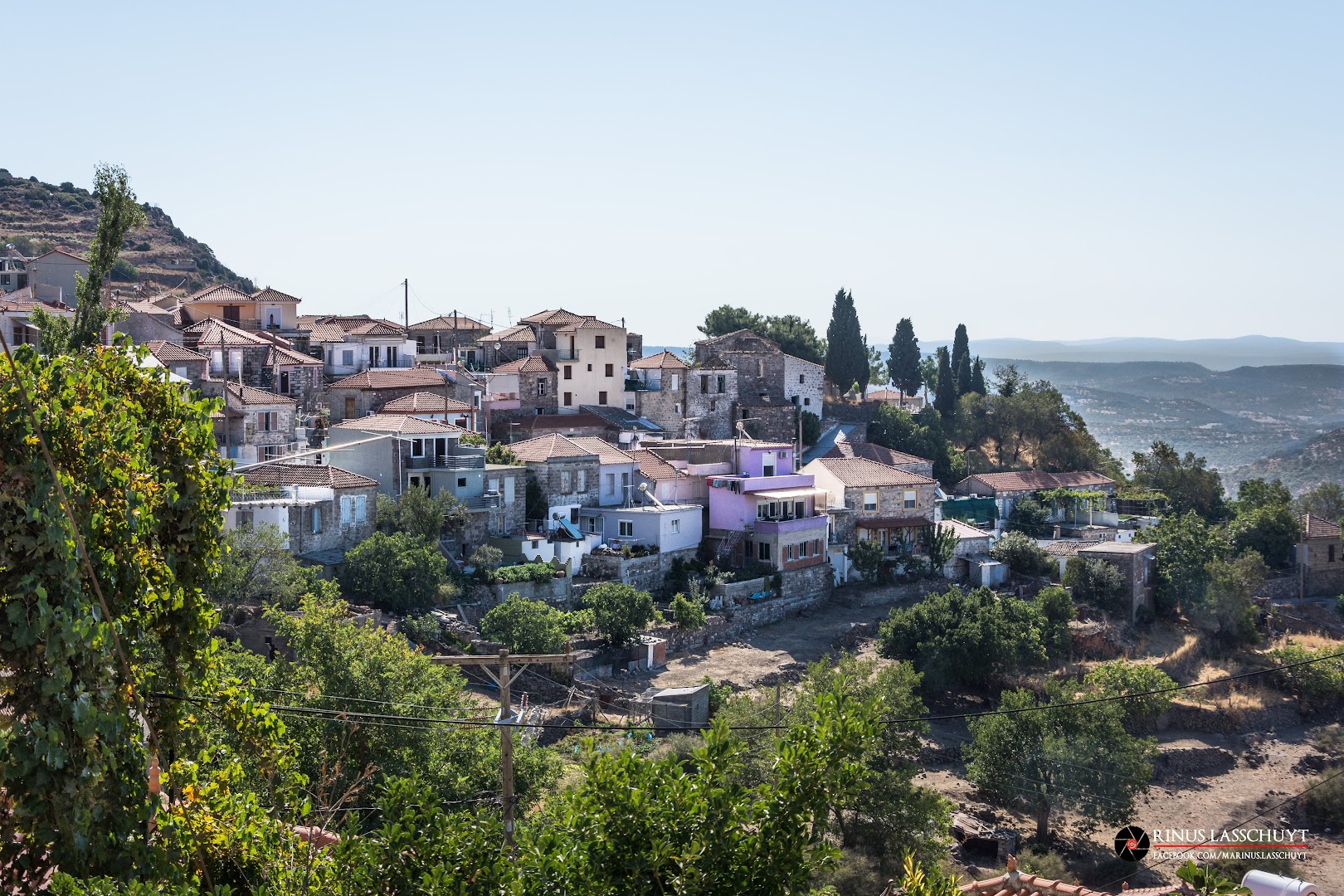
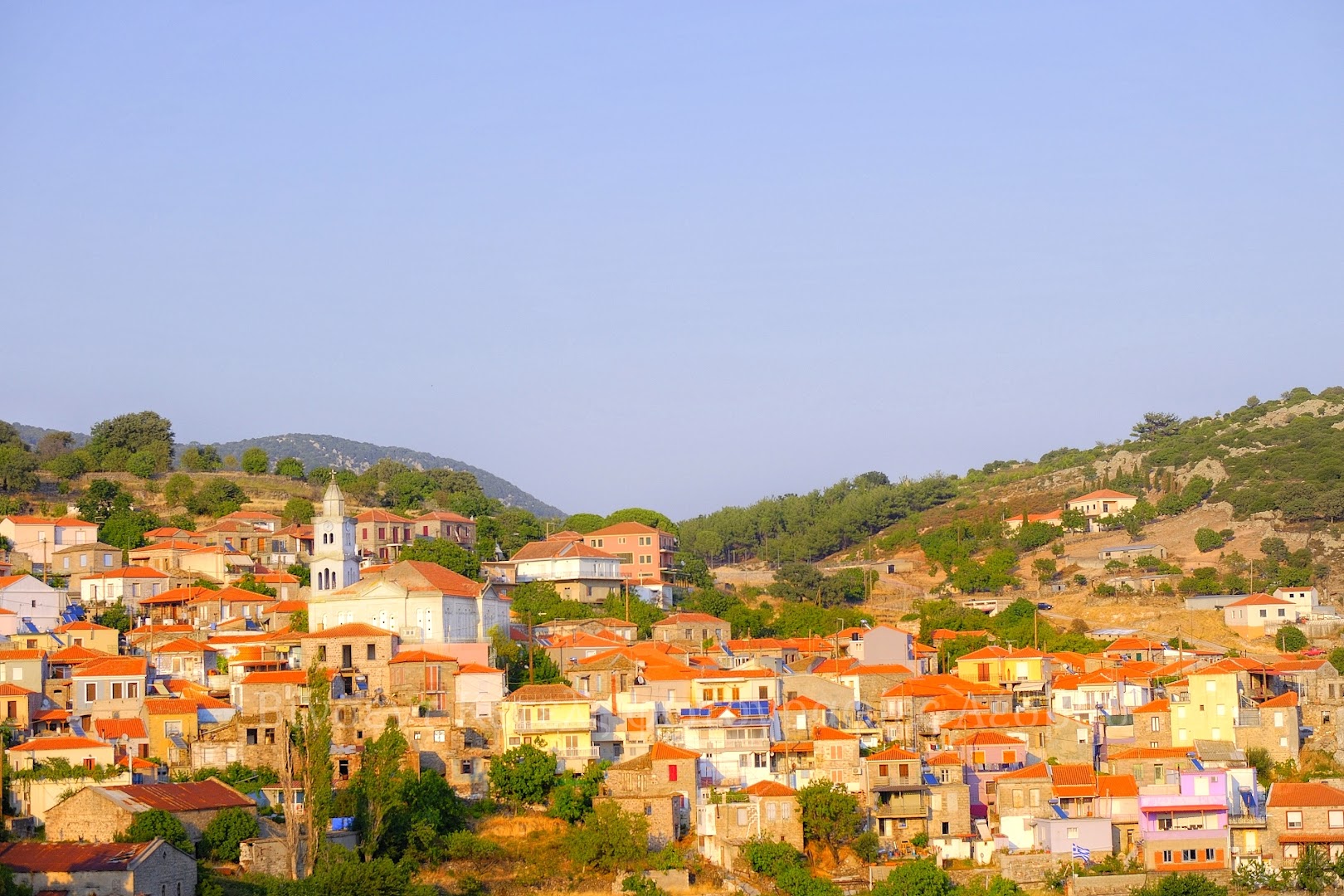
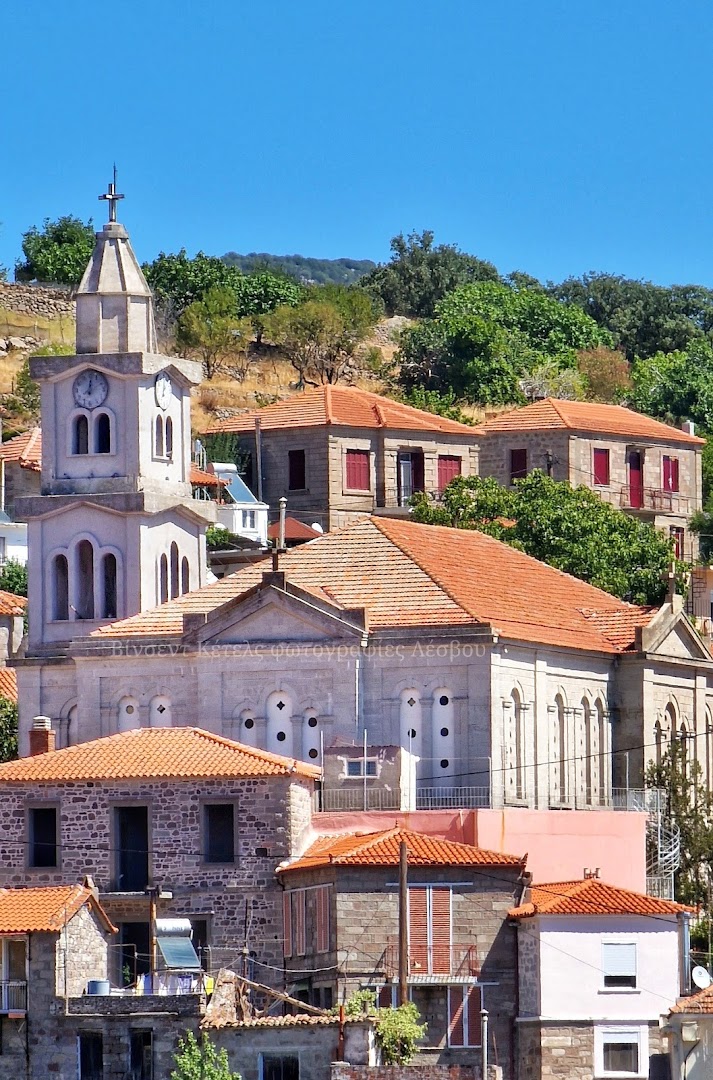
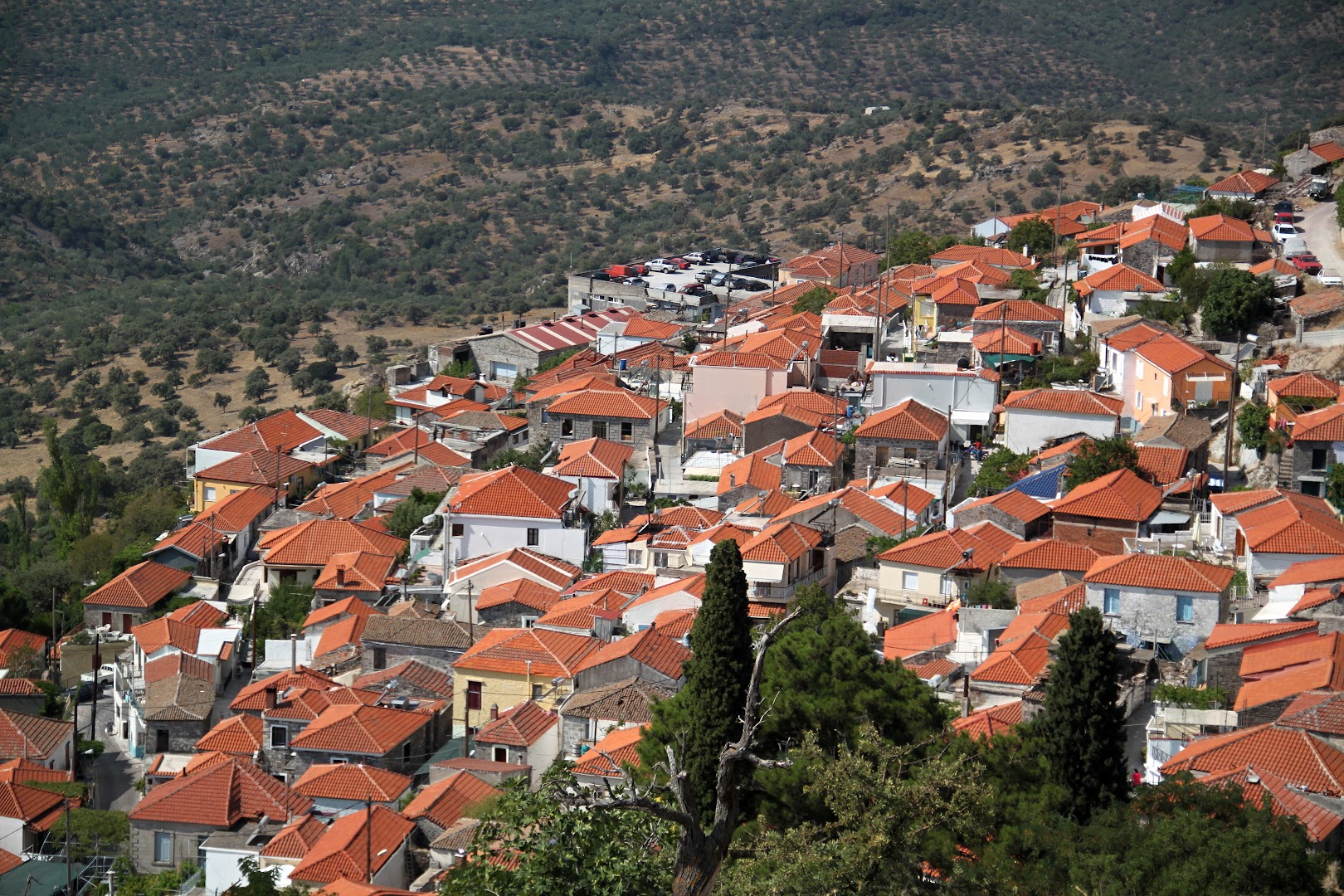
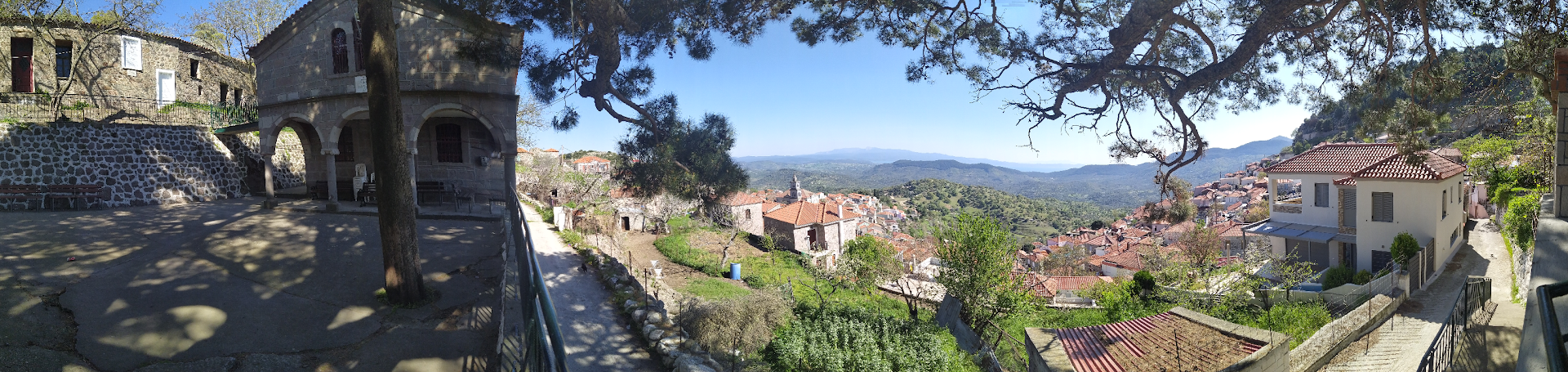
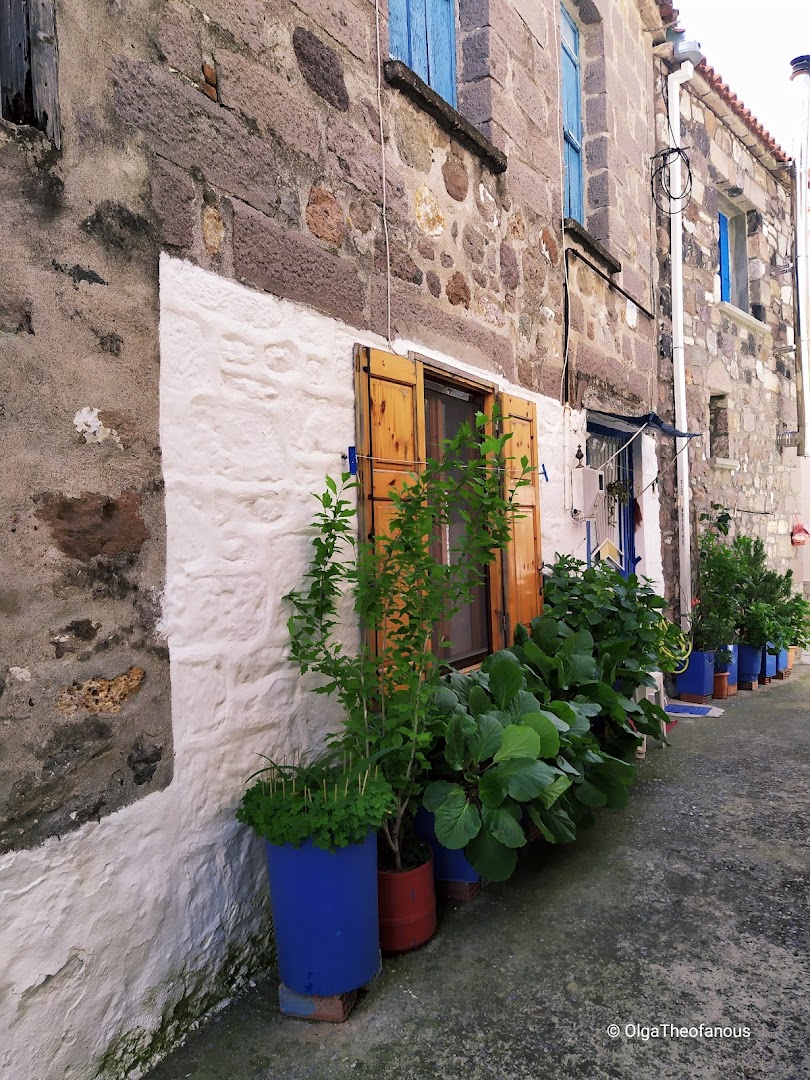
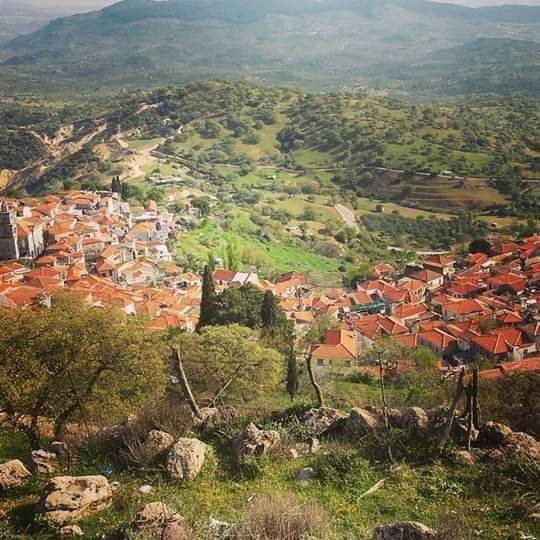
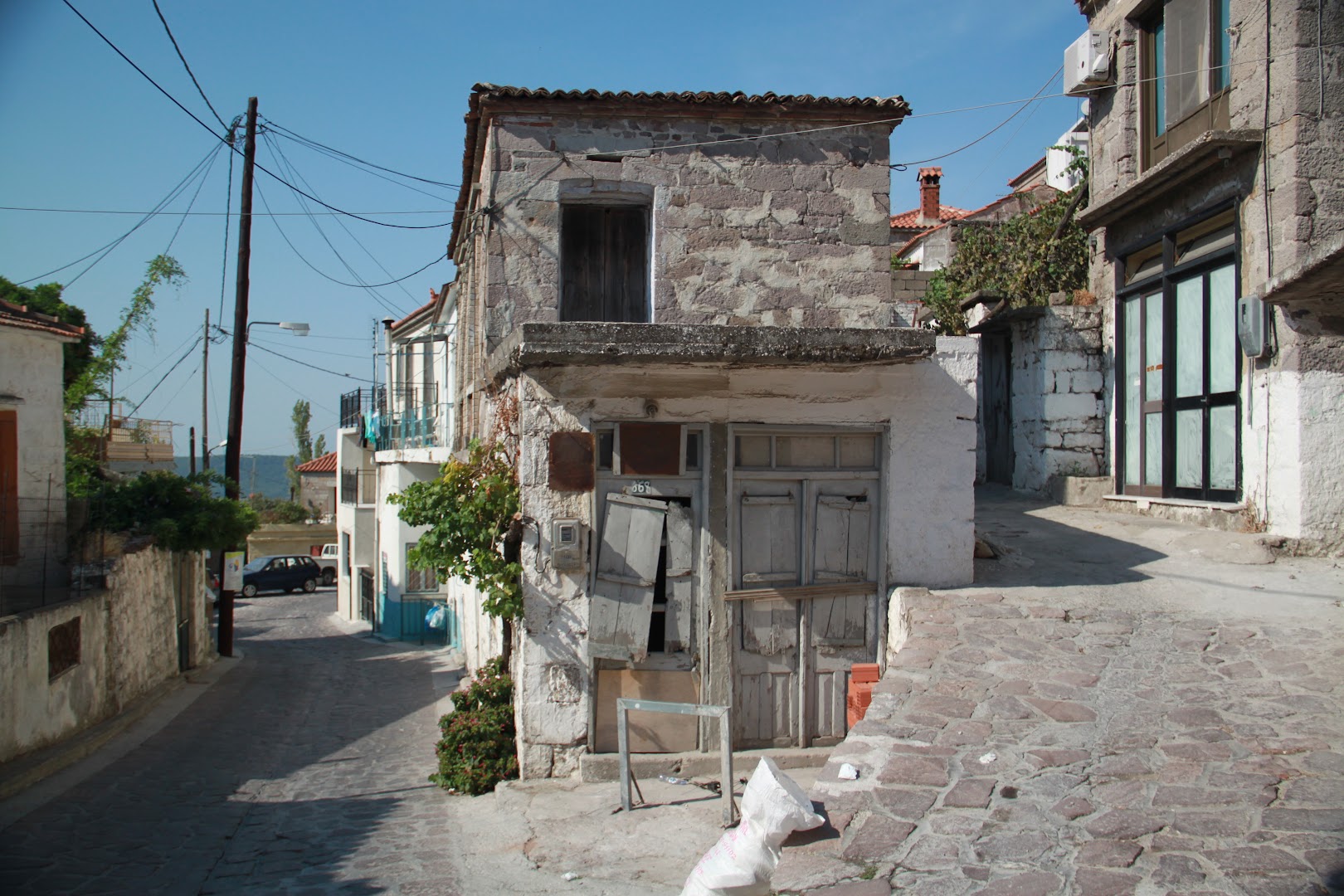
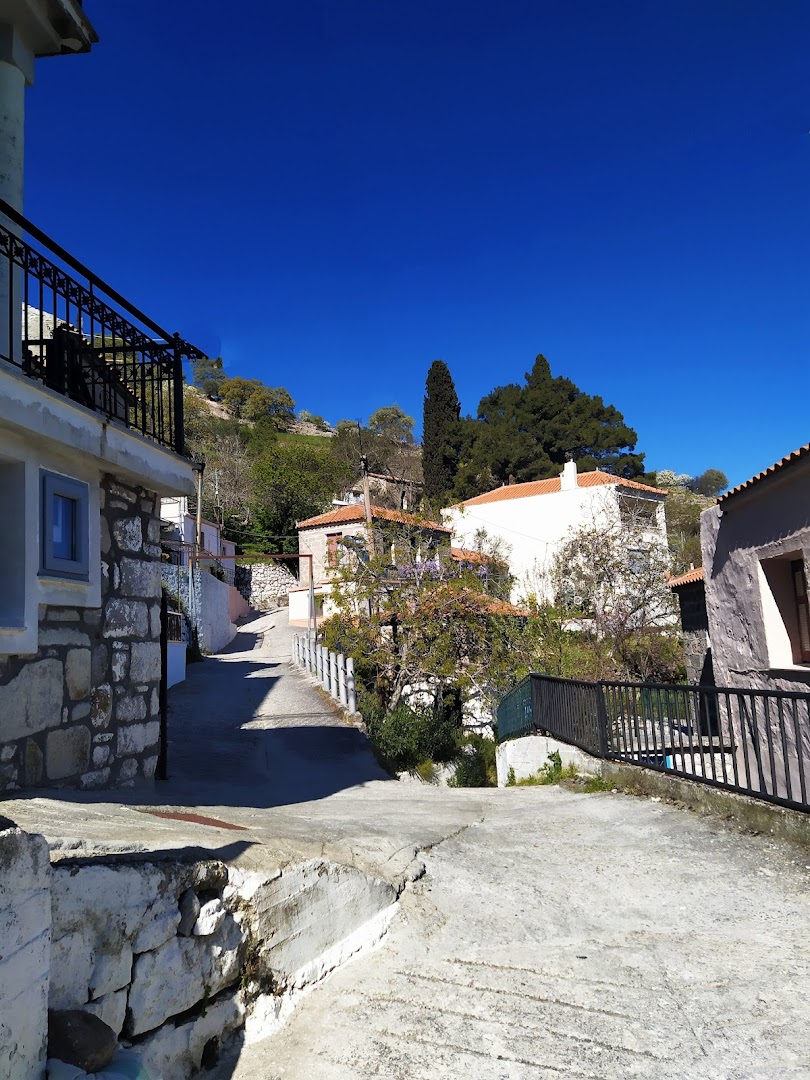
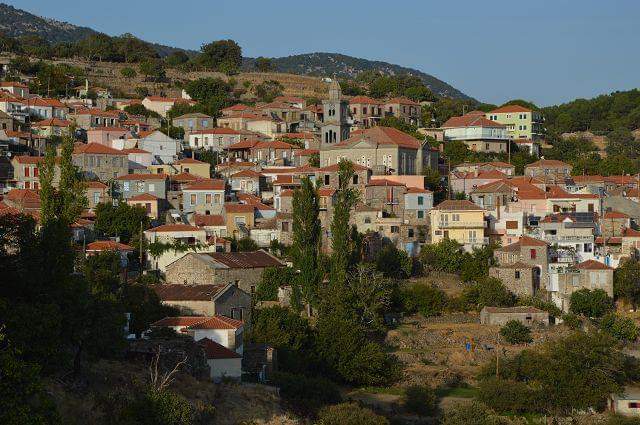
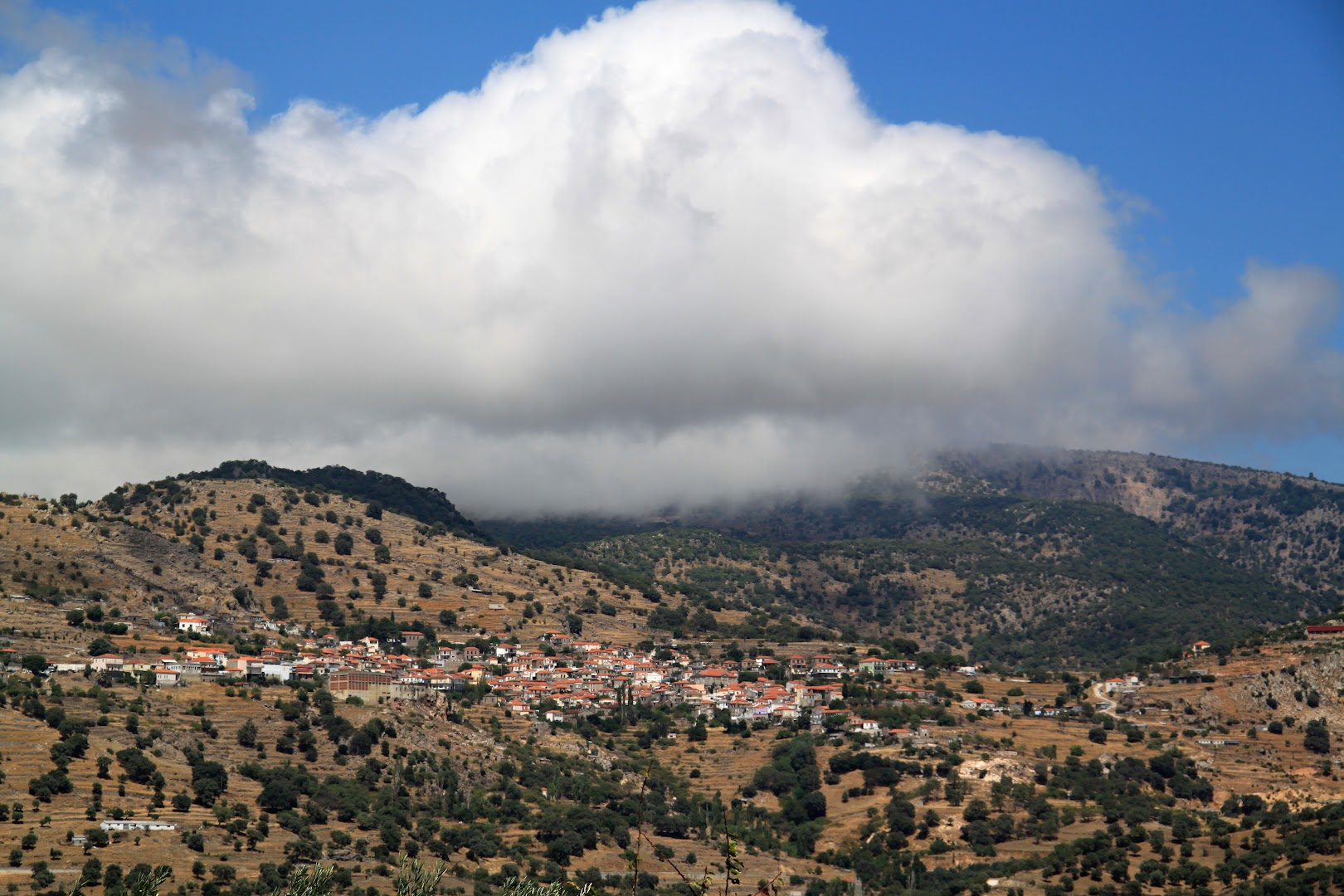
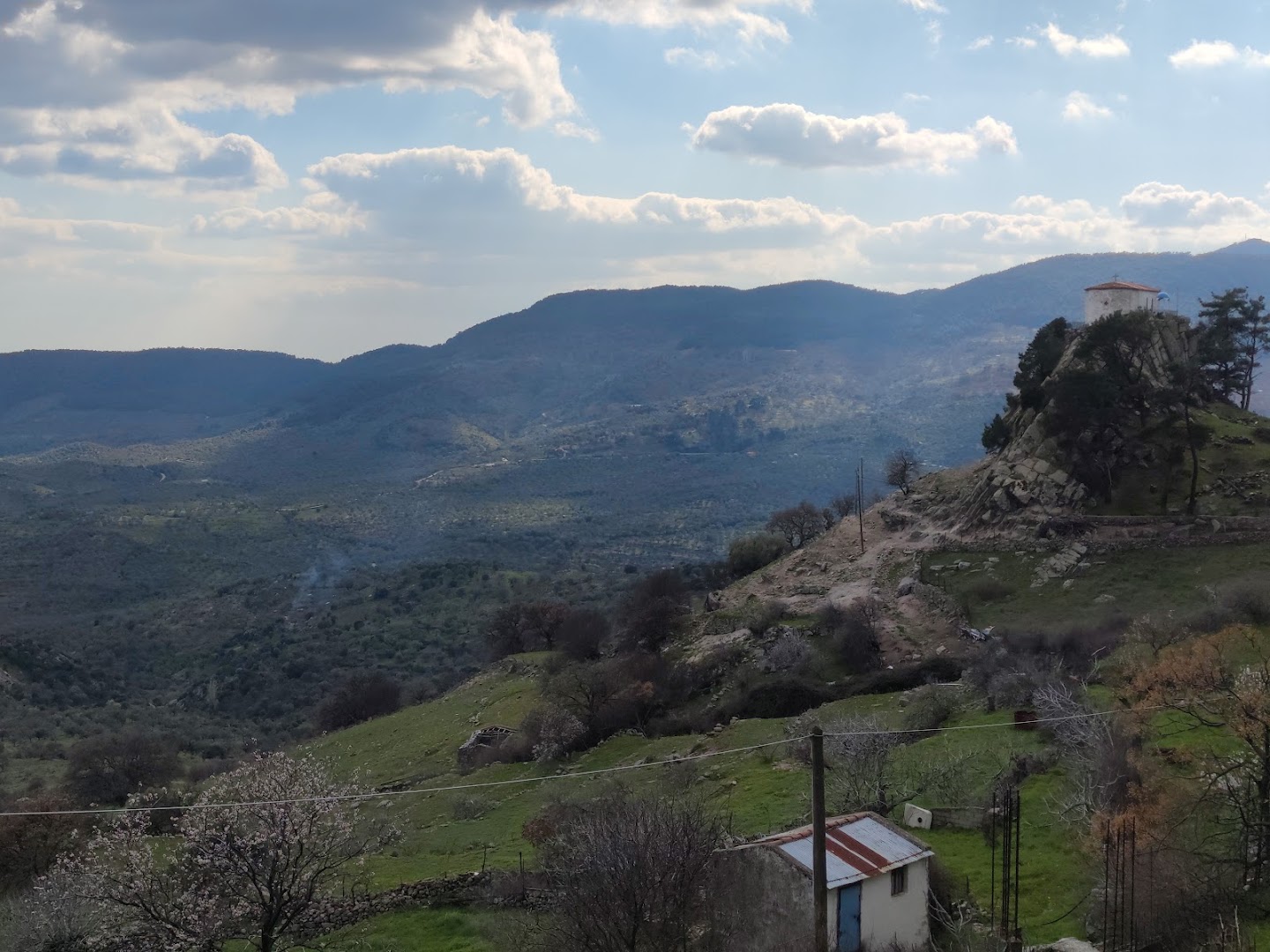
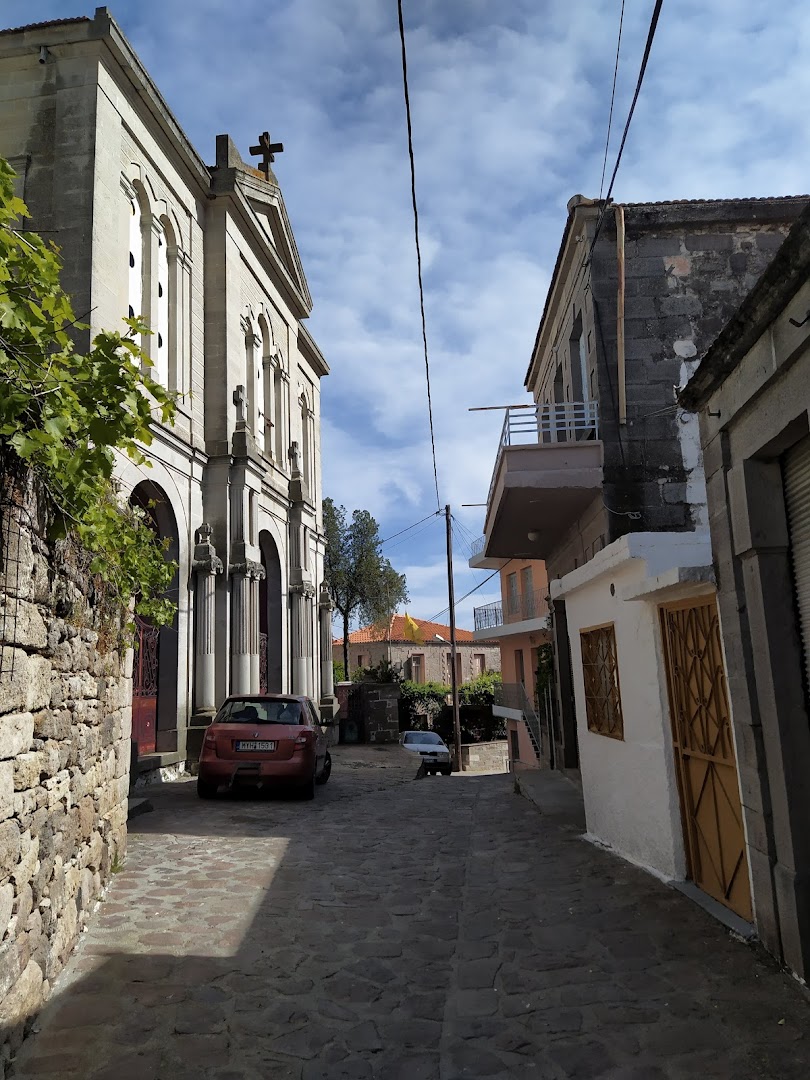
Stypsi is a traditional hilltop village nestled in the mountainous interior of Lesvos, perched at nearly 400 metres above sea level in the island's northern reaches. With a population of around 855, it is one of the more substantial inland settlements on the island, and its elevated position affords sweeping views across the rolling olive-covered hillsides that define this part of Lesvos. The village retains much of its vernacular architecture, with stone-built houses lining narrow cobbled lanes that wind through the settlement in the manner typical of Aegean mountain villages built to withstand both the elements and the uncertainties of earlier centuries.
Like so many villages in the Lesvos interior, Stypsi's character has been shaped above all by the olive tree. The broader region is renowned for producing some of Greece's finest extra-virgin olive oil, and the groves surrounding the village represent both a living agricultural tradition and a deeply rooted cultural identity. Visitors arriving in autumn may witness the annual olive harvest, when families and seasonal workers fan out across the groves in a ritual that has changed little over generations. The local economy is built on this agricultural foundation, supplemented by small-scale livestock keeping and the modest flow of visitors drawn to the village's authentic atmosphere.
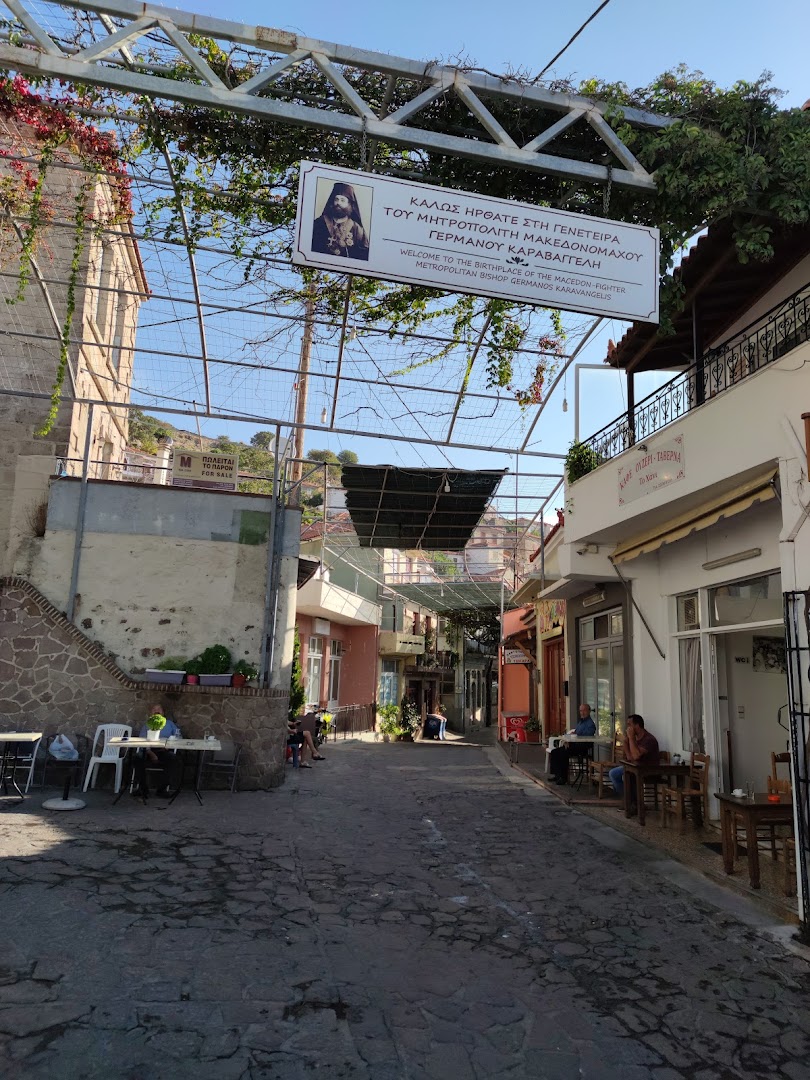
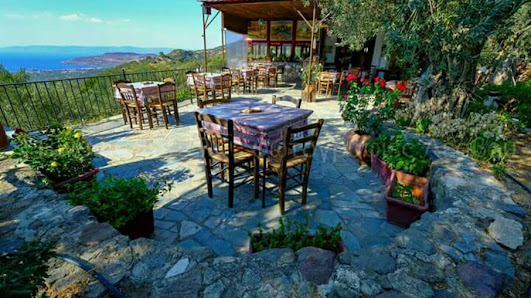
What makes Stypsi particularly appealing to travellers is the sense of a community living at its own unhurried pace, largely removed from the coastal tourist circuits. The village square, with its kafeneion and plane trees, invites lingering over a coffee and conversation. The surrounding landscape offers rewarding walks through ancient olive groves and along stone-walled paths, with the sounds of goat bells and birdsong as constant companions. For those seeking to understand the quieter, more enduring side of Lesvos beyond its celebrated coastline, Stypsi offers an honest and rewarding glimpse into island life as it has been lived for centuries.
Before you go
What to expect
Arriving in Stypsi, the road climbs past terraced olive groves before opening onto a stone village square shaded by old plane trees, where the kafeneion draws locals into slow conversation over coffee. The lanes behind it wind between centuries-old houses with views that reach across silvery hillsides to distant ridges. Goat bells drift up from the slopes and wind moves through the olives — the main soundtrack here, along with the occasional motorbike.
Best time to visit
Late spring and early autumn are ideal when the altitude keeps the heat manageable; visiting in October or November means a chance to watch the olive harvest unfold across the surrounding groves.
How to get there
Stypsi lies in the northern interior, roughly an hour's drive from Mytilene along winding mountain roads through the olive-growing heartland of the island; follow the road north toward Kalloni and then climb into the hills.
Top-Rated in Stypsi
Highest-rated places chosen by visitors
service
Hair Lab
Hair Lab is a hair salon located near Stypsi, a quiet hilltop village set amid olive groves and pine forests in the northeastern interior of Lesvos. For visitors spending time in this scenic corner of the island, having a reliable local salon nearby is a welcome convenience, whether for a trim, a style, or simply a moment of grooming care during a longer stay. The salon offers the kind of personal, attentive service that characterizes small Greek businesses, where clients are treated as individuals rather than appointments. Visitors to Lesvos who are staying in the villages of the northeastern interior will find Hair Lab a practical and pleasant stop, staffed by professionals who understand both local and international tastes.
Travel agency
Stipsi Tours
Tucked away in the rolling hills of northern Lesvos near the traditional village of Stypsi, Stipsi Tours offers visitors a gateway into one of the island's most authentic and less-traveled corners. This part of Lesvos is prized for its unspoiled landscapes, ancient olive groves, and the unhurried pace of rural Greek life that has changed little over generations. A local tour operation here serves as an invaluable bridge between curious travelers and the deeper rhythms of the island, opening doors to experiences that would be difficult to find independently. Whether arranging excursions into the surrounding countryside, organizing transfers to nearby sites, or connecting guests with local producers and hidden villages, Stipsi Tours draws on an intimate knowledge of the region that only comes from being rooted in the community. The area around Stypsi rewards exploration — from the pine-forested ridges to the sweeping views across the Aegean — and having a knowledgeable local operator makes all the difference in understanding what you are seeing and why it matters. Visitors who engage with a business like this tend to leave with stories rather than just photographs. For travelers who want to venture beyond the well-worn tourist trail and discover Lesvos as its residents know it, Stipsi Tours represents exactly the kind of grassroots, community-connected service that makes a journey memorable. The northern interior of the island is a world apart from the beach resorts of the coast, and this small operation helps ensure that world remains accessible to those willing to seek it out.
local-products
Oikotechnia A.O.- Gevseis Paradosis
Tucked away in the verdant hills near Stypsi, one of Lesvos's most authentically preserved inland villages, Oikotechnia A.O.- Gevseis Paradosis is a treasure for visitors seeking a genuine taste of the island's artisanal heritage. The name itself says it all: oikotechnia refers to traditional home crafts and cottage industry, while gevseis paradosis translates warmly as "tastes of tradition." Together they speak to a place devoted to keeping alive the time-honored skills and flavors that have defined Lesbian rural life for generations. Here visitors can expect to find locally made products rooted in the agricultural and culinary traditions of the island's interior — the kinds of goods that rarely make it to supermarket shelves but have sustained families and communities for centuries. Think handcrafted preserves, artisanal cheeses, olive-based products, and other delicacies produced with the care and knowledge passed down through Lesvian households. The cooperative or association model behind the business reflects a broader commitment to supporting local producers and sustaining the economic fabric of villages like Stypsi. For the curious traveler driving through the pine-scented landscape of northern Lesvos, a stop here offers something far beyond simple shopping. It is an invitation to slow down and connect with the island's living culture — to taste, to ask questions, and to leave with something genuinely made on Lesvos rather than a mass-produced souvenir. The proximity to Stypsi, a village worth exploring in its own right for its stone architecture and unhurried pace, makes this a natural and rewarding detour on any journey through the island's interior.
cafe
Agora Cafe
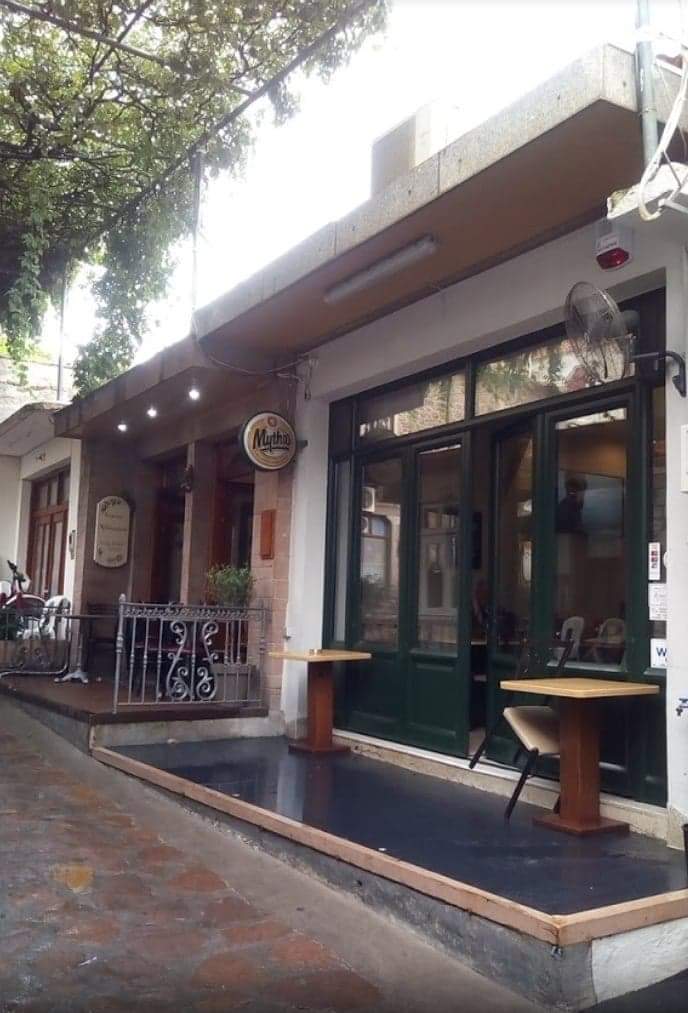
Small village cafe in Stipsi offering quality coffee and a selection of alcoholic beverages. Though limited in size and capacity, it serves as the village gathering spot. Perfect for a quick coffee stop while exploring the quieter mountain villages of Lesvos.
Practical Info
Supermarket
2 stores
Medical / Pharmacy
2 facilities
Petrol Station
EKO Stipsi
ATM / Bank
Euronet ATM
Transport
Not found
All Businesses
Agora Cafe
Chani
Drakoulas Bakery
EKO Stipsi
Elaiourgikos Synetairismos Stypsis Lesvou Syn.PE.
Euronet ATM
Georgios Stavrou Bakery
Hair Lab
Ignatios Chiou
Internet Cafe Stipsi
Local Honey Pavlidis
Manavi Traditional Settlement - Two-Bedroom House
Churches & Religious Sites
Άγιος Γεώργιος
Agios Georgios
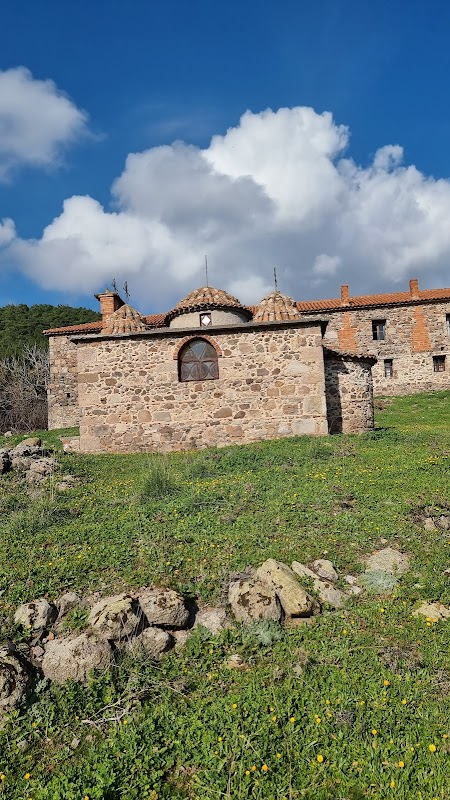
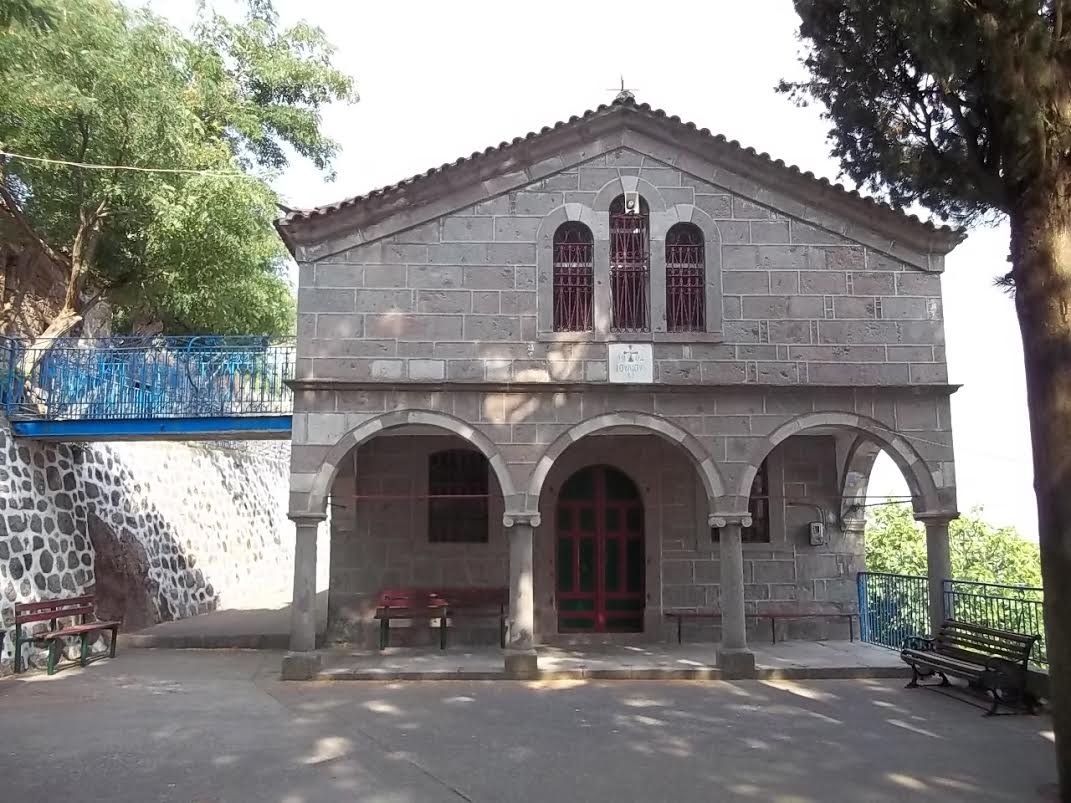
Dedicated to Saint George, one of the most beloved figures in the Greek Orthodox tradition, this whitewashed church sits quietly in the landscape near the village of Stypsi in northern Lesvos. Saint George — soldier, martyr, and patron of warriors and farmers alike — holds a cherished place in the devotional life of island communities, and churches bearing his name are among the most common and most dearly kept across the Aegean. The building itself reflects the vernacular ecclesiastical architecture typical of rural Lesvos: modest stone or rendered masonry walls, a terracotta-tiled roof, and a simple bell tower that rings out across the surrounding olive groves and hillsides. Inside, visitors will find the intimate atmosphere characteristic of small Orthodox churches, with a wooden iconostasis separating the nave from the sanctuary and oil lamps casting a warm glow over painted icons. Though the church may lack the grand frescoes of larger monastic foundations, the devotional objects accumulated over generations — votive offerings, embroidered epitaphia, locally painted icons — speak to the living faith of the surrounding community. The feast of Saint George, celebrated on April 23rd, brings together villagers from Stypsi and the surrounding area for a liturgy followed by communal festivities, a tradition that has anchored the rhythm of local life for centuries. For visitors passing through this corner of Lesvos, Agios Georgios offers a moment of quiet reflection and an authentic encounter with the island's spiritual heritage. The church is not a museum piece but a living place of worship, tended by the community that has long looked to its patron saint for protection and blessing. Its setting near Stypsi, a traditional village known for its stone houses and unhurried pace, makes it a natural stop for those exploring the verdant interior of the island away from the busier coastal routes.
Άγιος Γεώργιος
Agios Georgios
Nestled in the verdant hills near the traditional village of Stypsi in the northeastern interior of Lesvos, the church of Agios Georgios is dedicated to Saint George, one of the most beloved saints in the Greek Orthodox tradition and the patron of countless communities across the Aegean. Saint George holds a special place in the hearts of islanders throughout Greece, venerated as a protector of farmers, soldiers, and travelers alike. Churches bearing his name are among the most common on Lesvos, reflecting the deep roots of his cult in this part of the eastern Mediterranean, where Byzantine religious life flourished for centuries before the Ottoman period and continued quietly through it. The church sits within a landscape of olive groves and pine-covered slopes that define this part of the island's interior, far from the busy coastal resorts. Like many rural Lesbian churches, it likely follows the simple single-nave basilica form typical of vernacular Orthodox architecture on the island, its whitewashed walls and terracotta-tiled roof blending naturally with the surrounding countryside. Inside, visitors may find a carved wooden iconostasis and icons depicting Saint George in his traditional role as the dragon-slaying warrior-martyr, a powerful symbol of good triumphing over evil that resonates deeply in Orthodox iconographic tradition. The feast day of Saint George falls on April 23rd, and in communities across Lesvos this occasion is marked with liturgical services, communal gatherings, and the particular warmth of a village celebrating its patron. For visitors, a visit to Agios Georgios offers not just a glimpse of living Orthodox practice but also a quiet moment of reflection in an unspoiled corner of Lesvos, where the rhythms of religious and rural life have remained intertwined for generations. The nearby village of Stypsi, with its stone houses and traditional character, makes this an ideal stop for travelers exploring the island's inland heritage.
Άγιος Ιωάννης
Agios Ioannis
Nestled in the verdant landscape near the village of Stypsi in northern Lesvos, the church of Agios Ioannis is dedicated to Saint John, one of the most beloved and widely venerated saints in the Orthodox Christian tradition. Like so many of the island's rural chapels, it stands as a quiet testament to the deep faith that has woven itself into the fabric of Lesbian village life for centuries. The surrounding countryside, with its olive groves and pine-covered hillsides, gives the site a serene, contemplative quality that feels entirely in keeping with its sacred purpose. The church likely follows the simple single-nave basilica style typical of vernacular religious architecture across the Aegean, with whitewashed walls, a terracotta-tiled roof, and an iconostasis bearing the traditional painted icons of the Orthodox liturgical canon. Dedications to Saint John — whether the Baptist or the Theologian — are marked with particular warmth in Greek communities, and the feast days associated with him draw local villagers together for liturgy, candlelit processions, and the kind of communal gathering that has sustained these mountain communities through generations. The feast of the Nativity of Saint John the Baptist on June 24th, falling close to midsummer, has long been observed with bonfires and celebration across the Greek world. For visitors exploring the quiet villages of the Lesvos interior, Agios Ioannis offers a moment of genuine stillness. Stypsi itself is a well-preserved traditional settlement, and the church provides an authentic glimpse into the spiritual life that continues to anchor the rhythms of the island's rural communities. Whether you arrive during a feast day and find the church alive with incense and chant, or visit on an ordinary afternoon when the only sound is the wind through the olives, it is a place that rewards those who take the road less traveled through this remarkably beautiful island.
Holy Mary
Nestled in the verdant hills near the traditional village of Stypsi in northern Lesvos, the church of Holy Mary — known in Greek as the Panagia — stands as a testament to the deep Marian devotion that has shaped religious life across the Aegean for centuries. Churches dedicated to the Virgin Mary are among the most beloved in the Greek Orthodox tradition, and this one serves as a spiritual anchor for the surrounding community, its whitewashed walls and characteristic red-tiled roof a familiar and reassuring presence in the landscape. Inside, as is typical of Orthodox churches throughout Lesvos, visitors will find an intimate interior richly layered with devotional objects — oil lamps casting a warm glow over the iconostasis, and icons of the Theotokos rendered in the Byzantine tradition that defines sacred art across the island. The feast of the Dormition of the Virgin, celebrated on the 15th of August, is among the most significant dates in the Orthodox calendar and likely draws worshippers and pilgrims from Stypsi and neighboring settlements for a panigiri, the joyful celebration of food, music, and liturgy that makes Greek religious feast days as much a cultural event as a spiritual one. For visitors exploring the quieter interior of Lesvos beyond its coastal resorts, a visit to this chapel offers a window into the living religious traditions that continue to define village identity on the island. Stypsi itself is a charming hillside settlement known for its old stone architecture and peaceful atmosphere, and the church of Holy Mary sits naturally within that unhurried world — a place where the sacred and the everyday remain gently intertwined.
Ι.Ν. Αγίας Τριάδος
I.N. Agias Triados
Nestled in the verdant landscape near the village of Stypsi in the heart of Lesvos, the Church of the Holy Trinity (Ieros Naos Agias Triados) stands as a testament to the enduring Orthodox Christian faith that has shaped village life on the island for centuries. Dedicated to the Holy Trinity, one of the most theologically significant feasts in the Orthodox calendar, the church serves as a spiritual anchor for the surrounding community. Like many rural churches of Lesvos, it reflects the vernacular ecclesiastical architecture of the Aegean, typically characterized by whitewashed stone walls, a modest dome or pitched roof, and an iconostasis that separates the nave from the sanctuary, adorned with devotional icons in the Byzantine tradition. Inside, visitors are likely to encounter the quiet atmosphere of a living place of worship, with oil lamps casting a warm glow over hand-painted icons of Christ, the Theotokos, and local saints venerated throughout the island. The church celebrates its feast day on Holy Trinity Sunday, known in Greek as Agiou Pneumatos or Triodion Sunday, which falls fifty days after Orthodox Easter and brings together villagers for liturgy, communal celebration, and the traditions of the season. This feast marks one of the most joyful moments in the Orthodox year, and in small Lesbian villages like Stypsi, such celebrations carry an intimacy and authenticity rarely found elsewhere. For travelers exploring the quieter inland reaches of Lesvos, the church offers a moment of peaceful reflection amid the olive groves and pine-covered hills that define this part of the island. Stypsi itself is a well-preserved traditional village, and a visit to its Holy Trinity church provides genuine insight into the spiritual life that continues to give shape and rhythm to Lesbian rural communities. Whether you arrive during a feast day or on an ordinary afternoon, the church embodies the unbroken thread of faith and tradition that runs through Lesvos from antiquity to the present day.
Ι.Ν. Παναγιας
I.N. Panagias
The Church of the Panagia — Ieros Naos Panagias — stands as the spiritual heart of the Stypsi area, dedicated to the Virgin Mary, the most universally venerated figure in Greek Orthodox Christianity. Panagia, meaning "All-Holy," is a title of deep reverence in the Eastern Church, and churches bearing her name are among the most cherished in every corner of Greece. Set within the quiet inland landscape of northern Lesvos, this church serves the faithful of Stypsi and the surrounding hillside communities, its whitewashed walls and terracotta-tiled roof a familiar landmark against the backdrop of olive groves and pine-covered slopes. Like most village churches on Lesvos, it likely follows the single-nave basilica style typical of rural Orthodox architecture on the island, with an iconostasis screen dividing the nave from the sanctuary and adorned with devotional icons in the Byzantine tradition. Candles and hanging oil lamps cast a warm, amber glow over the interior, and visitors will often find small votive offerings left by parishioners in gratitude for answered prayers. The feast of the Dormition of the Virgin Mary, celebrated on August 15th, is one of the most important religious observances in the Orthodox calendar and is traditionally marked with liturgy, community gathering, and local festivity at churches dedicated to the Panagia throughout Greece. For visitors exploring the inland villages of Lesvos away from the busy coastal resorts, this church offers a genuine encounter with living faith and local tradition. Stypsi itself is a beautifully preserved hill village, and the Panagia church anchors its communal life in a way that has remained largely unchanged for generations. Whether attending a service or simply pausing in quiet reflection, those who step inside will find a place where the spiritual and the everyday are interwoven in the characteristically Greek Orthodox way — humble in scale, yet rich with meaning.
Gallery & Videos
Captured a memorable moment in Stypsi?
Make a day of it
Places worth combining with your visit
Nearby
Beaches
Anaxos Skoutarou Beach
5.5 km away
Petra Beach
5.8 km away
Naturist beach
6.2 km away
Paralia Anaxou
6.4 km away