Ruins (39.2529, 26.2435)
About
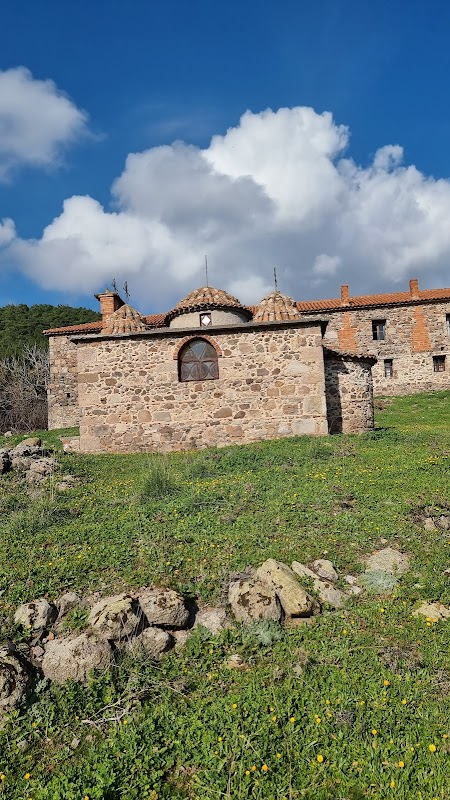
Scattered across the gentle hillsides near Agia Paraskevi, these ruins bear quiet witness to the layered human history of central Lesvos. The island has been continuously inhabited since at least the Bronze Age, and the agricultural heartland around the Kalloni Gulf — of which this area forms part — supported a dense network of settlements through the ancient Greek, Roman, Byzantine, and Genoese periods. Stone foundations, tumbled walls, and the occasional carved architectural fragment visible at sites like this one reflect centuries of building, abandonment, and rebuilding as the island passed through successive civilizations, each leaving its mark on the landscape before the next.
Visiting the ruins today offers a contemplative counterpoint to the bustling village life of nearby Agia Paraskevi. The stonework — rough-cut and fitted without mortar in places, more refined ashlar in others — hints at the different hands and eras that shaped the site over generations. Wild herbs push through the joints, and the surrounding olive groves, some of them ancient in their own right, lend the place a timeless atmosphere. For those with an eye for archaeology, careful observation may reveal repurposed ancient blocks incorporated into later walls, a common practice throughout the Aegean that speaks to both pragmatism and a deep continuity of habitation.
What makes ruins like these valuable on Lesvos is less any single dramatic monument than the cumulative sense they provide of a lived landscape. The island's interior is dotted with such remnants — medieval towers, Byzantine chapels built atop older foundations, the ghost outlines of vanished farmsteads — and exploring them alongside the thriving villages they once served gives travelers an unusually complete picture of how this corner of the eastern Aegean has sustained human life across the millennia.
Details
Categories
Make a day of it
Places worth combining with your visit